Viola inconspicua
Blume
Chinese violet
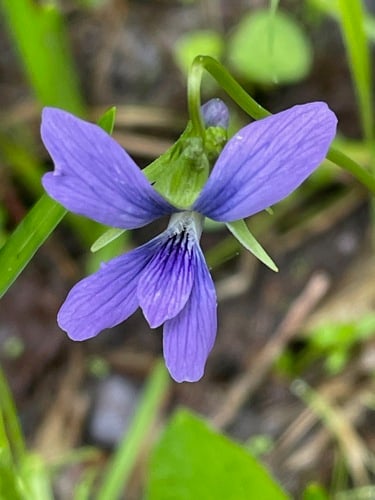
iNaturalist· cc-by-nc
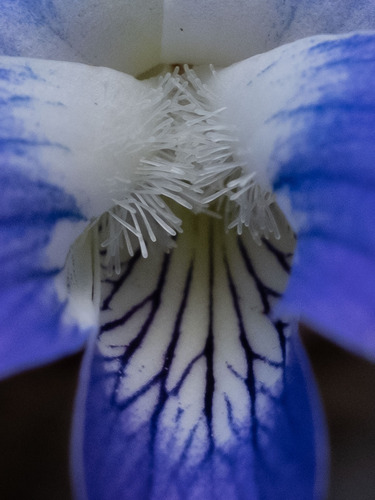
(c) Stargazer, some rights reserved (CC BY-NC)
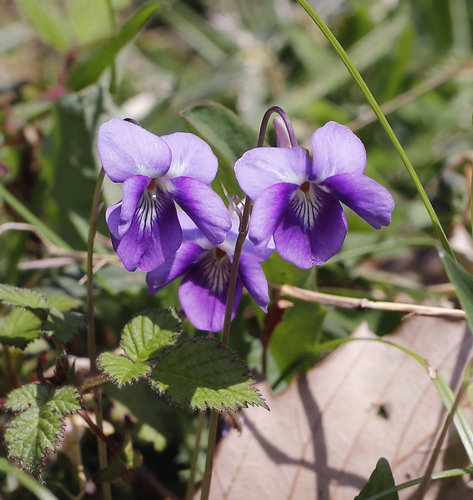
iNaturalist· cc-by-nc
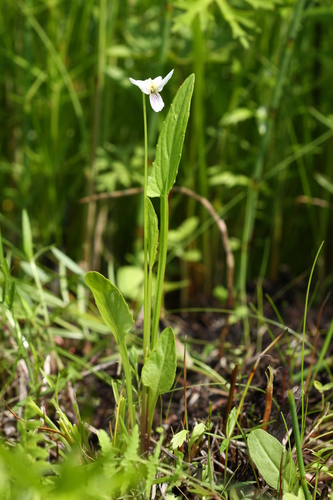
(c) 鐦鍆錒(锎钔锕), some rights reserved (CC BY-NC)
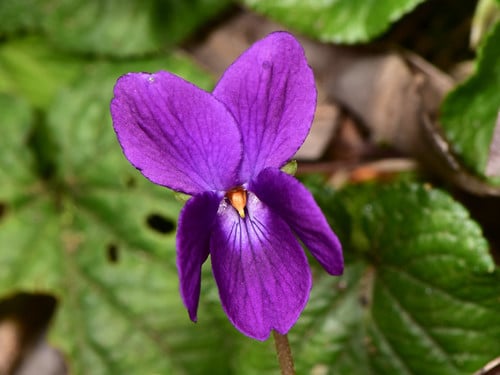
iNaturalist· cc-by-nc
(c) 鐦鍆錒(锎钔锕), some rights reserved (CC BY-NC)
Description
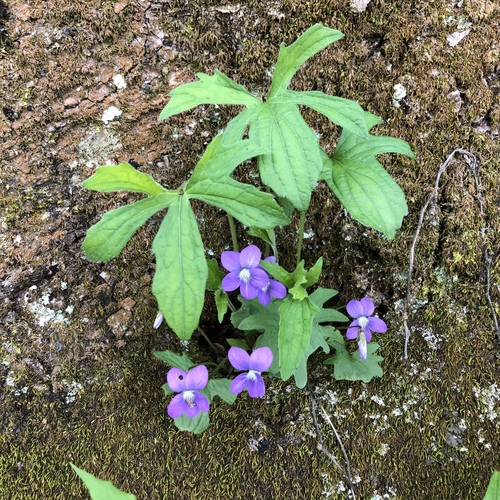
A herb without a stem. It keeps growing from year to year. It grows 6-10 cm high. The rootstock are buried deeply in the soil. Leaves and flowers emerge in the spring. The leaves come from the base from the roots. The leaves are oval or triangle shaped. They vary in shape or size. The flowers are purple. The flowers are fertilised before the flower opens. They do not have a smell. The fruit are oval capsules.
Edible Uses
The young leaves are eaten raw or brewed as tea. It is sold in local markets in China and has historically been used as a famine food.
Traditional Uses
The young leaves are eaten.
This uses section is brief — help expand it
Distribution
A tropical plant. It grows in grassland and the edges of forests in China below 1,600 m above sea level. In Sichuan and Yunnan.
Where It Grows
Asia, China, India, Indochina, Indonesia, Japan, Malaysia, Myanmar, Papua New Guinea, PNG, Philippines, SE Asia, Taiwan, Vietnam,
Other Information
It is a famine food. It is sold in local markets in China.
Notes
There are about 500 Viola species.
Nutrition
| Part | Moisture | kJ | kcal | Protein | Vit A | Vit C | Iron | Zinc |
|---|---|---|---|---|---|---|---|---|
| Leaves | 88 | 164 | 39 | 2.4 | — | 31 | — | — |
Synonyms
Also Known As
Hoa-tim an, Li tou cao, Tsingimba
References (6)
- Catalogus 57. 1823
- Hu, Shiu-ying, 2005, Food Plants of China. The Chinese University Press. p 562 (As Viola chinensis)
- Li, D. et al, 2017, Ethnobotanical survey of herbal tea plants from the traditional markets in Chaoshan, China. Journal of Ethnopharmacology. 205 (2017) 195-206
- Plants of Papua New Guinea LAE herbarium record (As Viola betonicifolia subsp. novaguineensis)
- Mot So Rau Dai an Duoc O Vietnam. Wild edible Vegetables. Ha Noi 1994, p 142
Show all 6 references Hide references
- Pham-Hoang Ho, 1999, An Illustrated Flora of Vietnam. Nha Xuat Ban Tre. p 550