Veronica anagallis-aquatica
L.
Field speedwell, Water speedwell
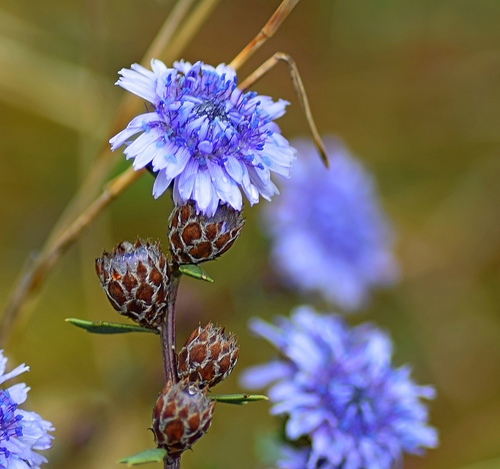
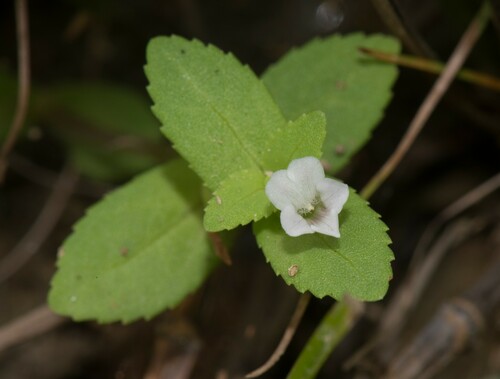
iNaturalist· cc-by-nc-nd
(c) eyeweed, some rights reserved (CC BY-NC-ND)
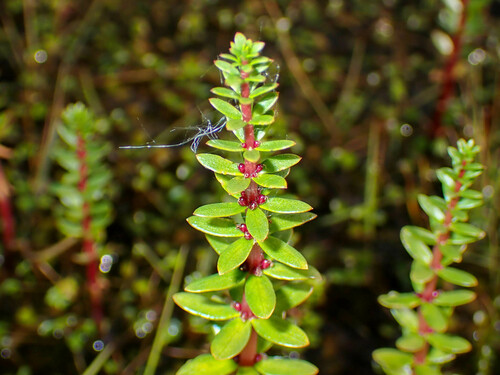
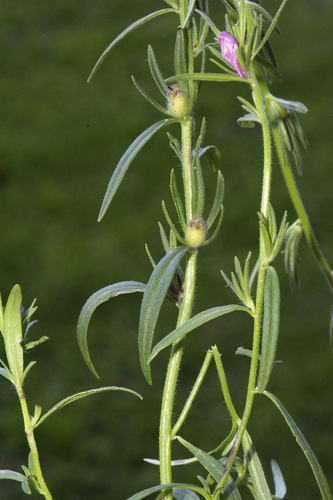
iNaturalist· cc-by-nc
(c) Vik Dunis, some rights reserved (CC BY-NC)
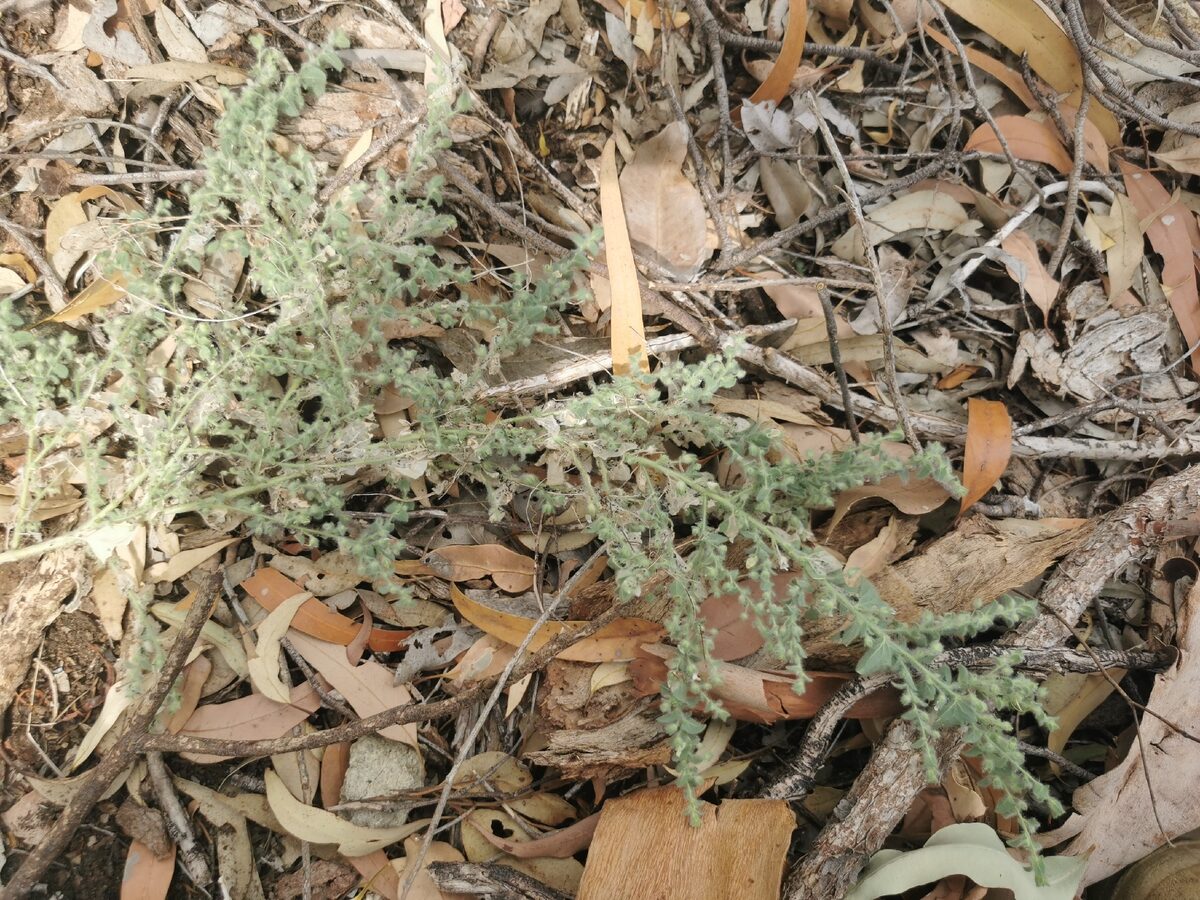
iNaturalist· cc-by-nc
(c) Vik Dunis, some rights reserved (CC BY-NC)
Summary
Source: WikipediaVeronica anagallis-aquatica is a species of flowering plant in the family Plantaginaceae known by the common names water speedwell, blue water-speedwell, and brook pimpernel.
Description
A short lived herb. It can be erect or lie along the ground. It grows about 50 -150 cm high. The stems are often creeping and rooting from the lower nodes. The leaves do not have leaf stalks. Leaves are 5-15 cm long and 1-2 cm wide. They are narrow and oblong and can have teeth. The flowers are white or pinkish. They occur in lax, slender clusters. The number of clusters and flowers can vary greatly. The fruit is a capsule. It is compressed. It is 2-3.5 cm long. There are many seeds.
Edible Uses
Leaves can be eaten raw or cooked and are rich in vitamin C. Their subtle flavour suits salads — where they pair better with a lemon dressing than vinegar — or they can be used as a potherb. The leaves are often available through winter.
Traditional Uses
The seeds are pickled. The young stems are used as a vegetable. The leaves are used in salads and also cooked.
This uses section is brief — help expand it
Medicinal Uses
The root and leaves are alterative, appetizing, and diuretic. Leaves are used to treat scurvy and impurity of the blood. Externally, the bruised plant is applied as a poultice to burns, ulcers, and whitlows.
Distribution
A temperate plant. In Nepal plants grow between 500-3500 m altitude. It grows in still or slow flowing water up to about 1 m deep. It can also grow along banks. In north China it grows near swamps below 4,000 m above sea level. It grows in wetlands. In Argentina it grows from sea level to 2,500 m above sea level. In Sichuan and Yunnan.
Where It Grows
Africa, Argentina, Asia, Australia, Bhutan, Britain, Central Asia, Chile, China, Eswatini, Europe, France, Greece, Himalayas, India, Iraq, Italy, Japan, Jordan, Kazakhstan, Korea, Kyrgyzstan, Luxembourg, Mediterranean, Middle East, Mongolia, Morocco, Nepal, North Africa, North America, Pakistan, Portugal, Russia, Sicily, South Africa, Southern Africa, South America*, Swaziland, Spain, St Helena, Tajikistan, Tasmania, Tibet, Tunisia, Turkey, Türkiye, Turkmenistan, Uruguay, USA, Uzbekistan,
Cultivation
Plants are grown from seed. They can also be grown from cuttings. These need to be put into shallowly flooded soil.
Propagation
Sow seed in autumn in a cold frame, or directly in situ in autumn or spring if seed is plentiful. Prick seedlings into individual pots when large enough and plant out in summer. Divide in autumn or spring — large divisions can go directly into permanent positions, while smaller ones do best potted up and grown on in light shade until established, then planted out in summer or the following spring. Cuttings of young shoots root easily during the growing season — simply place them in water.
Other Uses
None known.
Production
The 4-6 top leaves are picked off.
Other Information
It is sold in local markets in China.
Notes
There are about 250 Veronica species. Also put in the family Scrophulariaceae.
Synonyms
Also Known As
Agraman, Astillejos, Berro, Blue water speedwell, Bong ga neng bong, Crisciuneddu, Dhapre jhar, Erva di tracina, Frailes, Giyahanaroka, Hazar dani, Nomeolvides del campo, Obo saba, Sugedemesi, Titlokia, Veronica, Water speedwell
References (30)
- Ambasta, S.P. (Ed.), 2000, The Useful Plants of India. CSIR India. p 672
- Arora, R. K., 2014, Diversity in Underutilized Plant Species - An Asia-Pacific Perspective. Bioversity International. p 46
- Bianchini, F., Corbetta, F., and Pistoia, M., 1975, Fruits of the Earth. Cassell. p 52
- Blamey, M and Grey-Wilson, C., 2005, Wild flowers of the Mediterranean. A & C Black London. p 414
- Blanco-Salas, J., et al, 2019, Wild Plants Potentially Used in Human Food in the Protected Area “Sierra Grande de Hornachos” of Extremadura (Spain). Sustainability 2019, 11, 456
Show all 30 references Hide references
- Cordero, S. E., Abello, L. A., & Galvez, F. L., 2017, Plantas silvestres comestibles y medicinales de Chile y otras partes del mundo. CORMA p 256
- Dhyani, S.K., & Sharma, R.V., 1987, Exploration of Socio-economic plant resources of Vyasi Valley in Tehri Garwhal. J. Econ. Tax. Bot. Vol. 9 No. 2 pp 299-310
- Ertug, F., 2000, An Ethnobotanical Study in Central Anatolia (Turkey). Economic Botany Vol. 54. No. 2. pp. 155-182
- Ertug, F, Yenen Bitkiler. Resimli Türkiye Florası -I- Flora of Turkey - Ethnobotany supplement
- Galalaey, A. M. K., et al, 2021, Ethnobotanical study of some wild edible plants in Hujran Basin, Kurdistan Region of Iraq. ZANCO Journal of Pure and Applied Sciences. Salahaddin University-Erbil p 27
- Geraci, A., et al, 2018, The wild taxa utilized as vegetables in Sicily (Italy): a traditional component of the Mediterranean diet. Journal of Ethnobiology and Ethnomedicine (2018) 14:14
- https://www.fireflyforest.com/flowers/category/edible-plants/ Edible Plants – Southeastern Arizona Wildflowers and Plants
- Kermath, B. M., et al, 2014, Food Plants in the Americas: A survey of the domesticated, cultivated and wild plants used for Human food in North, Central and South America and the Caribbean. On line draft. p 905
- Lentini, F. and Venza, F., 2007, Wild food plants of popular use in Sicily. J Ethnobiol Ethnomedicine. 3: 15
- Li, F., et al, 2015, Ethnobotanical study on wild plants used by Lhoba people in Milin County, Tibet. Journal of Ethnobiology and Ethnomedicine, 11:23
- Majeed, M., et al, 2021, Gathered Wild Food Plants among Diverse Religious Groups in Jhelum District, Punjab, Pakistan. Foods 2021, 10, 594.
- Manandhar, N.P., 2002, Plants and People of Nepal. Timber Press. Portland, Oregon. p 473
- Nassif, F., & Tanji, A., 2013, Gathered food plants in Morocco: The long forgotten species in Ethnobotanical Research. Life Science Leaflets 3:17-54
- Oran, S. A. S., 2015, Selected Wild Aromatic Plants in Jordan. International Journal of Medicinal Plants. Photon 108 (2015) 686-699
- Pasta, S., et al, 2020, An Updated Checklist of the Sicilian Native Edible Plants: Preserving the Traditional Ecological Knowledge of Century-Old Agro-Pastoral Landscapes. Frontiers in Plant Science. Volume 11|Article 388
- Plants for a Future database, The Field, Penpol, Lostwithiel, Cornwall, PL22 0NG, UK. http://www.scs.leeds.ac.uk/pfaf/
- Rivera, C., et al, 2005, The Ethnobotanical Study of Local Mediterranean Food Plants as Medicinal Resources in Southern Spain. Journal of Physiologyand Pharmacology. 56, Suppl. 1, 97-114
- Romanowski, N., 2007, Edible Water Gardens. Hyland House. p 116
- Sainty, G.R. & Jacobs, S.W.L., 1981, Waterplants of New South Wales. Water Resources Commission. NSW p 413
- Sp. pl. 1:12. 1753 "anagallis D"
- Swaziland's Flora Database http://www.sntc.org.sz/flora
- Tardio, J., et al, Ethnobotanical review of wild edible plants in Spain. Botanical J. Linnean Soc. 152 (2006), 27-71
- Urgamal, M., Oyuntsetseg, B., Nyambayar, D. & Dulamsuren, Ch. 2014. Conspectus of the vascular plants of Mongolia. (Editors: Sanchir, Ch. & Jamsran, Ts.). Ulaanbaatar, Mongolia. “Admon“ Press. 334pp. (p. 79-90).
- World Checklist of Useful Plant Species 2020. Royal Botanic Gardens, Kew
- Zhang, Y., et al, 2014, Diversity of wetland plants used traditionally in China: a literature review. Journal of Ethnobiology and Ethnomedicine. 10:72