Vaccaria hispanica
(Mill.) Rauschert
Cow cockle, Forbidden Palace Flower, Cow basil
iNaturalist· cc-by-nc
(c) pitturpattur, some rights reserved (CC BY-NC)
iNaturalist· cc-by-nc
(c) pitturpattur, some rights reserved (CC BY-NC)
iNaturalist· cc-by-nc
(c) cazuarius, some rights reserved (CC BY-NC)
Summary
Source: WikipediaAn annual herb reaching 60cm tall that flowers from July to August with seeds ripening August through September. The plant is hermaphroditic and self-fertile, pollinated by moths and butterflies. It tolerates light sandy, medium loamy, and heavy clay soils provided they are well-drained, and grows across mildly acid to mildly alkaline pH ranges. Requires full sun and prefers moist soil.
Description
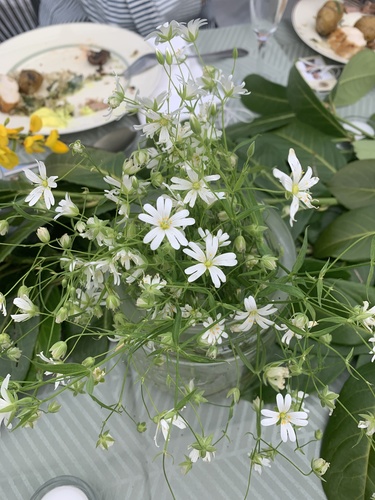
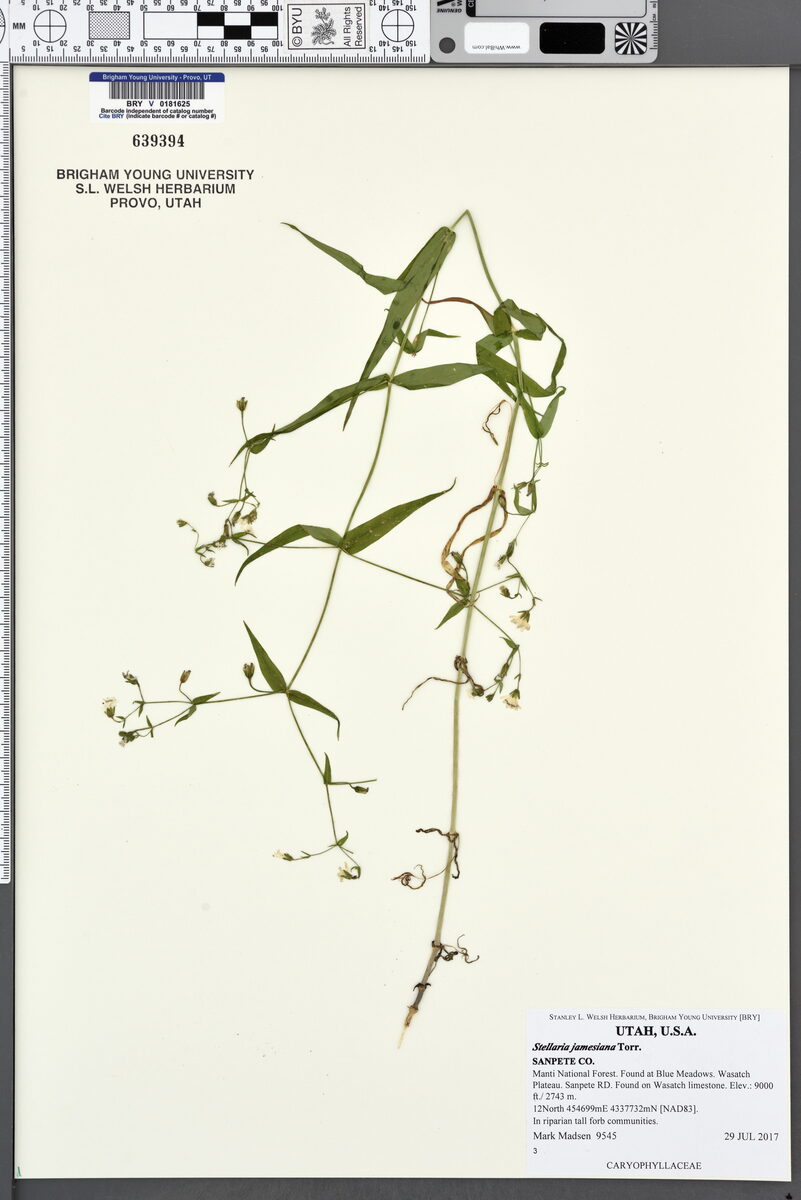
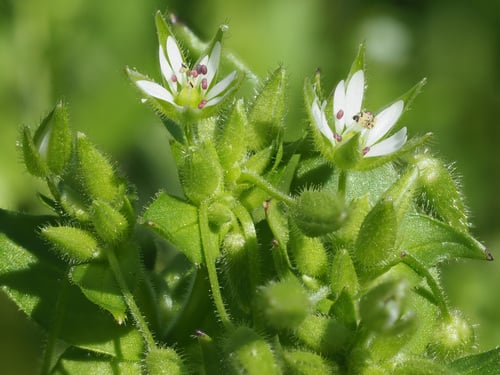
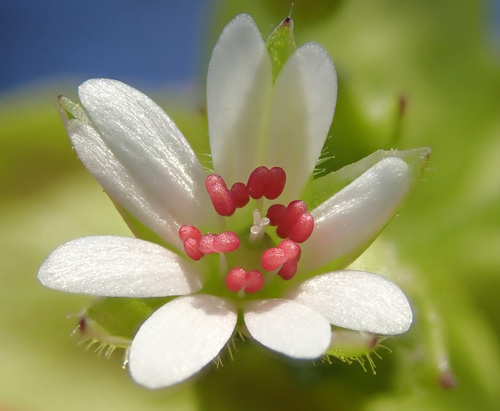
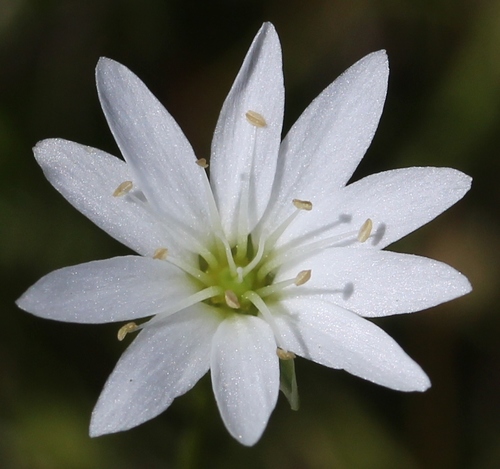
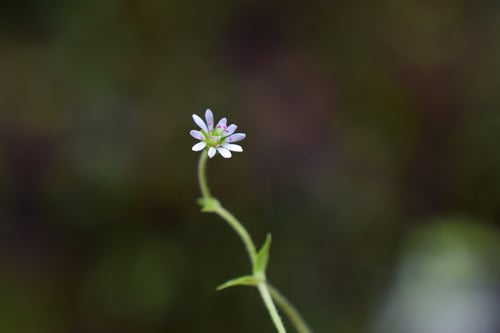
A erect annual herb. It is hairless. The leaves are bluish green. They are oval or sword shaped and do not have teeth. The flowers are pink to dark purple. They are 8-16 mm across. They have long stalks. The fruit is a capsule 15 mm long. There are 15-20 seeds.
Edible Uses
Leaves are used as a condiment. The seed is ground into a meal and is rich in starch, containing 13.8–16.1% protein and 1.6–3.2% fat. Note that the seed also contains saponins. Nutritional data per 100g dry weight: Protein 15g, Fat 2.5g.
Traditional Uses
The leaves and young stems are used in stews.
This uses section is brief — help expand it
Medicinal Uses
The seed is anodyne, discutient, diuretic, emmenagogue, galactogogue, styptic, and vulnerary. A decoction is used to treat skin problems, breast tumours, menstrual problems, deficiency of lactation, and sluggish labour. The seeds are also taken internally as a galactogogue. The flowers, leaves, roots, and shoots share the same properties. The plant's sap is considered febrifuge and tonic, used for treating long-continued fevers of a low type. The plant is used externally to treat itch.
Distribution
It is a temperate plant. It grows on waste land and other cultivated land. Tasmania Herbarium.
Where It Grows
Africa, Argentina, Asia, Australia, Belgium, Brazil, Britain, Canada, China, East Africa, Ethiopia, Europe*, Hawaii, India, Korea, Luxembourg, Mediterranean, New Zealand, North America, Pacific, Pakistan, Saudi Arabia, Slovenia, South America, Spain, Tasmania, Turkey, Türkiye, Uruguay, USA,
Propagation
Seed - sow in April in situ.
Other Uses
None known.
Notes
There are 4 Vaccaria species. The seeds are used in medicine.
Synonyms
Also Known As
Colleja borde, Collejon, Drobnocvetna kravsa, Mai lan cai, Nilkle dika, Resresik, Vacaria, Ye-behar kimem
References (16)
- Al-Sodany, Y. M., et al, 2013, Medicinal Plants in Saudi Arabia: I. Sarrwat Mountains at Taif, KSA. Academic Journal of Plant Sciences 6 (4): 134-145 (As Vaccaria pyramidata)
- Asfaw, Z. and Tadesse, M., 2001, Prospects for Sustainable Use and Development of Wild Food Plants in Ethiopia. Economic Botany, Vol. 55, No. 1, pp. 47-62 (As Vaccaria pyramidata)
- Blamey, M and Grey-Wilson, C., 2005, Wild flowers of the Mediterranean. A & C Black London. p 47
- Bremness, L., 1994, Herbs. Collins Eyewitness Handbooks. Harper Collins. p 275
- Demir, I. & Ayaz, N., 2022, Wild edible plants contributing to the traditional foods of Mardin (Turkey) Province. Indian Journal of Traditional Knowledge Vol 21(3), July 2022, pp 569-582
Show all 16 references Hide references
- Flora of Pakistan. www.eFlora.org
- http://www.botanic-gardens-ljubljana.com/en/plants
- Hussey, B.M.J., Keighery, G.J., Cousens, R.D., Dodd, J., Lloyd, S.G., 1997, Western Weeds. A guide to the weeds of Western Australia. Plant Protection Society of Western Australia. p 132
- Lu Dequan, Wu Zhengyi, Zhou Lihua, Chen Shilong; Michael G. Gilbert, Magnus Lidén, John McNeill, John K. Morton, Bengt Oxelman, Richard K. Rabeler, Mats Thulin, Nicholas J. Turland, Warren L. Wagner, CARYOPHYLLACEAE, Flora of China.
- Malezas Comestibles del Cono Sur, INTA, 2009, Buernos Aires (As Vaccaria pyramidata)
- Paczkowska, G. & Chapman, A.R., 2000, The Western Australian Flora. A Descriptive Catalogue. Western Australian Herbarium. p 197
- Plants for a Future database, The Field, Penpol, Lostwithiel, Cornwall, PL22 0NG, UK. http://www.scs.leeds.ac.uk/pfaf/
- Tasmanian Herbarium Vascular Plants list p 21
- Tardio, J., et al, Ethnobotanical review of wild edible plants in Spain. Botanical J. Linnean Soc. 152 (2006), 27-71
- Wiss. Z. Martin-Luther-Univ. Halle-Wittenberg, Math.-Naturwiss. Reihe 14:496. 1965
- World Checklist of Useful Plant Species 2020. Royal Botanic Gardens, Kew (As Gypsophila vaccaria)