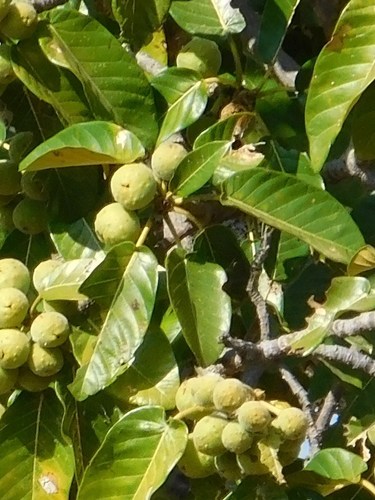
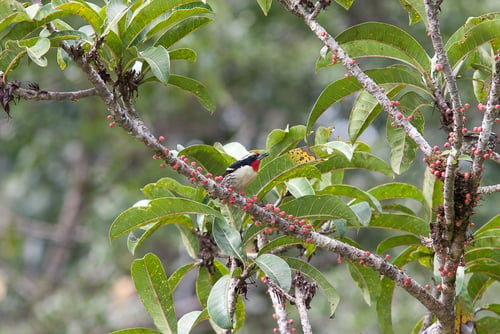
Artocarpus blancoi
(Elmer) Merr.
Kalo, Kolo, Antipolo
iNaturalist· cc-by
(c) Greg III Espera, some rights reserved (CC BY), uploaded by Greg III Espera
iNaturalist· cc-by-nc
(c) Carlos G Velazco-Macias, some rights reserved (CC BY-NC)
Summary
Source: WikipediaArtocarpus blancoi is a species of large tree in the family Moraceae endemic to the Philippines. Its habitat (among seasonal forest or thicket growth in low-lying areas) is threatened. It is locally known as tipolo, tipulo, or atipolo in Tagalog and the Visayan languages (Philippine Spanish: antipolo). Paper production and being a shade provider are its primary uses, although its seeds and fruits are edible and used in the same way as its close relatives, the breadfruit and the seeded breadfruit. The City of Antipolo got its name from the said tree.
Description
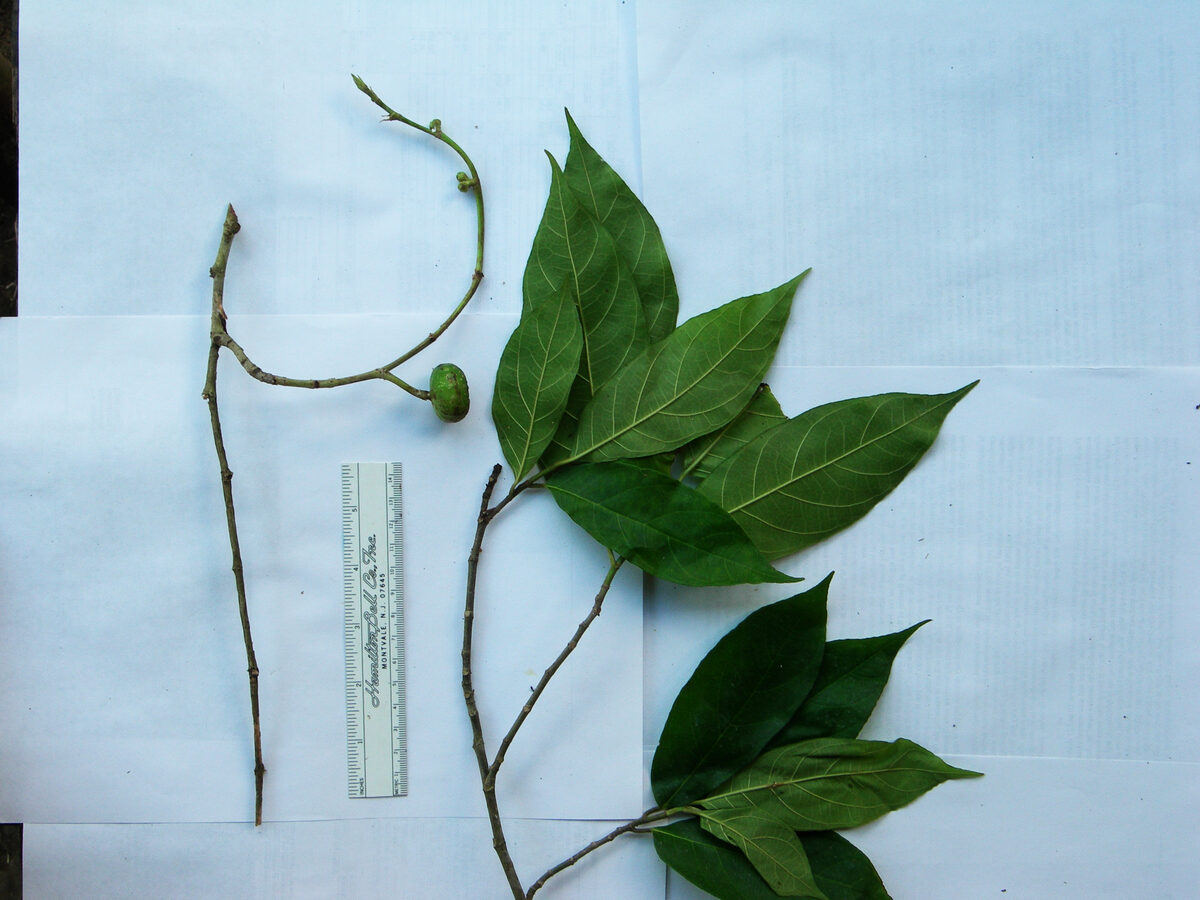
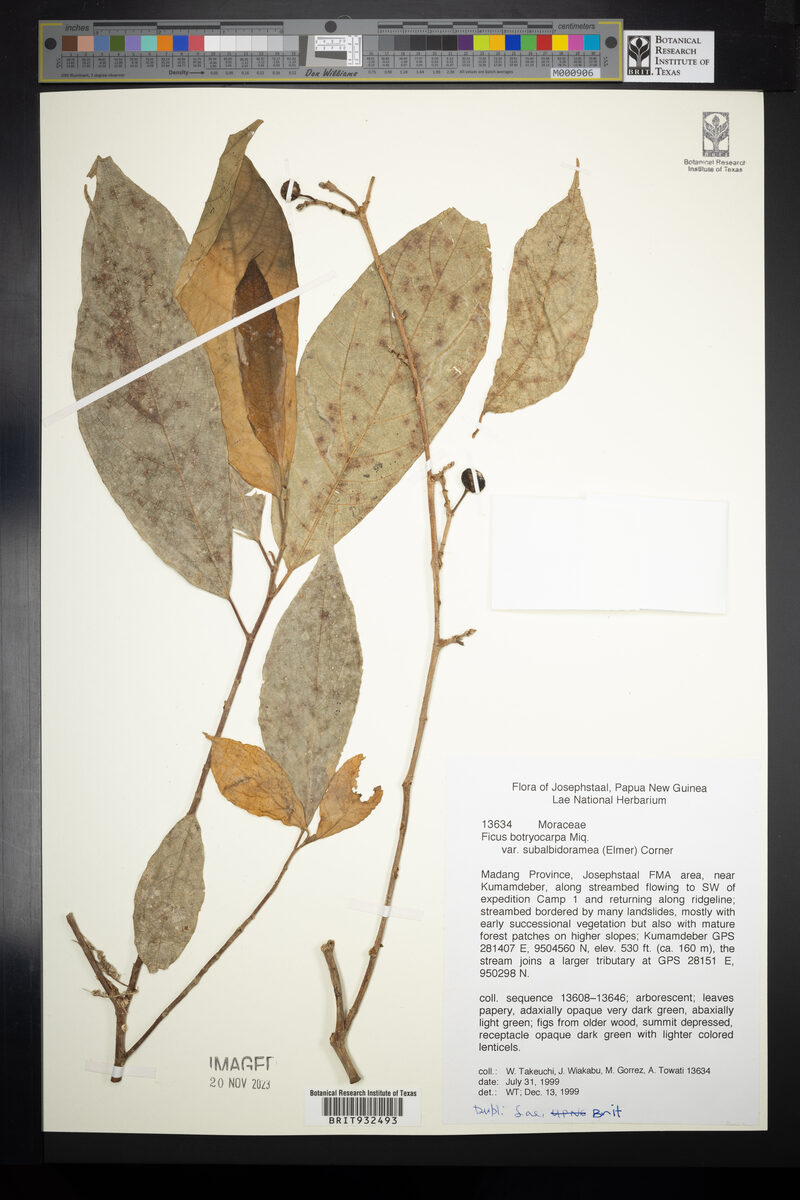
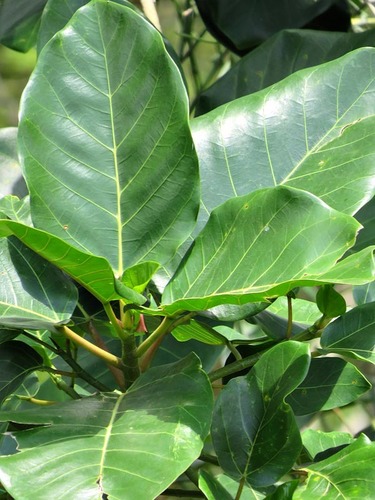
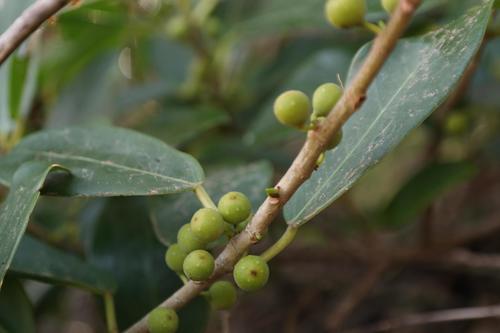
A large tree with a trunk 90 cm across. The bark secretes a milky sap. The leaves are very large and have a series of leaflets on each side of a common stalk. The fruit are rounded and very rough.
Edible Uses
The fruit and seeds are cooked and eaten.
Traditional Uses
The fruit and seeds are cooked and eaten.
This uses section is brief — help expand it
Medicinal Uses
A decoction of two parts of the bark of this tree, combined with one part of the roots of Fleurya interrupta, is given in the treatment of strangularia (hernia).
Distribution
A tropical plant. Common and widely distributed in forest at low and medium altitudes from northern Luzon to Palawan and Mindanao of the Philippines.
Where It Grows
Asia, Pacific, Philippines, SE Asia,
Cultivation
A plant of the moist lowland tropics. It grows in areas where the mean annual rainfall is at least 2,000mm with a distinct dry season.
Notes
There are about 50 Artocarpus species. They are in the tropics and subtropics of Asia and the Pacific.
Synonyms
References (6)
- Alegado, A. M. & De Guzman, R. B., 2014, Indigenous food crops of the Aetas tribe in the Philippines and their traditional methods of food preparation. in Promotion of Underutilized Indigenous Food Resources for Food Security and Nutrition in Asia and Pacific. FAO. Bangkok p 160
- Altschul, S.V.R., 1973, Drugs and Foods from Little-known Plants. Notes in Harvard University Herbaria. Harvard Univ. Press. Massachusetts. no. 696
- Barrau, J., 1976, Subsistence Agriculture in Polynesia and Micronesia. Bernice P. Bishop Museu, Bulletin 223 Honolulu Hawaii. Kraus reprint. p 51
- Carig, Elizabeth T. 2020, Guidebook on Native Trees within the Quirino Forest Landscape. Plaridel, Bulacan, St. Andrew Publishing House. p 22
- Enum. Pl. Philipp. 2:40. 1923
Show all 6 references Hide references
- Monsalud, M.R., Tongacan, A.L., Lopez, F.R., & Lagrimas, M.Q., 1966, Edible Wild Plants in Philippine Forests. Philippine Journal of Science. p 497