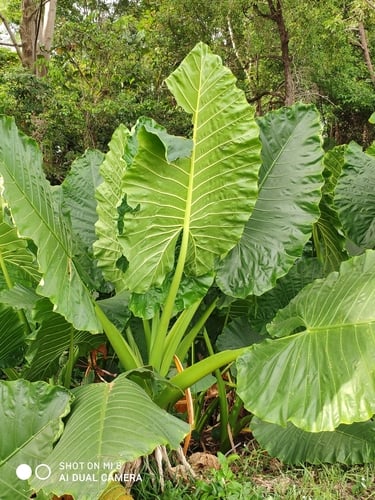
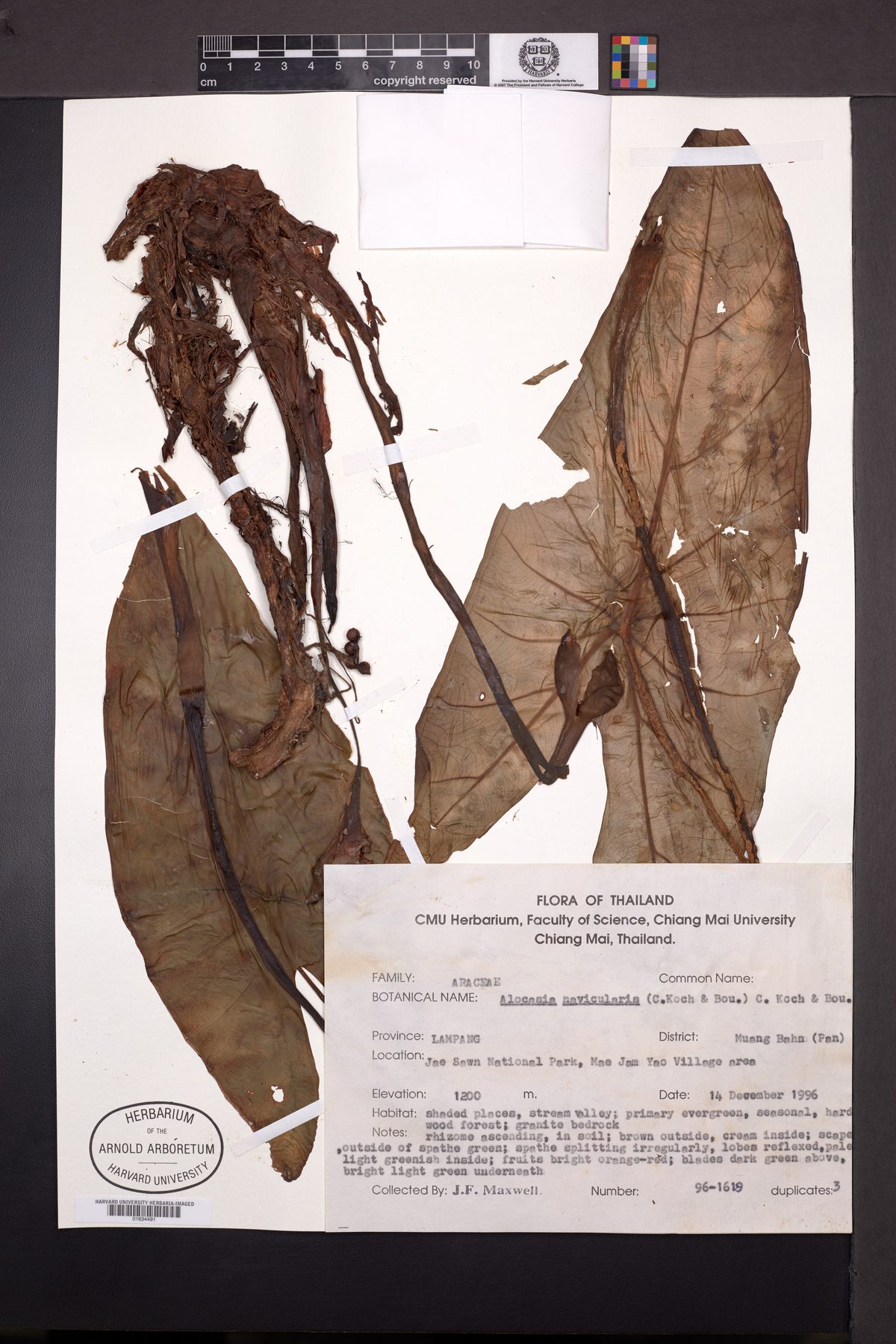
Typhonium angustilobum
F. Muell.
Fire Lily, Black Arum
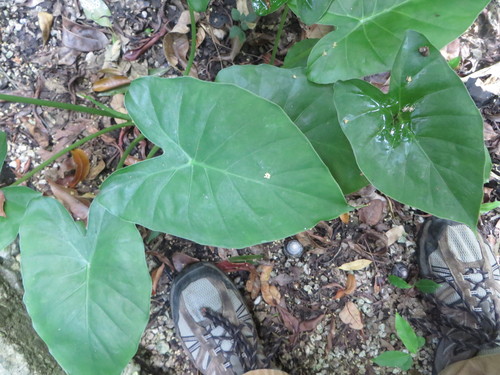
iNaturalist· cc-by
(c) sunoochi, some rights reserved (CC BY)
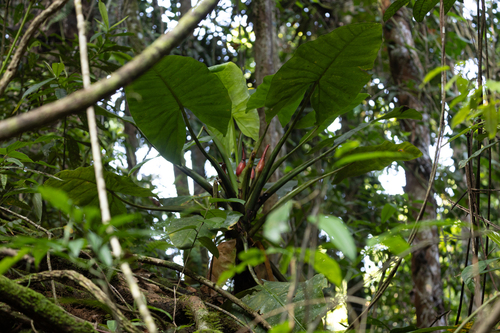
iNaturalist· cc-by-nc-sa
(c) Juan José Sánchez, some rights reserved (CC BY-NC-SA)
iNaturalist· cc-by-nc
(c) martina_poeltl, some rights reserved (CC BY-NC), uploaded by martina_poeltl
gbif· cc0
President and Fellows of Harvard College
gbif· cc0
President and Fellows of Harvard College
Description
An annual herb. It has an underground tuber from which it re-grows each year. The tuber is round and flattened. The leaf is shaped like a duck's foot.
Edible Uses
Root - cooked. A rich source of starch but, unless it is very thoroughly cooked to destroy the toxins, it can cause severe discomfort in the mouth and digestive tract. Traditionally, the Aborigines would bake it and pound it several times before eating it.
Traditional Uses
The tuber is dug up and crushed and roasted.
This uses section is brief — help expand it
Known Hazards
All parts of the plant contain calcium oxalate crystals. This substance is toxic fresh and, if eaten, makes the mouth, tongue and throat feel as if hundreds of small needles are digging in to them. However, calcium oxalate is easily broken down either by thoroughly cooking the plant or by fully drying it and, in either of these states, it is safe to eat the plant. People with a tendency to rheumatism, arthritis, gout, kidney stones and hyperacidity should take especial caution if including this plant in their diet.
Distribution
A tropical plant. It grows seasonally in swamps and open woodlands.
Where It Grows
Australia*,
Cultivation
The flowering plant has a strong, unpleasant smell reminiscent of faeces.
Propagation
Seed - Division of offsets in the dormant season
Notes
There are about 50 Typhonium species.
Nutrition
| Part | Moisture | kJ | kcal | Protein | Vit A | Vit C | Iron | Zinc |
|---|---|---|---|---|---|---|---|---|
| Root | 61.4 | 581 | 139 | 1.4 | — | — | 14.5 | 1.8 |
References (9)
- Checklist of NT Vascular Plant Species. January 2003.
- Cherikoff V. & Isaacs, J., The Bush Food Handbook. How to gather, grow, process and cook Australian Wild Foods. Ti Tree Press, Australia p 201
- Cribb, A.B. & J.W., 1976, Wild Food in Australia, Fontana. p 156
- Jackes, B.R., 2001, Plants of the Tropics. Rainforest to Heath. An Identification Guide. James Cook University. p 41
- Jones D, L, 1986, Ornamental Rainforest Plants in Australia, Reed Books, p 258
Show all 9 references Hide references
- Lim, T. K., 2015, Edible Medicinal and Non Medicinal Plants. Volume 9, Modified Stems, Roots, Bulbs. Springer p 84
- Scarth-Johnson, V., 2000, National Treasures. Flowering Plants of Cooktown and Northern Australia. Vera Scarth-Johnson Gallery Association. Cooktown, Australia. p 179
- Smith, N. M., 1991, Ethnobotanical Field Notes from the Northern Territory, Australia, J. Adelaide Bot. Gard. 14(1): 1-65
- Wheeler, J.R.(ed.), 1992, Flora of the Kimberley Region. CALM, Western Australian Herbarium, p 982