Artemisia scoparia
Waldst. & Kit.
Scoparia Wormwood, Redstem wormwood
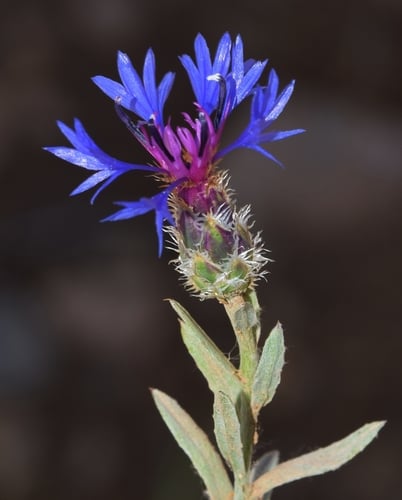
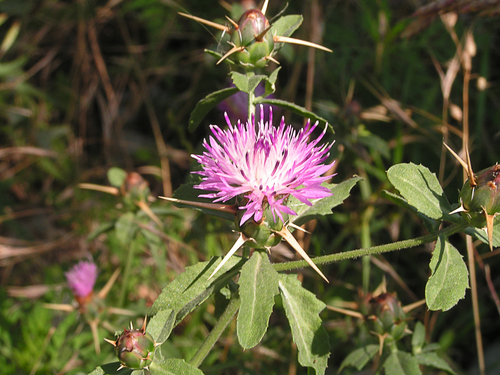
iNaturalist· cc-by-nc
(c) tsengell, some rights reserved (CC BY-NC)
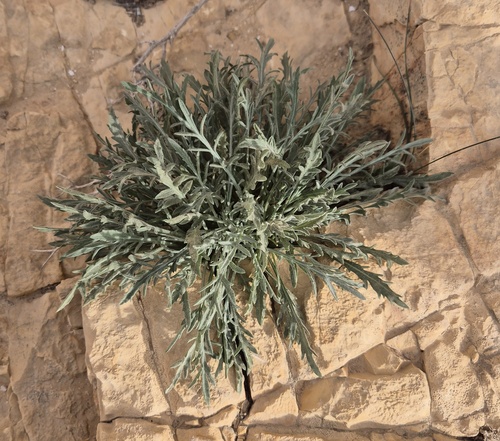
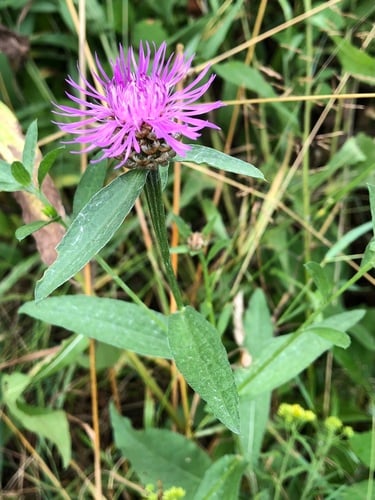
iNaturalist· cc-by-nc
(c) Екатерина, some rights reserved (CC BY-NC), uploaded by Екатерина
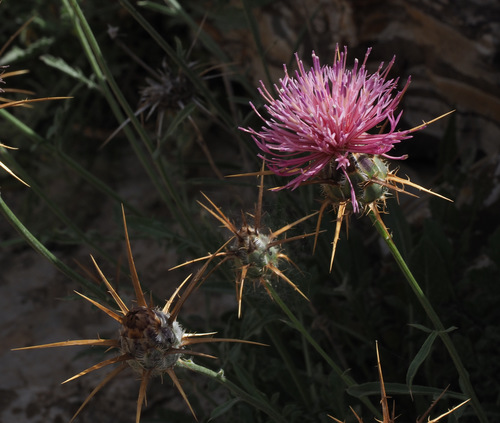
iNaturalist· cc-by-nc
(c) Václav Dvořák, some rights reserved (CC BY-NC)
Summary
Source: WikipediaArtemisia scoparia is a Eurasian species in the genus Artemisia, in the sunflower family. It is widespread across much of Eurasia from France to Japan, including China, India, Russia, Germany, Poland, central + southwest Asia, etc. The English common name of Artemisia scoparia is virgate wormwood, capillary wormwood, or redstem wormwood. In Mandarin Chinese it is known as yīn chén (Traditional: 茵陳) and it is an important traditional Chinese medicine, and is considered interchangeable with Artemisia capillaris for that purpose. Its pollen can be allergenic.
Description
A herb. A plant which grows over two years. It has a woody base and several branches. It grows 40-80 cm high. The lower leaves are 4-7 cm long by 3-5 cm wide. They are divided into narrow segments.
Edible Uses
Edible Parts: Leaves Edible Uses: Young leaves - cooked.
Traditional Uses
The young leaves are used cooked. The seeds, flowers and leaves are used as a spice or flavouring.
This uses section is brief — help expand it
Medicinal Uses
Antibacterial Anticholesterolemic Antipyretic Antiseptic Cholagogue Diuretic Vasodilator The plant is anticholesterolemic, antipyretic, antiseptic, cholagogue, diuretic and vasodilator. It has an antibacterial action, inhibiting the growth of Staphylococcus aureus, streptococci, Bacillus dysenteriae, B. typhi, B. subtilis, Pneumococci, C. diphtheriae, mycobacterium etc. It is used in the treatment of jaundice, hepatitis and inflammation of the gall bladder. The plant is also used in a mixture with other herbs as a cholagogue.
Known Hazards
Although no reports of toxicity have been seen for this species, skin contact with some members of this genus can cause dermatitis or other allergic reactions in some people.
Distribution
It is a temperate plant. It does best in a neutral soil in a warm sunny position. They do well in poor dry soil. Once the plants are established they are drought tolerant. In Sichuan and Yunnan.
Where It Grows
Afghanistan, Albania, Armenia, Asia, Austria, Azerbaijan, Balkans, Belarus, Bulgaria, Caucasus, Central Asia, China, Czech, Estonia, Europe, Georgia, Germany, Himalayas, Hungary, India, Iran, Iraq, Japan, Kazakhstan, Korea, Kyrgyzstan, Latvia, Lebanon, Lithuania, Mediterranean, Middle East, Moldova, Mongolia, Myanmar, Nepal, Pakistan, Poland, Romania, Russia, Saudi Arabia, SE Asia, Siberia, Singapore, Slovakia, Syria, Tajikistan, Tibet, Turkey, Türkiye, Turkmenistan, Uzbekistan, Ukraine, Yugoslavia,
Cultivation
Easily grown in a well-drained circumneutral or slightly alkaline loamy soil, preferring a warm sunny dry position. Established plants are drought tolerant. Plants are longer lived, more hardy and more aromatic when they are grown in a poor dry soil. Members of this genus are rarely if ever troubled by browsing deer.
Propagation
Seed - sow late spring in a cold frame. When large enough to handle, prick the seedlings out into individual pots and plant them out in the summer.
Other Uses
Essential The seed and flowering stems contain 0.75% essential oil. Special Uses Scented Plants
Notes
There are about 300 Artemisia species.
Synonyms
Also Known As
Chaau, Churisaroj, Dhauli, Dona, Yin-chen wormwood
References (9)
- Ambasta S.P. (Ed.), 2000, The Useful Plants of India. CSIR India. p 56
- Bhatia, H., et al, 2018, Traditionally used wild edible plants of district Udhampur, J&K, India. Journal of Ethnobiology and Ethnomedicine (2018) 14:73
- Descr. icon. pl. Hung. 1:66, t. 65. 1801
- Plants for a Future database, The Field, Penpol, Lostwithiel, Cornwall, PL22 0NG, UK. http://www.scs.leeds.ac.uk/pfaf/
- Salvi, J. et al, 2016, A review: Underutilized wild edible plants as a potential source of alternative nutrition. International Journal of Botany Studies. Volume 1; Issue 4; May 2016; Page No. 32-36
Show all 9 references Hide references
- Urgamal, M., Oyuntsetseg, B., Nyambayar, D. & Dulamsuren, Ch. 2014. Conspectus of the vascular plants of Mongolia. (Editors: Sanchir, Ch. & Jamsran, Ts.). Ulaanbaatar, Mongolia. “Admon“ Press. 334pp. (p. 199-230).
- USDA, ARS, National Genetic Resources Program. Germplasm Resources Information Network - (GRIN). [Online Database] National Germplasm Resources Laboratory, Beltsville, Maryland. Available: www.ars-grin.gov/cgi-bin/npgs/html/econ.pl (10 April 2000)
- Wiersema, J. H. & Leon, B., 2013, World Economic Plants. A Standard Reference CRC Press. 2nd Ed. p 73
- Youssef, R. S. A., 2013, Medicinal and non-medicinal uses of some plants found in the middle region of Saudi Arabia. Journal of Medicinal Plants Research. Vol. 7(34), pp. 2501-2517