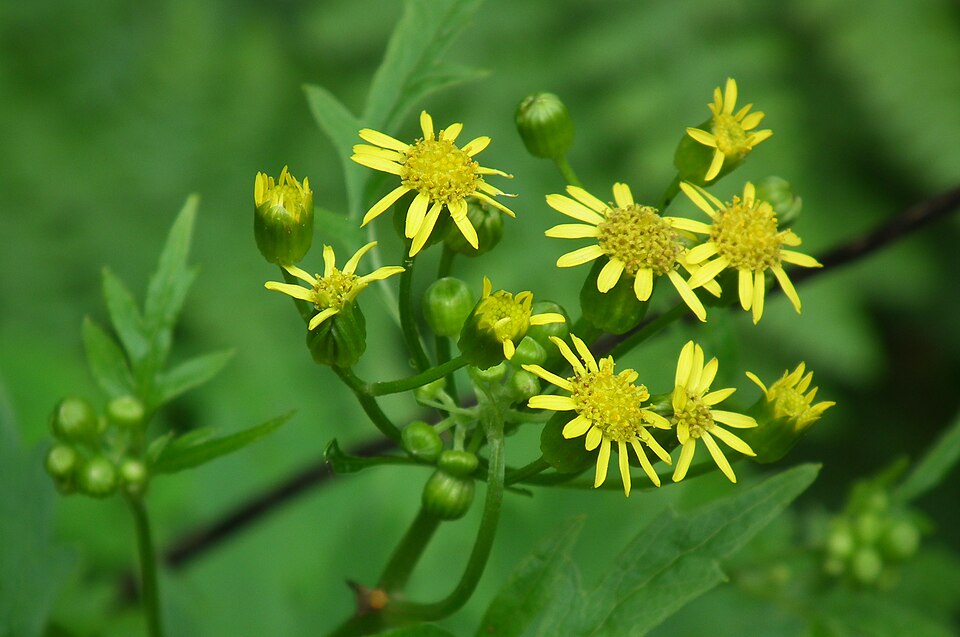
Artemisia dracunculoides
Pursh.
Russian tarragon, Sweet sage
iNaturalist· cc-by-nc
(c) Svetlana Kushkova, some rights reserved (CC BY-NC)
iNaturalist· cc-by-nc
(c) Svetlana Kushkova, some rights reserved (CC BY-NC)
iNaturalist· cc-by-nc
(c) Svetlana Kushkova, some rights reserved (CC BY-NC)
Summary
Source: WikipediaA perennial reaching 1 m tall and 0.5 m wide with medium growth rate. Flowers in September. Wind-pollinated, hermaphroditic, and self-fertile. Noted for attracting wildlife. Prefers light sandy and medium loamy well-drained soils with mildly acid to mildly alkaline pH. Grows in full sun or semi-shade, tolerates drought and both dry and moist soils. Hardy to UK zone 3.
Description
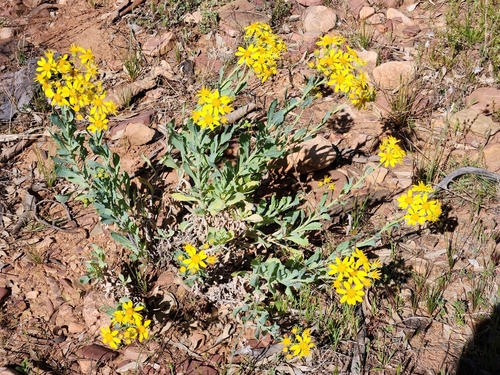
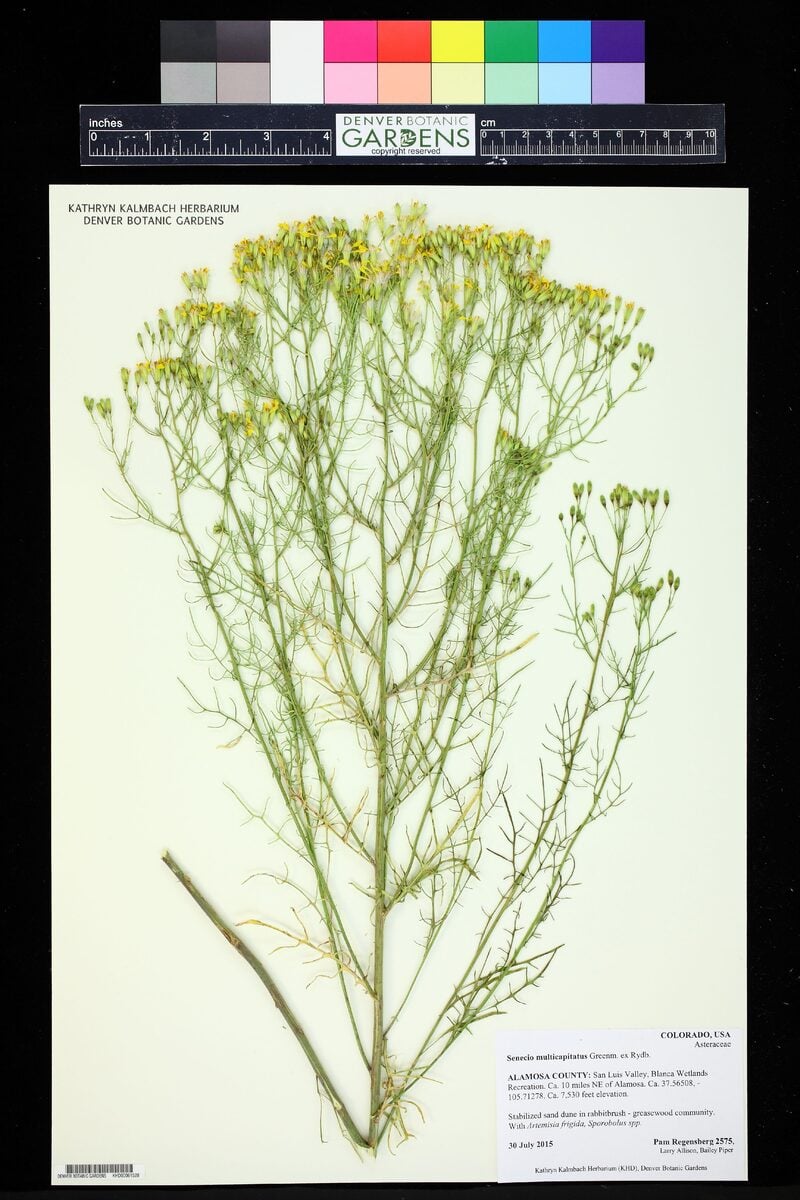
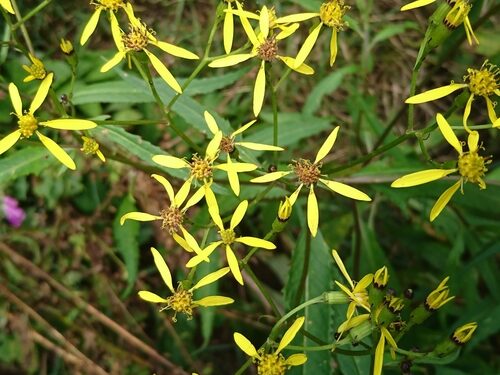
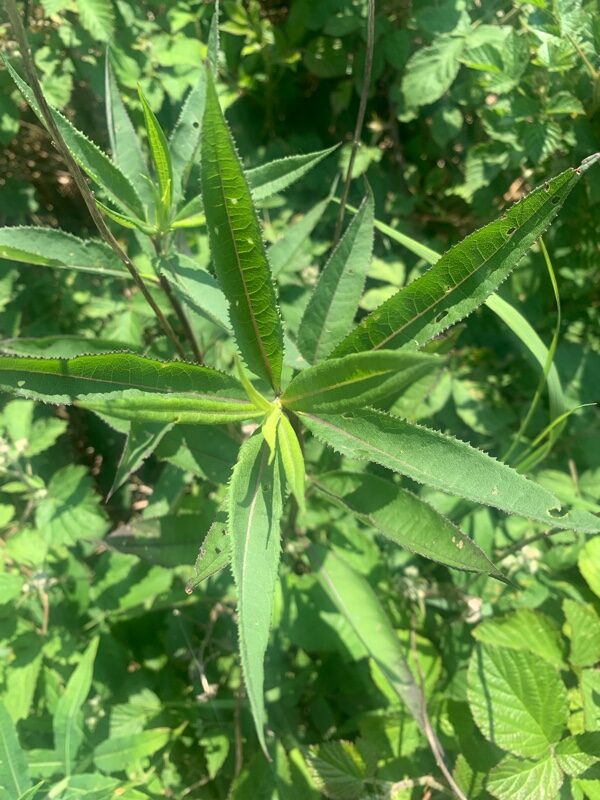
A herb. It grows twice as tall as French tarragon. It grows 1 m tall and 50 cm wide. The leaves are more pale, larger and more indented. The flowers produce seed.
Edible Uses
Edible Parts: Leaves Seed Edible Uses: Leaves - raw or cooked. The N. American Indians would bake the leaves between hot stones and then eat them with salt water. The leaves can also be eaten raw in salads but are inferior to A. dracunculus (Tarragon). The flavour is said to improve as the plant matures. Seed - raw or cooked. An oily texture. The seed is very small and fiddly to use.
Traditional Uses
It is used as a spice but has a more pungent or bitter taste than true tarragon. The leaves are eaten raw or cooked. The seeds are eaten raw or cooked for their oily texture.
Medicinal Uses
Antiscorbutic Diuretic Emmenagogue Hypnotic Stomachic The herb is antiscorbutic, diuretic, emmenagogue, hypnotic and stomachic. The fresh herb is eaten to promote the appetite.
Known Hazards
Although no reports of toxicity have been seen for this species, skin contact with some members of this genus can cause dermatitis or other allergic reactions in some people.
Distribution
It is a temperate plant. It is more hardy than French tarragon. It needs well drained soils. It can grow in light shade. It can grow to hardiness zone 3.
Where It Grows
Australia, Europe, North America, Siberia, South America, Tasmania, Turkey, Türkiye, USA,
Cultivation
Easily grown in a well-drained circumneutral or slightly alkaline loamy soil, preferring a sunny position. Established plants are drought tolerant. Plants are longer lived, more hardy and more aromatic when they are grown in a poor dry soil. Nomenclature is somewhat confused for this species. It is considered by some botanists to be a hardier form of A. dracunculus but with an inferior flavour, whilst some consider it to be part of A. glauca. It is very similar to A. dracunculus, but is more vigorous and hardier, Its leaves have a pungent and less pleasant flavour than that species. Members of this genus are rarely if ever troubled by browsing deer. The aerial parts can be harvested in summer when they are in full bloom, while roots can be harvested in autumn. Artemisia typically flowers in summer. Artemisia species can vary in growth rate, but many are moderately fast-growing, reaching maturity within 1-2 years under optimal conditions.
Propagation
Seed - surface sow from late winter to early summer in a greenhouse. When large enough to handle, prick the seedlings out into individual pots and plant them out in the summer. Division in spring or autumn. Very easy, the divisions can be planted out direct into their permanent positions f required. Basal cuttings in late spring. Harvest the shoots when 10 - 15cm long, pot them up in a greenhouse and plant out when well rooted. Very easy.
Other Uses
Repellent Agroforestry uses: Artemisia species are often used for soil improvement, as ground cover, and in companion planting due to their pest-repellent properties. Some species are also used for erosion control. Both the growing and the dried plant repels insects. 1. Nectary - Flowers rich in nectar and pollen: Yes – Artemisia species produce flowers that can provide nectar and pollen, attracting various pollinators, including bees. 2. Wildlife - Food (Fruit, Seeds, Leaf litter, Shelter, Nesting, Roosting): Yes – The leaves of some Artemisia species are consumed by various insects and herbivores. Additionally, the plant can provide cover for small wildlife. 3. Invertebrate Shelter (Overwintering sites, Leaf litter, Groundcover): Yes – The dense foliage can offer shelter and overwintering sites for beneficial insects, and the leaf litter can provide habitat for various invertebrates. 4. Pest Confuser (Smell): Yes – Many Artemisia species are aromatic and can confuse or repel pests due to their strong scent, which may deter some insects. Special Uses
Production
Shoots can be harvested 7-10 weeks after planting.
Notes
There are about 300 Artemisia species.
Synonyms
References (11)
- Beckstrom-Sternberg, Stephen M., and James A. Duke. "The Foodplant Database." http://probe.nalusda.gov:8300/cgi-bin/browse/foodplantdb.(ACEDB version 4.0 - data version July 1994)
- Bircher, A. G. & Bircher, W. H., 2000, Encyclopedia of Fruit Trees and Edible Flowering Plants in Egypt and the Subtropics. AUC Press. p 42
- Bremness, L., 1994, Herbs. Collins Eyewitness Handbooks. Harper Collins. p 151
- Brouk, B., 1975, Plants Consumed by Man. Academic Press, London. p 329
- Cheifetz, A., (ed), 1999, 500 popular vegetables, herbs, fruits and nuts for Australian Gardeners. Random House p 118
Show all 11 references Hide references
- Hemphill, I, 2002, Spice Notes. Macmillan. p 387
- Kiple, K.F. & Ornelas, K.C., (eds), 2000, The Cambridge World History of Food. CUP p 1866
- Plants for a Future database, The Field, Penpol, Lostwithiel, Cornwall, PL22 0NG, UK. http://www.scs.leeds.ac.uk/pfaf/
- Tozer, F., 2007, The Uses of Wild Plants. Green Man Publishing. p 37
- Trendafilova, A., et al, 2020, Research Advances on Health Effects of Edible Artemisia Species and Some Sesquiterpene Lactones Constituents. Foods 2021, 10, 65. p 4
- van Wyk, B., 2005, Food Plants of the World. An illustrated guide. Timber press. p 74