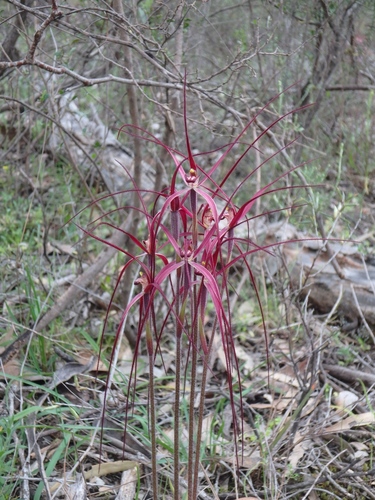
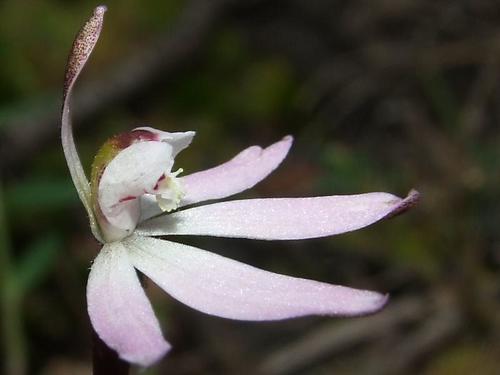
Thelymitra pulchella
Hook.f.
Maikuku
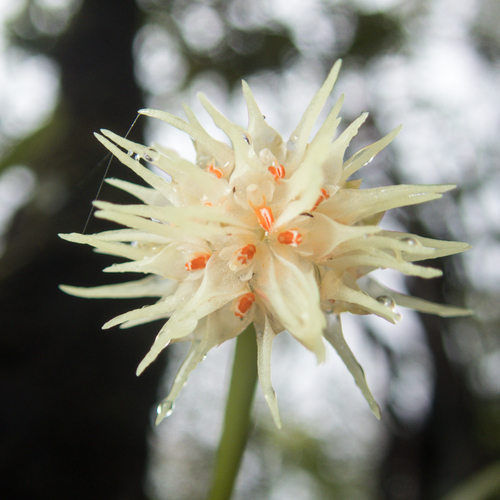
iNaturalist· cc-by-nc
(c) Steve Reekie, some rights reserved (CC BY-NC), uploaded by Steve Reekie
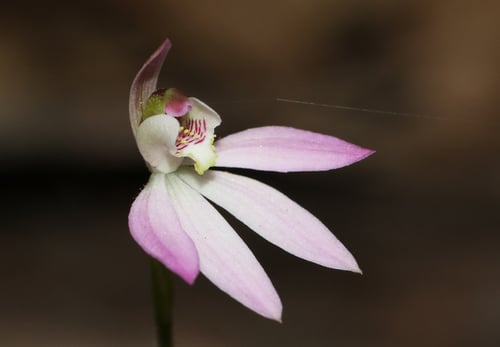
iNaturalist· cc-by-nc-sa
(c) Marley Ford, some rights reserved (CC BY-NC-SA)
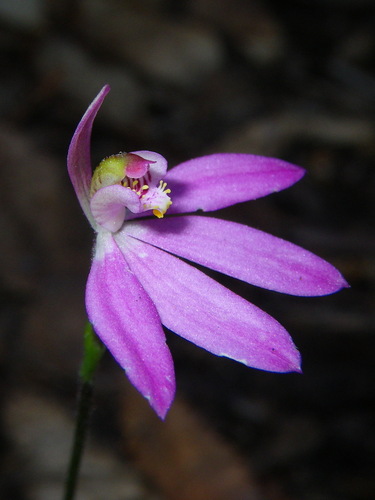
iNaturalist· cc-by-nc
(c) Jack Warden, some rights reserved (CC BY-NC), uploaded by Jack Warden
Summary
Source: WikipediaThelymitra pulchella, commonly called striped sun orchid, is a species of orchid in the family Orchidaceae that is endemic to New Zealand. It has a single erect, fleshy, channelled leaf and up to fourteen blue flowers with darker stripes on the petal and sometimes also on the sepals. The column and its lobes are variable in shape and colour.
Description
A perennial orchid reaching 60 cm tall with hermaphroditic flowers. Suits light sandy, medium loamy, and heavy clay soils at mildly acidic to basic pH levels. Grows in semi-shade to full sun and requires consistently moist soil.
Edible Uses
The root can be eaten raw or cooked.
Medicinal Uses
None known.
Distribution
It is a temperate plant.
Where It Grows
New Zealand*,
Cultivation
Orchids are, in general, shallow-rooting plants of well-drained low-fertility soils. Their symbiotic relationship with a fungus in the soil allows them to obtain sufficient nutrients and be able to compete successfully with other plants. They are very sensitive to the addition of fertilizers or fungicides since these can harm the symbiotic fungus and thus kill the orchid.
Propagation
Surface sow seed in a greenhouse, preferably as soon as it is ripe, and never let the compost dry out. The seed is extremely simple — a minute embryo enclosed in a single layer of protective cells with very little food reserve. It depends on a symbiotic relationship with a soil-dwelling fungus, whose hyphae invade the seed and enter the embryo cells. The orchid then digests the fungal tissue, which supplies nutrition until the plant can draw nutrients from decaying soil matter. To establish this relationship, incorporate soil from around an existing plant of the same species, or sow near one and allow seedlings to develop until large enough to move.
Other Uses
None known.
Notes
There are about 70 Thelymitra species mostly in Australia and the Pacific.
References (3)
- Crowe, A., 1997, A Field Guide to the Native Edible Plants of New Zealand. Penguin. p 107
- http://maoriplantuse.landcareresearch.co.nz
- Plants for a Future database, The Field, Penpol, Lostwithiel, Cornwall, PL22 0NG, UK. http://www.scs.leeds.ac.uk/pfaf/