Terminalia sepicana
Diels
wikimedia· cc-by-sa
Wikimedia Commons - AndyScott
gbif· cc-by
The New York Botanical Garden
Description
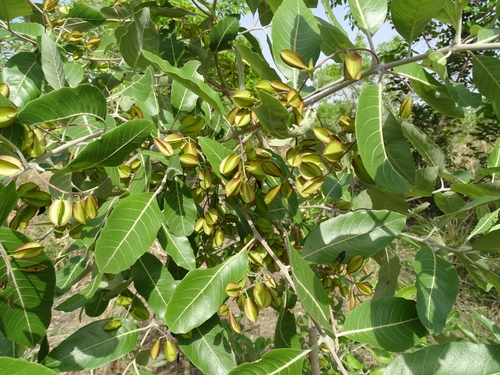
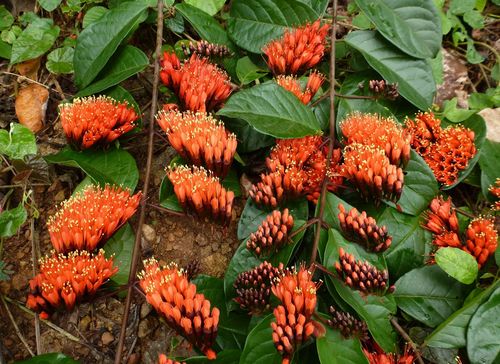
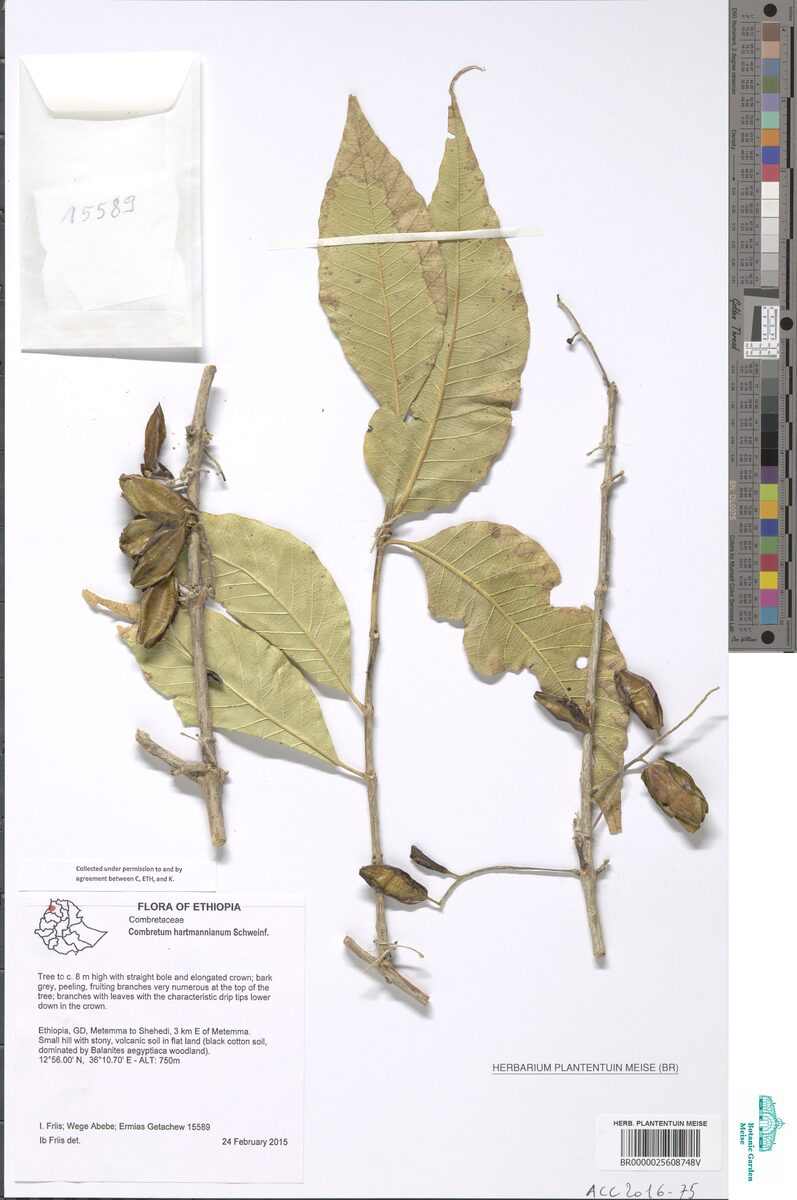
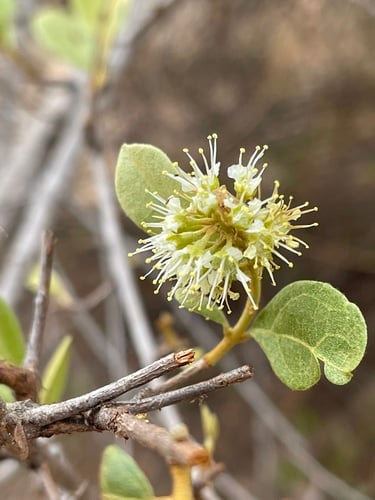
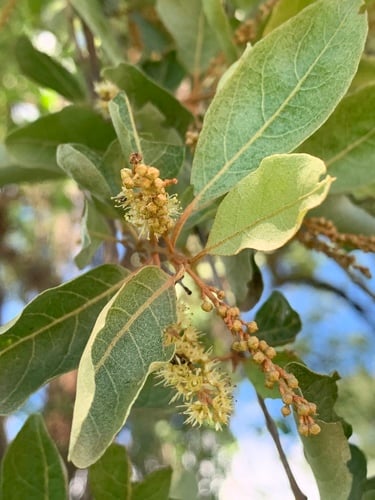
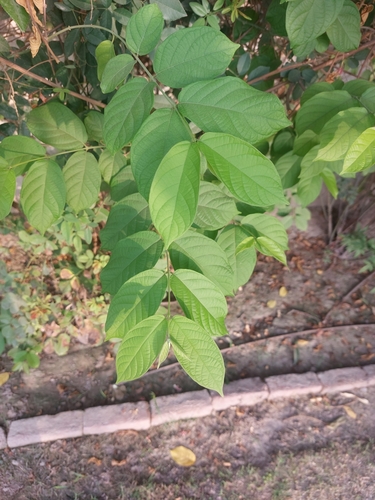
A tree up to 25 to 40 m tall. It often has buttresses. The leaves are clustered at the twig tips. The leaf stalks are less than 2 cm long. The leaves are 8.5 to 15 cm by 4-8 cm. They taper near the base. The flowers are 3-4 mm long and 1-3 fruit are produced per spike. The fruit are 4-6 cm long by 2.5 to 4.5 cm wide. They are green with 4-5 flanges. The fruit redden and become fleshy when ripe.
Edible Uses
The small kernels are sometimes eaten by children, and the fruit flesh is also edible. Kernels, nuts, seeds, and fruit are all consumed.
Traditional Uses
The kernels are very small and sometimes eaten by children.
This uses section is brief — help expand it
Distribution
A tropical plant. It occurs in lowland rainforest and often in swampy areas. It occurs in Papua New Guinea and the Solomon Islands. In Townsville palmetum.
Where It Grows
Australia, Pacific, Papua New Guinea, PNG, Solomon Islands, Vanuatu,
Other Uses
The fruit is said to exude a red dye. The heartwood is light brown; the sapwood is straw-coloured. The wood is said to be very soft. The wood is said to be a major exportable hardwood in New Guinea.
Notes
There are about 200-250 Terminalia species. They are tropical.
References (6)
- Coode, M.J.E., in Womersley, J.S., (Ed.) Handbooks of the Flora of Papua New Guinea. Vol. 1. p 102
- Flora Malesiana Vol 13 p 562
- French, B.R., 2010, Food Plants of Solomon Islands. A Compendium. Food Plants International Inc. p 188
- Lebot, V. & Sam, C., Green desert or ‘all you can eat’? How diverse and edible was the flora of Vanuatu before human introductions?. Terra australis 52 p 410
- Walter, A. & Sam C., 2002, Fruits of Oceania. ACIAR Monograph No. 85. Canberra. p 254, 281
Show all 6 references Hide references
- World Checklist of Useful Plant Species 2020. Royal Botanic Gardens, Kew