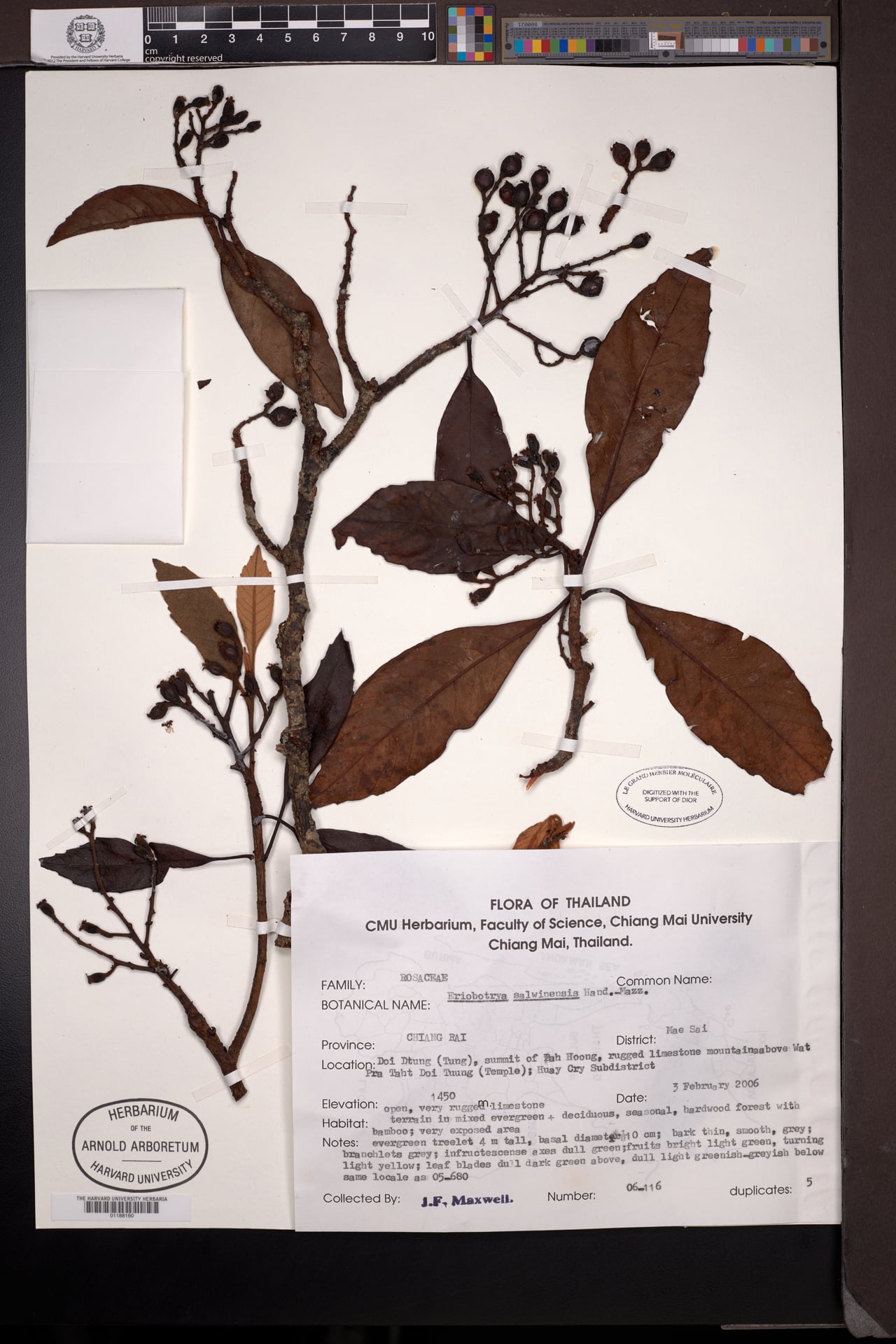
Aronia prunifolia
(Schneid.) Graebn.
Purple chokeberry
Wikipedia· cc-by-sa
Wikimedia Commons - Aronia_prunifolia1.jpg
iNaturalist· cc-by-nc
(c) Steve Young, some rights reserved (CC BY-NC)
iNaturalist· cc-by-nc
(c) rusto70, some rights reserved (CC BY-NC)
Summary
Source: WikipediaAronia × prunifolia, called the purple chokeberry, is a North American hybrid shrub of Aronia arbutifolia × Aronia melanocarpa in the rose family. It is native to eastern Canada and to the eastern and central United States, from Nova Scotia west to Ontario and Wisconsin, south as far as western South Carolina with an isolated population reported in southern Alabama. Some authors consider this to be a hybrid rather than a full-fledged species but it does grow in places where neither parent is present (most of Michigan for example). This independence merits acceptance as a full species. This sort of thing is not unusual; many species of plants originated as hybrids. Aronia × prunifolia is a branching shrub forming clumps by means of stems forming from the roots. Flowers are white or pink, producing purple fruits. The fruits are very astringent - widely considered unpalatable - when raw, but can be used to make jams and jellies. The common name "Chokeberry" refers to the phenomenon that tasting the raw fruits can cause choking.
Description
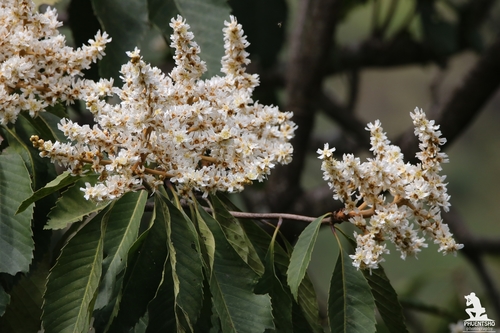
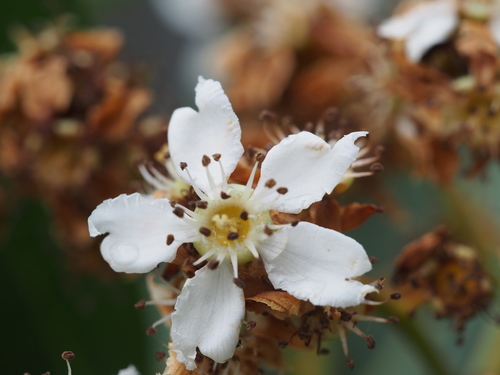
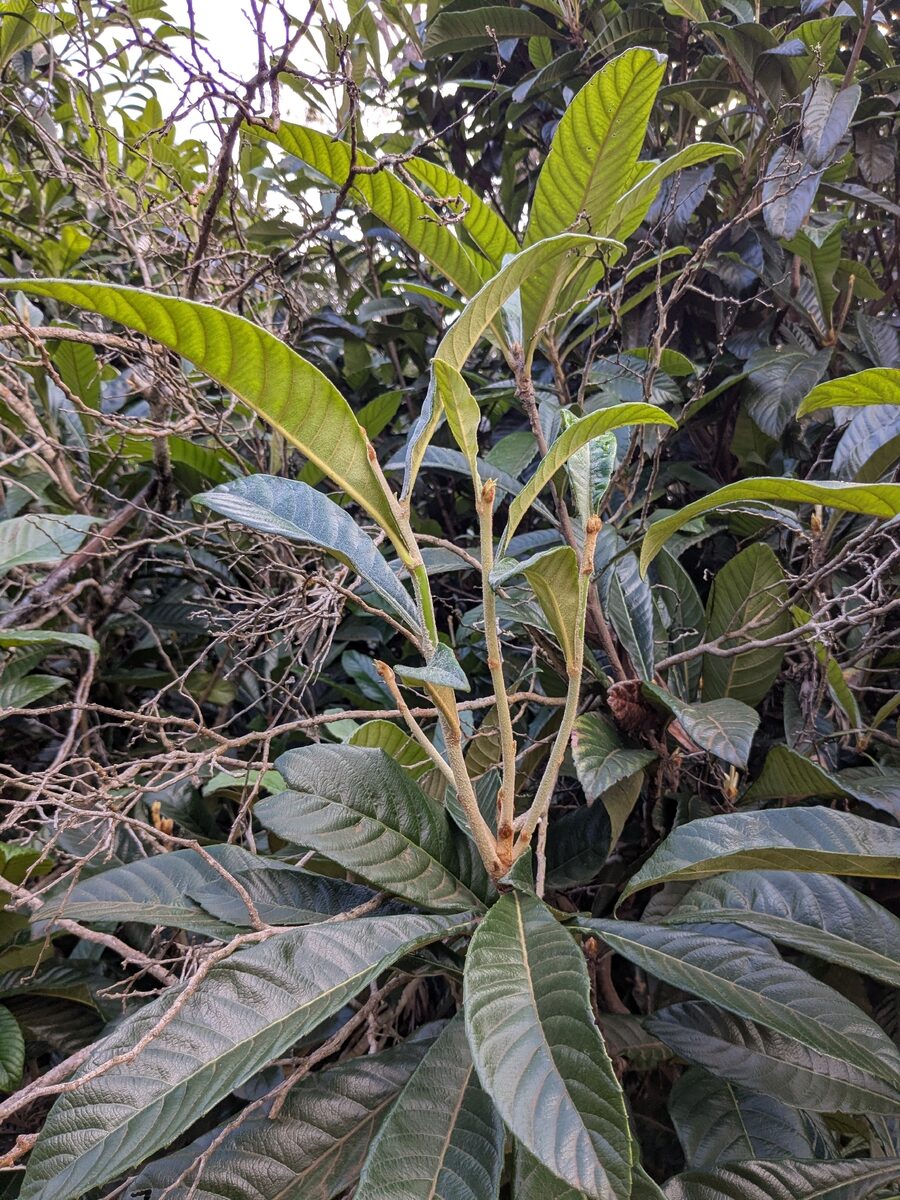
A shrub. It loses its leaves during the year. It grows 3 m high. The leaves are simple and alternate. They are broadly sword shaped and have rounded teeth along the edge. The flowers are small and have 5 petals. The fruit are 8 mm across.
Edible Uses
Edible Parts: Fruit Edible Uses: Fruit - dried and used for making pemmican. The fruit is about 8mm in diameter.
Traditional Uses
The fully ripe fruit can be eaten. They are used for jam, syrup, wine and juice. The fruit can be dried for later use.
This uses section is brief — help expand it
Medicinal Uses
None known
Distribution
It is a temperate plant. It grows in wet woods and swamps. It is cold hardy and can tolerate temperatures down to -25°C. It grows in acid soils.
Where It Grows
Australia, North America*, USA, Tasmania,
Cultivation
Plants can be grown from seed or cuttings. Old stems can be cut back near the ground to encourage new growth.
Propagation
Seed - best sown as soon as it is ripe in pots outdoors or in a cold frame. Pre-soak stored seed overnight and then cold stratify for 3 months at 2°c. The seed germinates in 1 - 3 months at 15°c. When large enough to handle, prick the seedlings out into individual pots and grow them on in a cold frame for their first winter. Plant out in late spring. Since this species is believed to be a hybrid it will probably not breed true from seed. Cuttings of half-ripe wood, July/August in a frame. Division of suckers in the dormant season. Very easy, they can be planted straight out into their permanent positions. Layering.
Other Uses
None known Special Uses Food Forest
Production
The flower are produced in late summer and the fruit ripen in mid winter.
Notes
There are 3 Aronia species. The Plant List has "Aronia x prunifolia (Marshall) 8367+(pro so.)+" as an approved name.
References (5)
- Hibbert, M., 2002, The Aussie Plant Finder 2002, Florilegium. p 32 (As Aronia x prunifolia)
- Jackes, D. A., Edible Forest Gardens (As Aronia x prunifolia)
- Lyle, S., 2006, Discovering fruit and nuts. Land Links. p 79
- Plants for a Future database, The Field, Penpol, Lostwithiel, Cornwall, PL22 0NG, UK. http://www.scs.leeds.ac.uk/pfaf/
- Tozer, F., 2007, The Uses of Wild Plants. Green Man Publishing. p 36