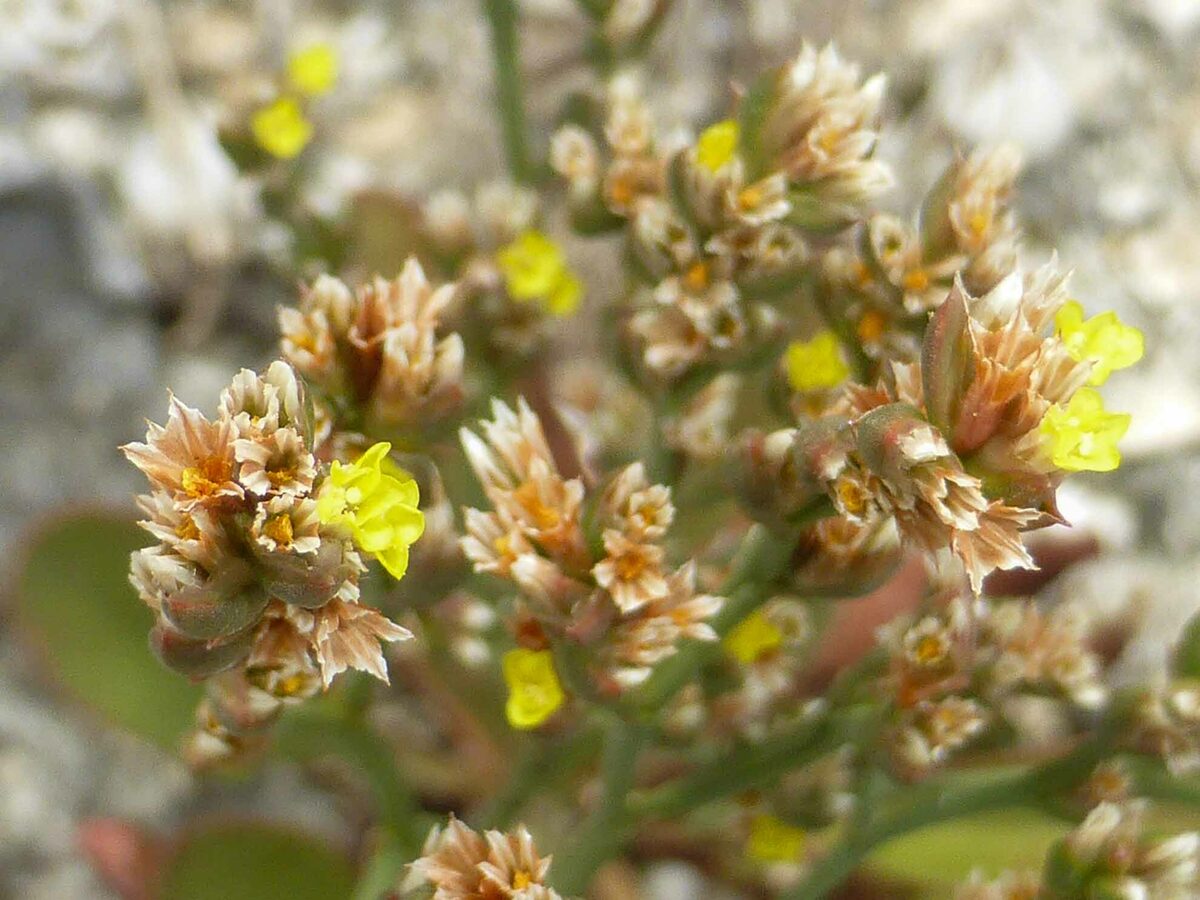
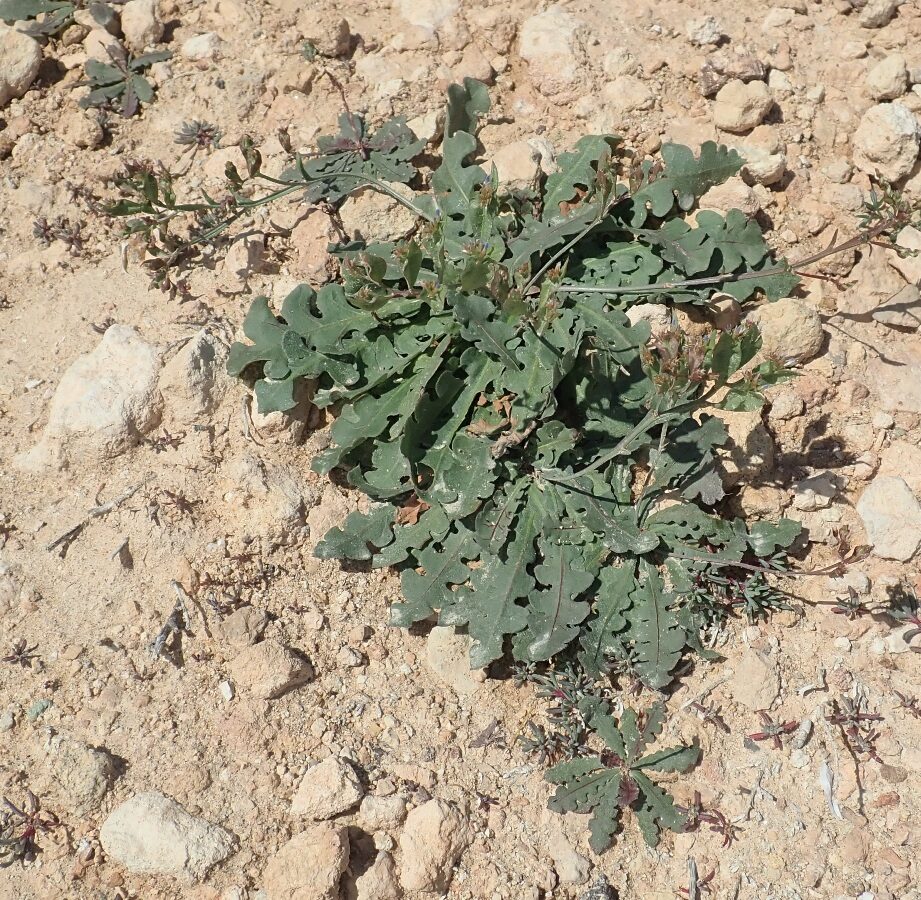
Armeria maritima
(Mill.) Willd.
Sea thrift, Sea pink, Cliff rose
iNaturalist· cc-by-nc
(c) hramona, some rights reserved (CC BY-NC)
iNaturalist· cc-by-nc
(c) rupicapra, some rights reserved (CC BY-NC)
iNaturalist· cc-by
(c) Jacek Pietruszewski, some rights reserved (CC BY), uploaded by Jacek Pietruszewski
Summary
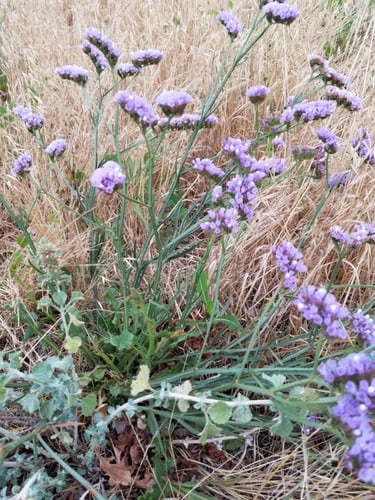
Source: WikipediaArmeria maritima, the thrift, sea thrift or sea pink, is a species of flowering plant in the family Plumbaginaceae. It is a compact evergreen perennial which grows in low clumps and sends up long stems that support globes of bright pink flowers. In some cases purple, white or red flowers also occur. It is a popular garden flower and has been distributed worldwide as a garden and cut flower. It does well in gardens designed as xeriscapes or rock gardens. The Latin specific epithet maritima means pertaining to the sea or coastal.
Description
A perennial plant. It grows 15-30 cm high. The leaves are linear and dark green. The flowers are in heads 2.5 cm across and held well above the leaves.
Edible Uses
Edible Parts: Leaves Root Edible Uses: Leaves - cooked. Used for slimming. Root. No more details are given.
Medicinal Uses
Urinary Sea thrift is rarely used in herbal medicine, though the dried flowering plant is antibiotic and has been used in the treatment of obesity, some nervous disorders and urinary infections. It cannot be used externally as an antibiotic poultice because it can cause dermatitis or local irritation.
Distribution
A temperate plant. It is frost hardy. It grows near the coast and in mountain areas. It needs well-drained soil. It is resistant to drought. In Argentina it grows from sea level to 3,200 m above sea level. It suits hardiness zones 4-10.
Where It Grows
Argentina, Australia, Britain, Chile, Europe*, Falklands, Netherlands, Slovenia, South America, Spain, Turkey, Türkiye,
Cultivation
It can be grown by dividing clumps.
Propagation
Seed - pre-soak for 8 hours in warm water and then sow in pots of sandy soil in a cold frame. Germination usually takes place in 2 - 3 weeks at 15°c. When large enough to handle, prick the seedlings out into individual pots and grow them on in a cold frame for their first winter, planting them out in late spring or early summer. Division in spring or after flowering. Fairly easy, large divisions can be planted out straight into their permanent positions whilst it is probably best to pot up smaller divisions and to grow them on in light shade in a cold frame until they are rooting well.
Other Uses
A good ground-cover for a sunny position. The cultivar 'Vindictive' has been especially recommended and so has 'Alba'. Plants form a slowly spreading carpet. Special Uses Attracts Wildlife Ground cover
Notes
There are about 80 Armeria species. The Plumbaginaceae usually grow near sea coasts.
Also Known As
Obmorski pečnik
References (5)
- Bodkin, F., 1991, Encyclopedia Botanica. Cornstalk publishing, p 103
- Cundall, P., (ed.), 2004, Gardening Australia: flora: the gardener's bible. ABC Books. p 187
- Enum. pl. 1:333. 1809
- Hibbert, M., 2002, The Aussie Plant Finder 2002, Florilegium. p 32
- Plants for a Future database, The Field, Penpol, Lostwithiel, Cornwall, PL22 0NG, UK. http://www.scs.leeds.ac.uk/pfaf/