Syzygium calubcob
(C. B. Robinson) Merr.
Kalubkob
wikimedia· cc0
Wikimedia Commons - (C.B.Rob.) Merr.
Description
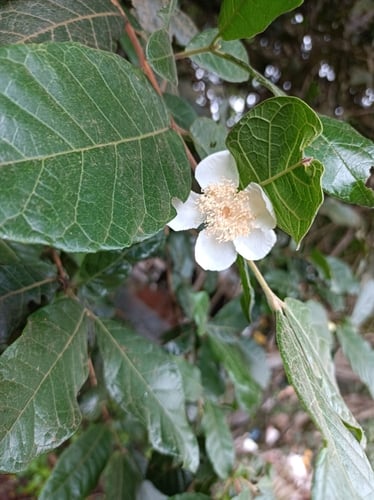
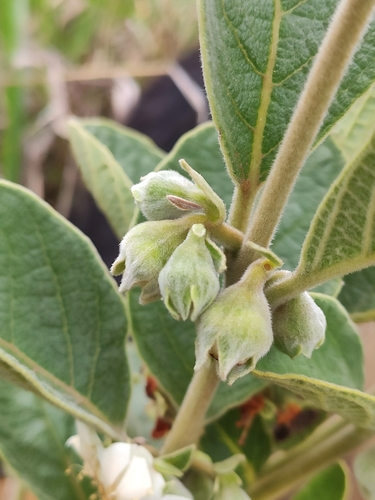
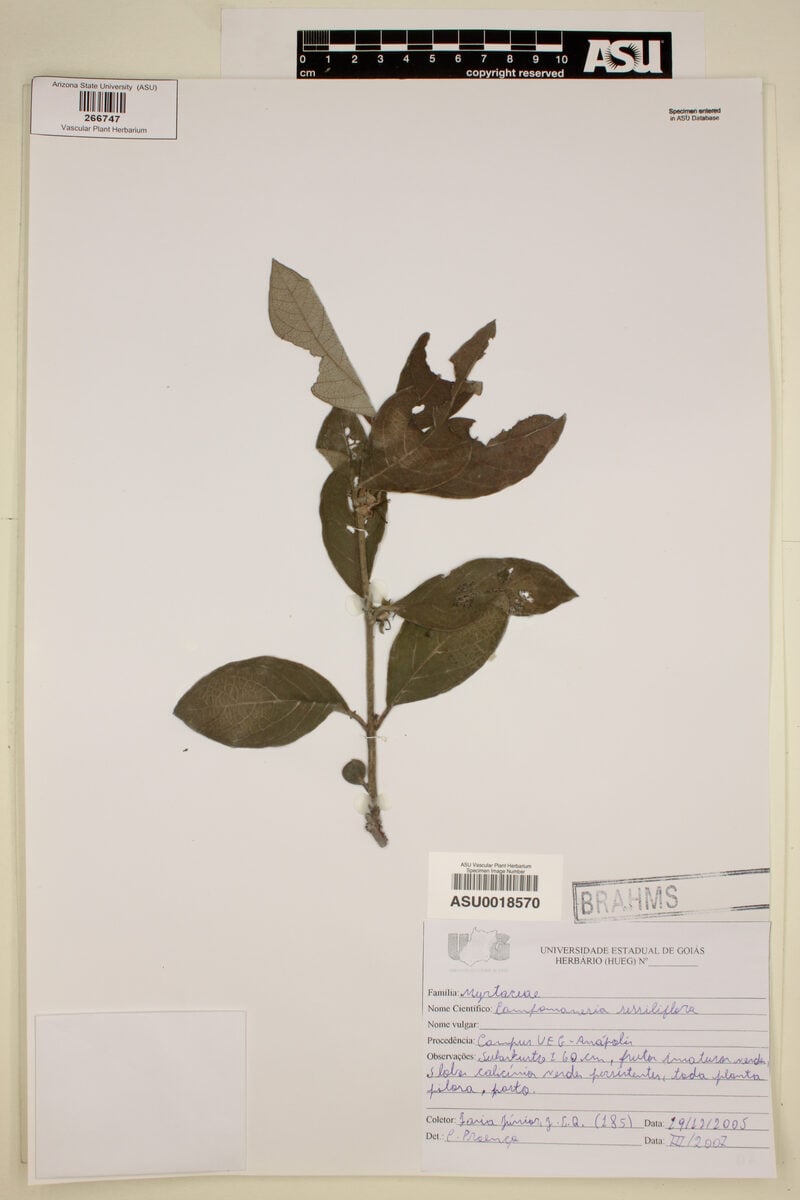
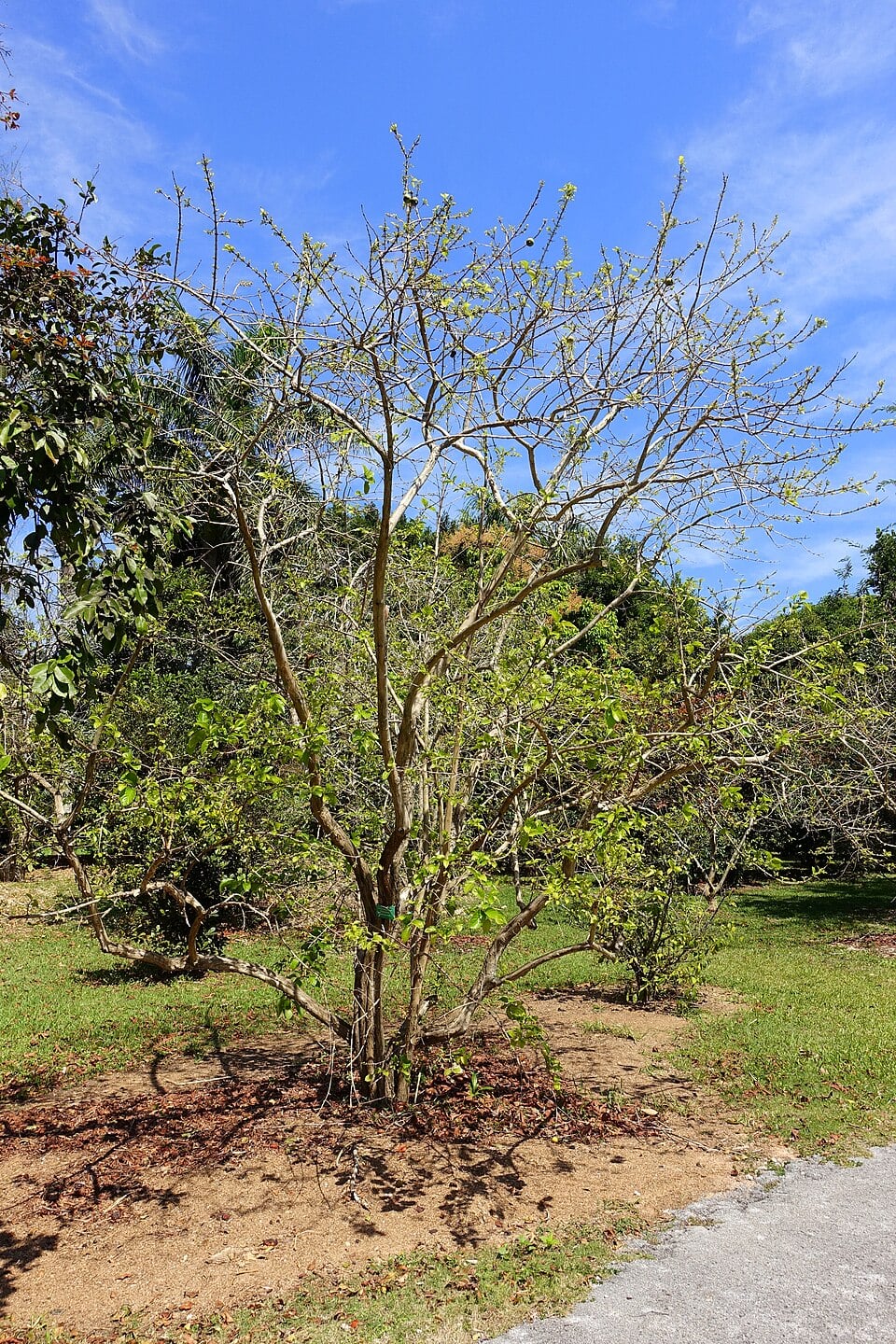
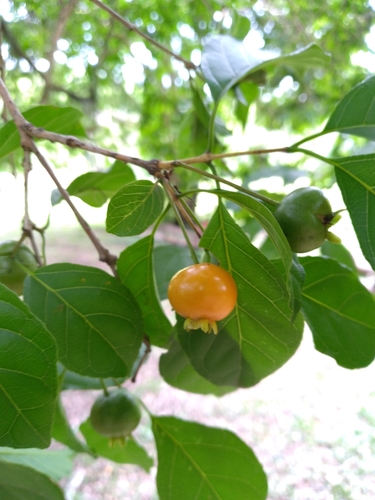
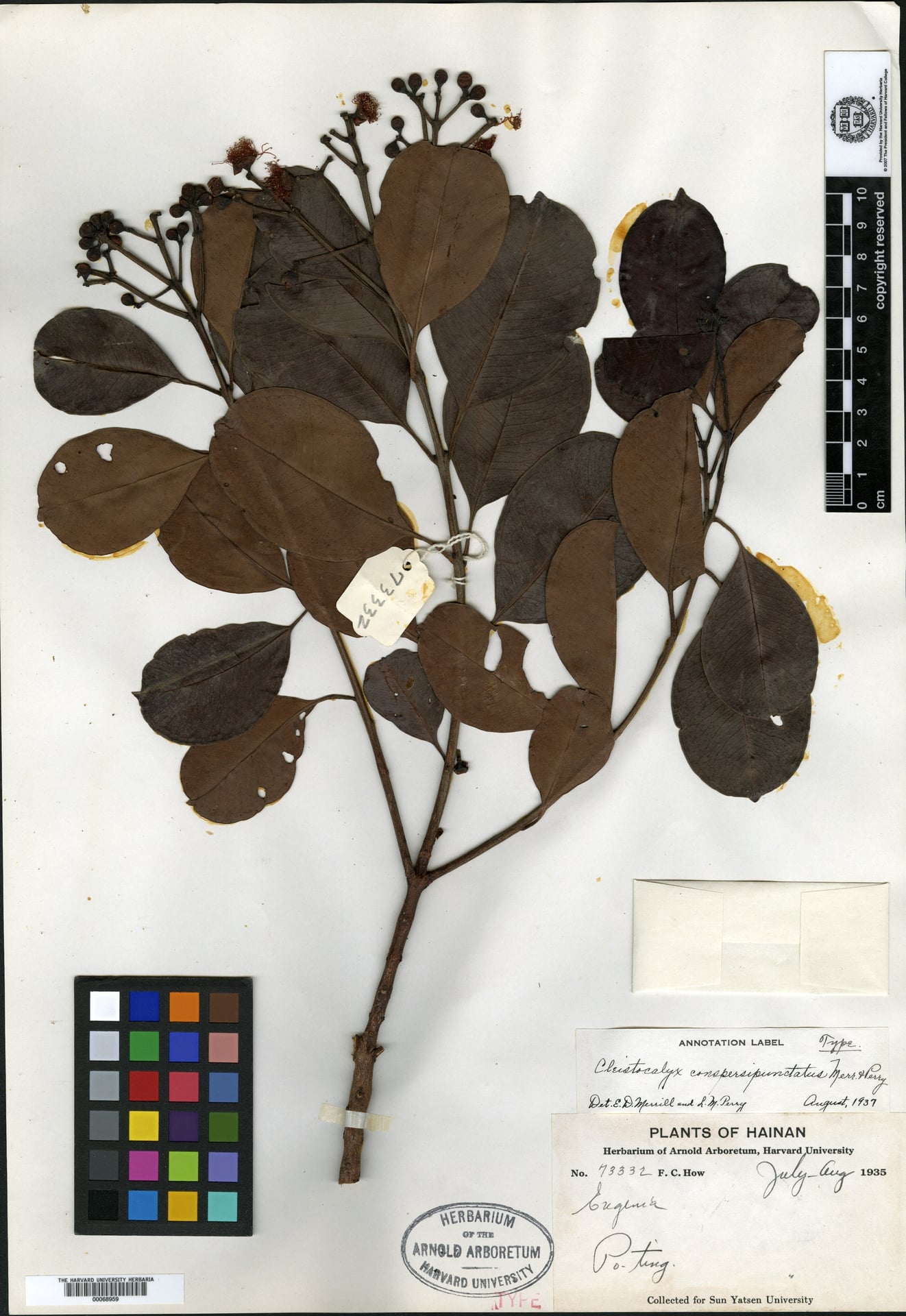
A shrub or large tree. It grows 10 m tall but can grow to 25 m tall. The trunk can be 30-90 cm across. The leaves are in a few opposite pairs. They are papery and oblong. They are pointed at the tip and heart shaped at the base. The leaves are 7-23 cm long by 2-10 cm wide. They are borne on swollen fruit stalks. The flowers are white and in compound flower arrangements. with a few to many flowers. The fruit are round and 3-5 cm across. They have a large flat case around the bud and a yellow skin.
Edible Uses
Fruit - raw. The fleshy pulp is eaten. Tasty. A good flavour. The yellow-green, subglobose fruit is 3 - 5cm in diameter with a large flat calyx rim.
Traditional Uses
The fruit are eaten raw.
This uses section is brief — help expand it
Medicinal Uses
No medicinal uses documented.
Distribution
A tropical plant. They are very common and widely distributed in areas of shrub at low and medium altitudes in the Philippines.
Where It Grows
Asia, Pacific, Philippines, SE Asia,
Cultivation
Plants are grown from seed.
Propagation
Seed - best sown as soon as it is ripe.
Other Uses
The wood can be used for temporary construction work. We do not have any more specific information for the wood of this species, but the various species of Syzygium tend to have somewhat similar timber. The general description of syzygium timber is as follows:- The heartwood is a golden brown, greyish brown or brown, with pink or purplish glints; it is not clearly demarcated from the 1 - 4cm wide band of sapwood. The texture is fine; the grain slightly interlocked, sometimes wavy or irregular; there are resin deposits. The wood is heavy; moderately hard; somewhat durable, being moderately resistant to fungi and termites, but susceptible to dry wood borers. It seasons slowly, with a high risk of checking and distortion; once dry it is moderately stable in service. It works well with ordinary tools, nailing and screwing are good so long as the wood is pre-bored; gluing is correct. The wood is used for musical instruments, tool handles, furniture components, ship building, heavy carpentry, flooring, joinery etc.
Other Information
It is a minor edible fruit. It is occasionally cultivated. Fruit are tasty.
Synonyms
Also Known As
Balanga, Barakbak
References (4)
- Carig, Elizabeth T., 2020, Guidebook on Native Trees within the Quirino Forest Landscape. Plaridel, Bulacan, St. Andrew Publishing House. p 67
- Monsalud, M.R., Tongacan, A.L., Lopez, F.R., & Lagrimas, M.Q., 1966, Edible Wild Plants in Philippine Forests. Philippine Journal of Science. p 505
- PROSEA No. 2
- World Checklist of Useful Plant Species 2020. Royal Botanic Gardens, Kew