Solanum aculeatissimum
Jacq.
Cow eggplant, Love apple
iNaturalist· cc-by-sa
(c) Nicola van Berkel, some rights reserved (CC BY-SA), uploaded by Nicola van Berkel
iNaturalist· cc-by-nc
(c) Fred Berrington, some rights reserved (CC BY-NC)
iNaturalist· cc-by-nc
(c) Fred Berrington, some rights reserved (CC BY-NC)
Summary
Source: WikipediaSolanum aculeatissimum, known as Dutch eggplant, and love-apple, is a weedy shrub that bears small, 2–3 cm pale yellow fruit following white flowers with characteristic Solanum yellow stamens.
Description
A soft shrub. It grows about 1 m tall. It is often grown as an annual. It has prickles. The leaves have lobes. The flowers are small and white. They are normally singly in the axils of leaves. The fruit are bright red. They are 5 cm across. These normally have ridges and lobes. They look like tomatoes.
Edible Uses
The unripe fruit is roasted and eaten or used in curries.
Traditional Uses
The unripe fruit are roasted and eaten. They are also used in curries.
This uses section is brief — help expand it
Medicinal Uses
The sap of roasted fruits is taken as a parturient to induce labour. A decoction of the fruit is administered as an enema to cure constipation. Smoke from the burning fruits is inhaled to cure toothache. The fruit sap is used as eye drops to treat trachoma. The fruit is pressed to the forehead as a remedy for headache, and to the skin in order to cure skin infections. Warm leaves are ground in water and the extract is administered as an enema as an abortifacient or purgative. The sap from the leaves and fruit is applied to warts299]. The roots are purgative. A decoction is drunk to cure back pain, male impotence and flatulence. A root maceration is drunk to treat snakebites. The plant contains a number of medically active compounds, especially alkaloids. Solasonine is the major glycoalkaloid in the leaves, stems, fruits and seeds, whilst some of the minor alkaloids isolated are solamargine, solanine and solasodine. The highest concentration of alkaloids is found in the seed (4.4%). Mature fruits contain the steroids diosgenin, β-sitosterol and lanosterol.. Roots contain the steroidal saponins aculeatiside A and B, which are precursors of steroid hormones.
Known Hazards
The fruits are considered to be toxic. The sliced fruit is used as bait for cockroaches. Although providing many well-known foods for people, including the potato, tomato, pepper and aubergine, most species in this genus also contain toxic alkaloids. Whilst these alkaloids can make the plant useful in treaing a range of medical conditions, they can also cause problems such as nausea, vomiting, salivation, drowsiness, abdominal pain, diarrhoea, weakness and respiratory depression. Unless there are specific entries with information on edible uses, it would be unwise to ingest any part of this plant.
Distribution
A subtropical plant. It grows between 1,000-2,400 m above sea level. In Sichuan and Yunnan.
Where It Grows
Africa, America, Angola, Asia, Botswana, Brazil*, Burkina Faso, Central Africa, Central America, China, Congo, Costa Rica, East Africa, Eswatini, India, Indochina, Indonesia, Jamaica, Laos, Malawi, Malaysia, Mexico, Mozambique, Myanmar, Nepal, North America, Pacific, Paraguay, Samoa, Sao Tome and Principe, SE Asia, Sierra Leone, South Africa, Southern Africa, South America, Sudan, Swaziland, Thailand, Tibet, Trinidad-Tobago, West Africa, West Indies, Zambia, Zimbabwe,
Cultivation
It can be grown as a hedge.
Propagation
Seed - sow in trays in a nursery. Prick out the seedlings into individual pots when they are large enough to handle and grow them on fast. Plant them out when 10cm or more tall. Cuttings of half-ripe wood. Very easy, the cuttings root within a couple of weeks.
Other Uses
The sliced fruit is used as a bait to kill cockroaches. An ethanol extract of the leaves has been shown to inhibit spore germination of the fungal cabbage disease black spot. Extracts of the leaves and fruits were shown to have a repellent, but not an insecticidal effect on the cabbage aphid. The plant is used in Asia as a rootstock for tomato and aubergine plants. Semi-cultivated as a prickly hedge plant.
Notes
There are about 1400 Solanum species. It is used in medicine. It can be invasive. It can affect the germination of some other seeds, including vegetables.
Synonyms
Also Known As
Arrebenta-cavalo, Chhorhenta, Joa do mato, Kantakari, Makuey leung, Melania, Mullu sunde, N'thula, Niu Qiezi, Rebenta-cavalo, Terong asam hutan, Terong kapal, Terong kori, Terong perat, Terong piat, Terong pusat, Terong tenang, Terung perat
References (18)
- Ambasta, S.P. (Ed.), 2000, The Useful Plants of India. CSIR India. p 579
- Burkill, I.H., 1966, A Dictionary of the Economic Products of the Malay Peninsula. Ministry of Agriculture and Cooperatives, Kuala Lumpur, Malaysia. Vol 2 (I-Z) p 2078
- Collectanea 1:100. 1787 ("1786"); Icon. pl. rar. 1: t. 41. 1787? ("1781-1786")
- Dangol, D. R. et al, 2017, Wild Edible Plants in Nepal. Proceedings of 2nd National Workshop on CUAOGR, 2017.
- Fouqué, A., 1972, Espèces fruitières d'Amérique tropicale. Institut français de recherches fruitierès outre-mer
Show all 18 references Hide references
- Gautam, R. S., et al, 2020, Wild Edible Fruits of Nepal. Int. J. Appl. Sci. Biotechnol. Vol 8(3): 289-304
- Harisha, R. P. & Padmavathy, S., 2013, Knowledge and Use of Wild Edible Plants in Two Communities in Malai Madeshwara Hills, Southern India. International Journal of Botany 9(2): 64-72. (As Solanum khasianum)
- Jiwajinda, S., et al, 2002, Suppressive Effects of Edible Thai Plants on Superoxide and Nitric Oxide Generation. Asian Pacific Journal of Cancer Prevention, Vol 3, 2002
- Leal, M. L. et al, 2018, Knowledge, use, and disuse of unconventional food plants. Journal of Ethnobiology and Ethnomedicine (2018) 14:6
- Milow, P., et al, 2013, Malaysian species of plants with edible fruits or seeds and their evaluation. International Journal of Fruit Science. 14:1, 1-2
- Parham, B. E. V., 1972, Plants of Samoa. New Zealand Department of Scientific and Industrial Research. Information Series. No. 85 p 102
- Ruiters-Welcome, A. K., 2019, Food plants of southern Africa. Ph.D. thesis. Univ. of Johannesburg p 103
- Segura, S., et al, 2018, The edible fruit species in Mexico. Genet Resour Crop Evol (2018) 65:1767–1793
- Swaziland's Flora Database http://www.sntc.org.sz/flora
- Terra, G.J.A., 1973, Tropical Vegetables. Communication 54e Royal Tropical Institute, Amsterdam, p 76
- Valder, P., 1999, The Garden Plants of China. Florilegium. p 384
- Welcome, A. K. & Van Wyk, B.-E., 2019, An inventory and analysis of the food plants of southern Africa. South African Journal of Botany 122 (2019) 136–179
- World Checklist of Useful Plant Species 2020. Royal Botanic Gardens, Kew
More from Solanaceae
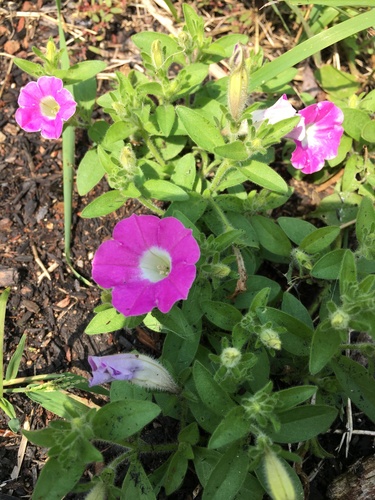
Petunia x atkinsiana
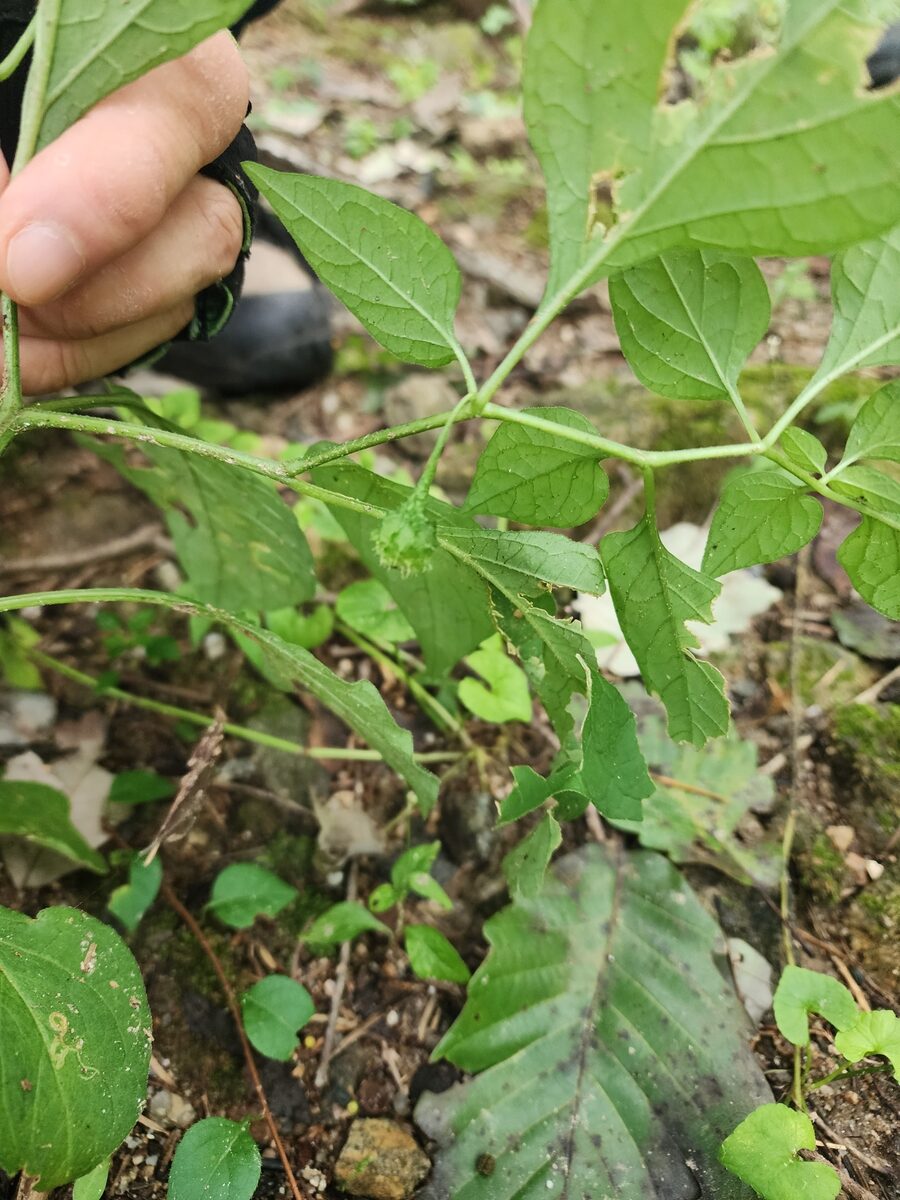
Physaliastrum echinatum - (Franch.&Sav.)Honda.
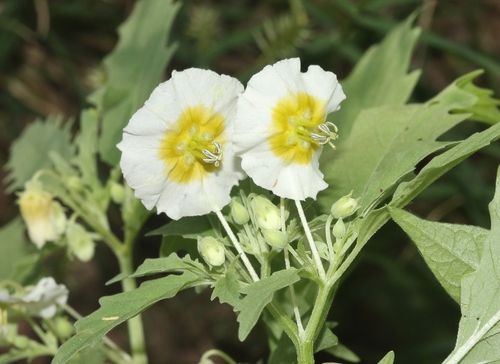
Physalis acutifolia
Sharp-leaf ground cherry
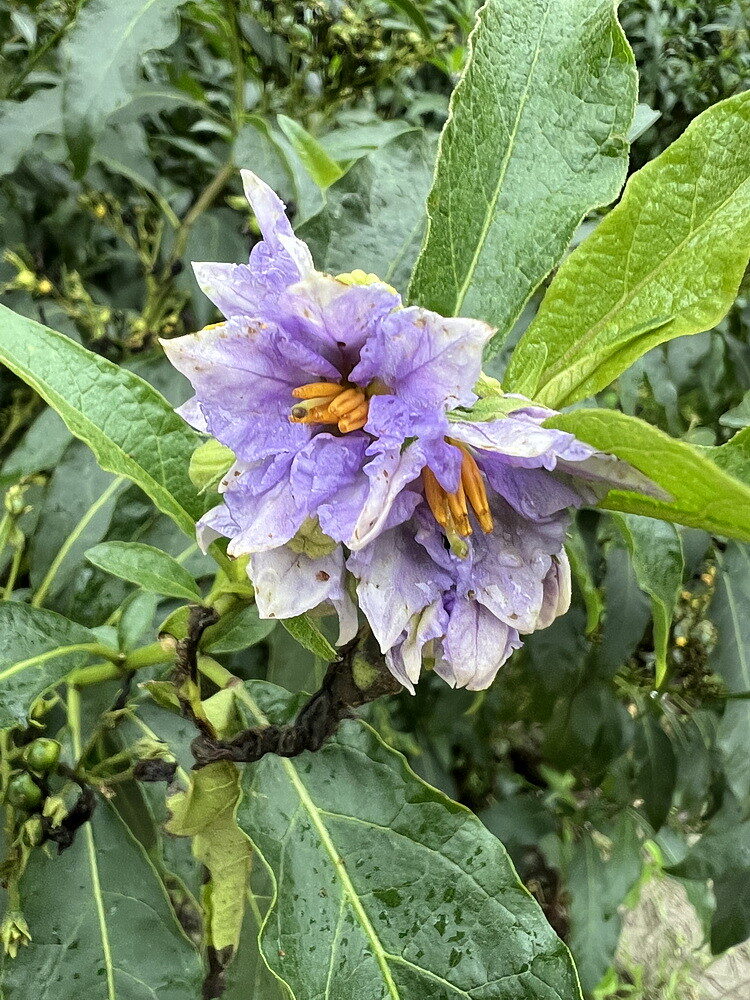
Physalis alkekengi
Winter Cherry, Strawberry groundcherry,Ground Cherry, Chinese Lantern
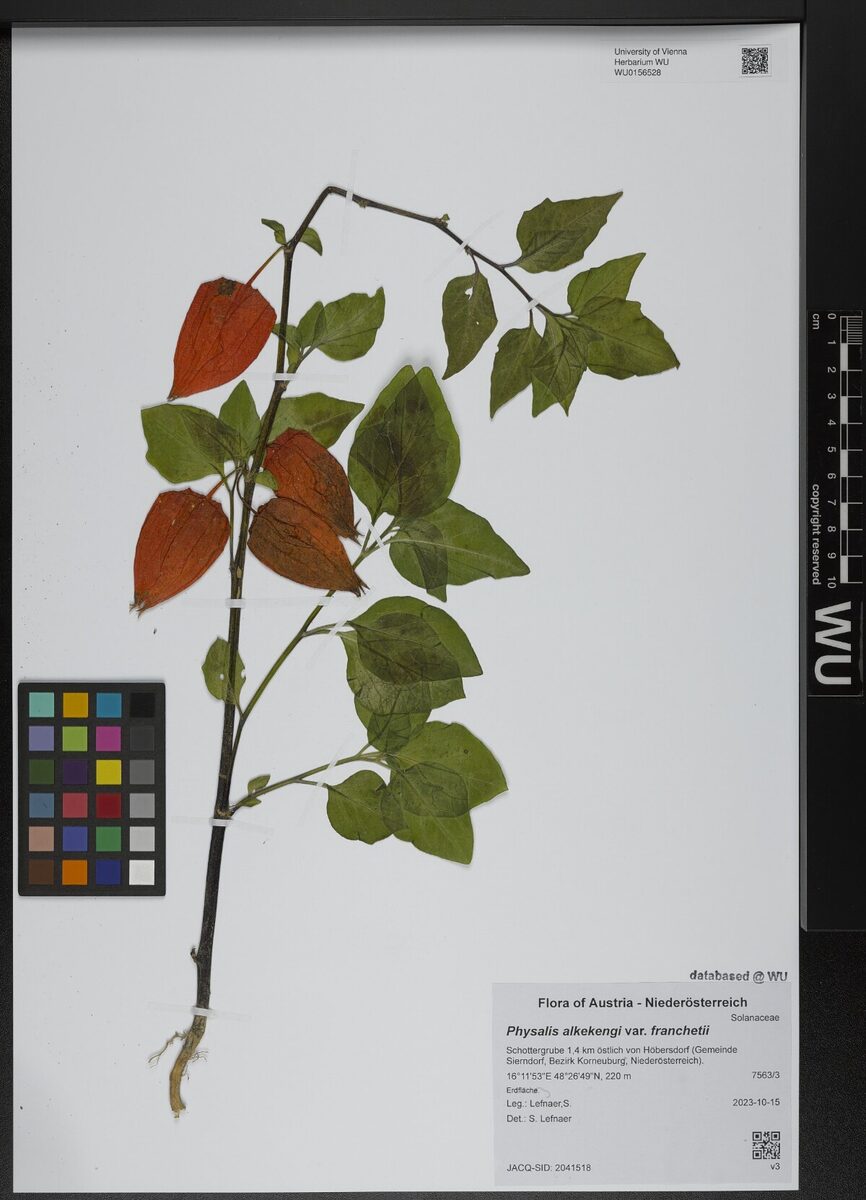
Physalis alkekengi franchetii
Winter Cherry
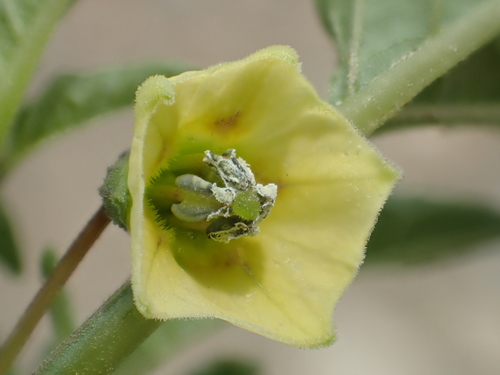
Physalis angulata
Toothed-leaved winter cherry, Angular winter-cherry