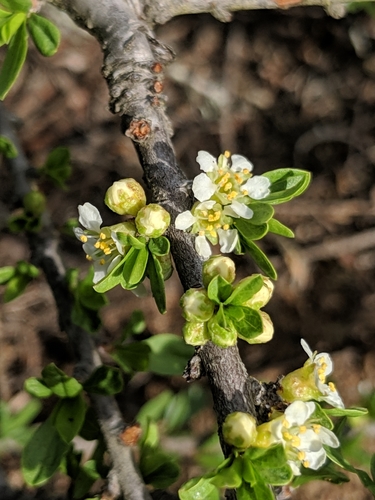
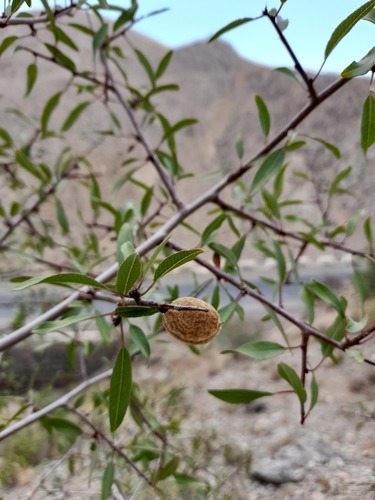
Aphanes arvensis
L.
Parsley Piert, Breakstone parsley
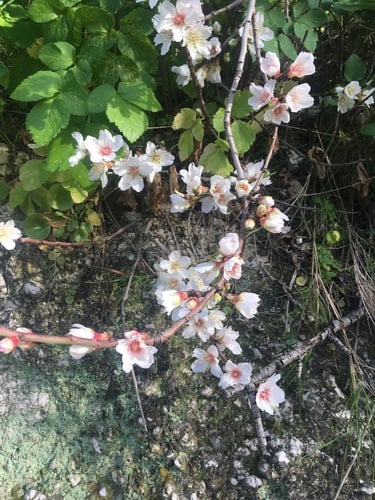
iNaturalist· cc-by-nc
(c) Julia V. Shner, some rights reserved (CC BY-NC)
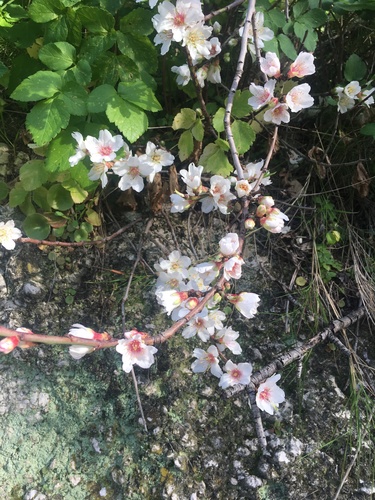
iNaturalist· cc-by-nc
(c) Julia V. Shner, some rights reserved (CC BY-NC)
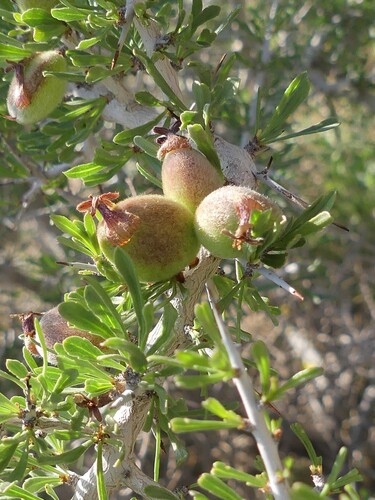
iNaturalist· cc-by-nc
(c) Julia V. Shner, some rights reserved (CC BY-NC)
Summary
Source: WikipediaA small annual herb reaching 0.1 meters tall and spreading to 0.2 meters. Flowers bloom April to October with seeds maturing July to November. Hermaphroditic and self-fertile, it grows in light sandy to heavy clay soils, even in poor soil. Tolerates mildly acid to very alkaline pH, semi-shade, and dry conditions including drought.
Description
An annual herb. It is a low slender plant. It is hairy. It grows to 5 cm high and spreads to 20 cm wide. The stem has several branches at the base. The leaves are grey-green and have 3 lobes. The lobes are oblong and there are teeth along the edge. The flowers are small and greenish and in clusters without stalks. These develop opposite the leaves.
Edible Uses
Edible Parts: Leaves Edible Uses: Leaves - eaten raw in salads or pickled for winter use. The plant is rarely eaten nowadays.
Traditional Uses
The leaves are eaten raw in salads.
This uses section is brief — help expand it
Medicinal Uses
Astringent Demulcent Diuretic Refrigerant Urinary Parsley piert has a long history of folk use, being commonly employed to rid the body of stones in the kidney or bladder. It has become a highly respected herb in modern herbalism for the treatment of kidney stones. The whole herb is astringent, demulcent, diuretic and refrigerant. It is used mainly as an infusion in the treatment of kidney and bladder complaints (including cystitis and recurrent urinary infections), jaundice etc. A very valuable remedy, acting violently but safely by promoting the flow of urine, it is often used in combination with other herbs. The plant is harvested in early summer and can be used fresh or dried. The herb is considered to be most efficacious when it is freshly collected and dried.
Distribution
It grows in temperate places. It grows in most well-drained soils. It can grow in a sunny or lightly shady position. It can grow in acid or alkaline soils. In Argentina it grows between 1,000-1,700 m above sea level. Tasmania Herbarium.
Where It Grows
Albania, Argentina, Australia, Austria, Azerbaijan, Balkans, Belgium, Brazil, Britain, Bulgaria, Caucasus, Chile, Czech, Denmark, Europe, Falklands, France, Georgia, Germany, Greece, Hungary, Iran, Ireland, Italy, Latvia, Lithuania, Luxembourg, Mediterranean, Middle East, Netherlands, Poland, Portugal, Romania, Russia, Scandinavia, Slovakia, Slovenia, South America, Spain, Sweden, Switzerland, Tasmania, Turkey, Türkiye, Ukraine, United Kingdom, Yugoslavia,
Cultivation
Succeeds in most well-drained soils in full sun or partial shade. The plant tolerates stony or gravelly soils as well as both acid and alkaline conditions. It grows well in a short lawn. This is an aggregate species that contains a number of very closely related species.
Propagation
Seed - sow autumn in situ. The seed is best sown in dry weather.
Other Uses
None known Special Uses
Notes
There are 20 Aphanes species.
Synonyms
References (17)
- Brown, D., 2002, The Royal Horticultural Society encyclopedia of Herbs and their uses. DK Books. p 124
- Cerne, M., 1992, Wild Plants from Slovenia used as Vegetables. Acta Horticulturae 318 (As Alchemilla arvensis)
- Curtis, W.M., 1956, The Students Flora of Tasmania Vol 1 p 171
- Facciola, S., 1998, Cornucopia 2: a Source Book of Edible Plants. Kampong Publications, p 193
- Hussey, B.M.J., Keighery, G.J., Cousens, R.D., Dodd, J., Lloyd, S.G., 1997, Western Weeds. A guide to the weeds of Western Australia. Plant Protection Society of Western Australia. p 208
Show all 17 references Hide references
- Hyde-Wyatt, B.H. & Morris D.I., 1975, Tasmanian Weed Handbook. Dept of Ag Tasmania. p 62
- Irving, M., 2009, The Forager Handbook, A Guide to the Edible Plants of Britain. Ebury Press p 263
- Kunkel,
- Lazarides, M. & Hince, B., 1993, Handbook of Economic Plants of Australia, CSIRO. p 22
- Mabey, R., 1973, Food for Free. A Guide to the edible wild plants of Britain, Collins. p 81
- Paczkowska, G . & Chapman, A.R., 2000, The Western Australian Flora. A Descriptive Catalogue. Western Australian Herbarium. p 512
- Plants for a Future database, The Field, Penpol, Lostwithiel, Cornwall, PL22 0NG, UK. http://www.scs.leeds.ac.uk/pfaf/
- Sp. pl. 1:123. 1753
- Tasmanian Herbarium Vascular Plants list p 48
- USDA, ARS, National Genetic Resources Program. Germplasm Resources Information Network - (GRIN). [Online Database] National Germplasm Resources Laboratory, Beltsville, Maryland. Available: www.ars-grin.gov/cgi-bin/npgs/html/econ.pl (10 April 2000)
- Wiersema, J. H. & Leon, B., 2013, World Economic Plants. A Standard Reference CRC Press. 2nd Ed. p 31 (As Alchemilla arvensis)
- World Checklist of Useful Plant Species 2020. Royal Botanic Gardens, Kew (As Alchemilla arvensis)