Ribes petraeum
Wulfen
Rock red currant
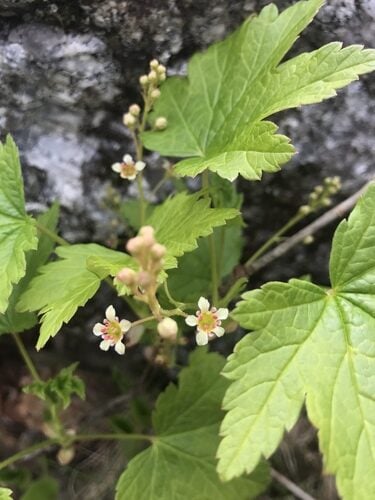
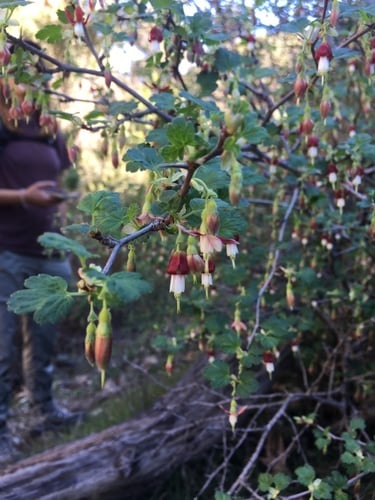
iNaturalist· cc-by-nc
(c) Matthieu Gauvain, some rights reserved (CC BY-NC), uploaded by Matthieu Gauvain
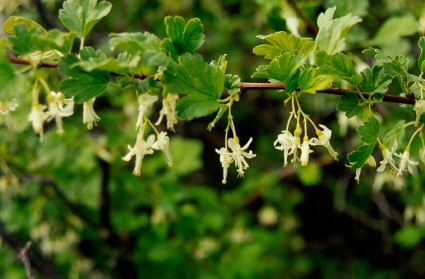
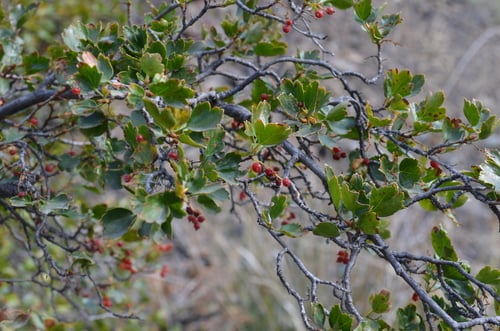
iNaturalist· cc-by-nc-nd
(c) David Carrera, some rights reserved (CC BY-NC-ND), uploaded by David Carrera
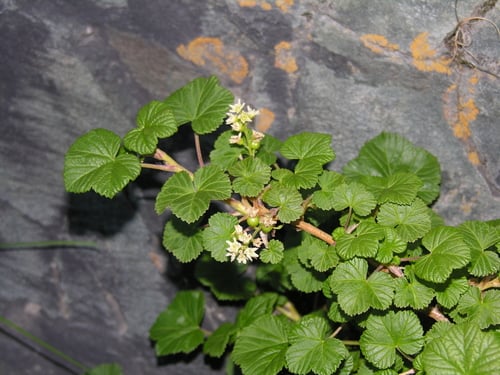
iNaturalist· cc-by
(c) Rafael Medina, some rights reserved (CC BY), uploaded by Rafael Medina
Summary
Source: WikipediaRibes petraeum, the rock currant, rock redcurrant, or Bieberstein's rock currant is a species of Ribes found in Europe.
Description
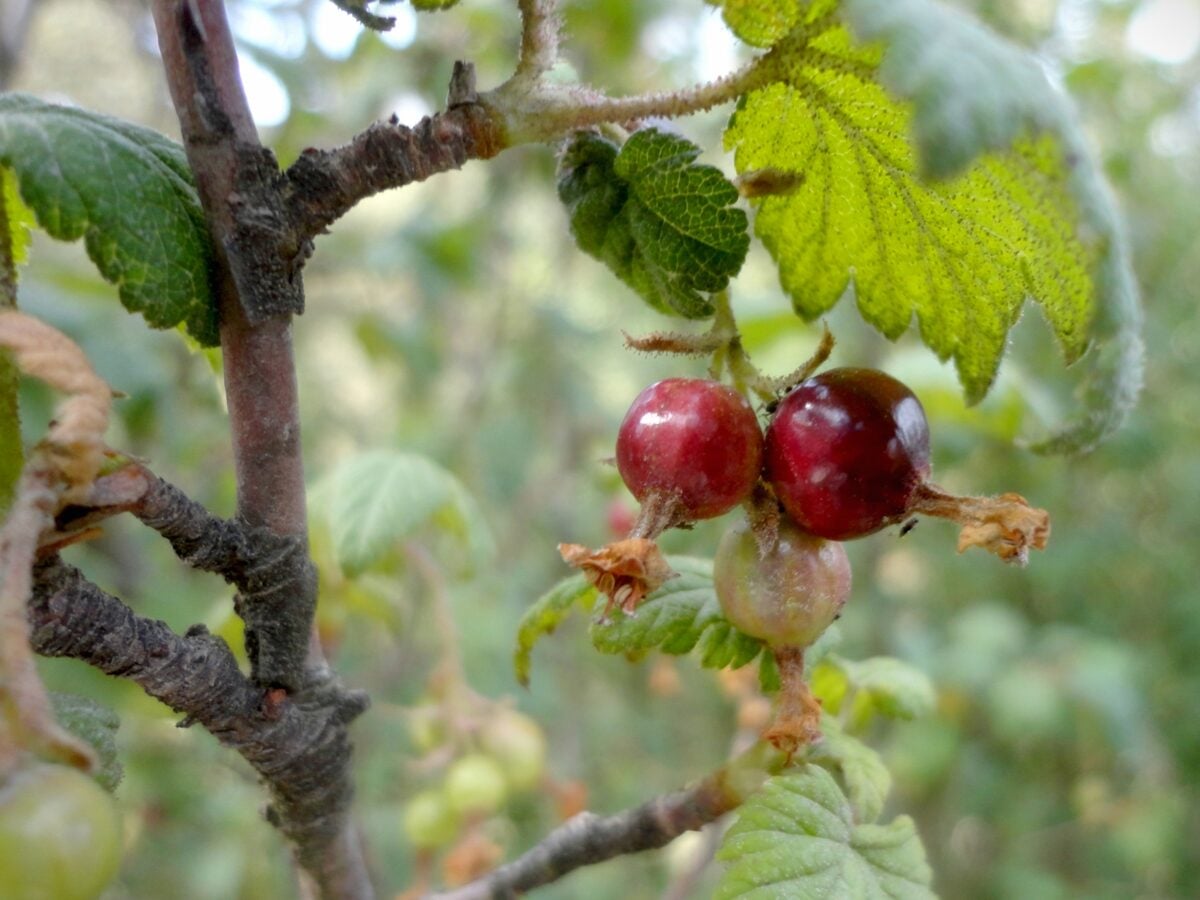
A shrub. It grows 2 m tall and does not have spines. The branches are stout. The flowers are red or pink and in groups 10 cm long. Fruit can be red or black.
Edible Uses
The fruit can be eaten raw or cooked in tarts, jams, jellies, and similar preparations. This red currant has a very acid flavour, though it becomes pleasantly tart when fully ripe. Most people will find it too sharp to eat in quantity straight from the bush, but it makes an excellent cooked fruit in jams and preserves. Its main drawback is the high number of seeds in each berry.
Traditional Uses
The fruit are eaten raw or in tarts, jams, jellies and preserves. The leaves are used for tea.
This uses section is brief — help expand it
Medicinal Uses
None known
Distribution
It is a temperate plant. It grows in the mountains in Europe.
Where It Grows
Africa, Asia, Balkans, Bosnia, Caucasus, Europe, Georgia, Hungary, North Africa, Siberia, Slovakia, Slovenia, Spain, Turkey, Türkiye,
Cultivation
Easily grown in a moisture retentive but well-drained loamy soil of at least moderate quality. Plants are quite tolerant of shade though do not fruit so well in such a position. Hardy to about -20°c. This is one of the species from which the cultivated forms of red currants have been derived. Plants can harbour a stage of white pine blister rust, so should not be grown in the vicinity of pine trees. Plants in this genus are notably susceptible to honey fungus.
Propagation
Seed is best sown as soon as it is ripe in autumn in a cold frame. Stored seed requires 3 months of cold stratification at between 0 and 5°c and should be sown as early in the year as possible. Under normal storage conditions seed can remain viable for 17 years or more. Prick out seedlings into individual pots when large enough to handle and grow on in a cold frame for their first winter, planting out in late spring the following year. Take cuttings of half-ripe wood, 10–15cm with a heel, in July or August in a frame. Cuttings of mature wood of the current year's growth, preferably with a heel of the previous year's growth, can be taken November to February in a cold frame or sheltered bed outdoors.
Other Uses
None known
Notes
There are about 150 Ribes species.
Synonyms
Also Known As
Amierganos, Borfuge, Hagharjeni, Kaya cecemi, Kvasnice, Motskhari, Ribizla
References (20)
- Bussman, R. W., et al, 2016, A comparative ethnobotany of Khevsureti, Samtskhe-Javakheti, Tusheti, Svaneti, and Racha-Lechkhumi, Republic of Georgia (Sakartvelo), Caucasus. Journal of Ethnobiology and Ethnomedicine (2016) 12:4 (As Ribes biebersteinii)
- Bussman, R. W. et al, 2017, Ethnobotany of Samtskhe-Javakheti, Sakartvelo (Republic of Georgia), Caucasus. Indian Journal of Traditional Knowledge Vol. 16(1) pp 7-24 (As Ribes biebersteinii)
- Bussman, R. W., et al, 2021, Unity in diversity—food plants and fungi of Sakartvelo (Republic of Georgia), Caucasus. Journal of Ethnobiology and Ethnomedicine (2021) 17:72 p 9 (As Ribes biebersteinii)
- Cerne, M., 1992, Wild Plants from Slovenia used as Vegetables. Acta Horticulturae 318
- Denes, A., et al, 2012, Wild plants used for food by Hungarian ethnic groups living in the Carpathian Basin. Acta Societatis Botanicorum Poloniae 81 (4): 381-396
Show all 20 references Hide references
- Ertug, F, Yenen Bitkiler. Resimli Türkiye Florası -I- Flora of Turkey - Ethnobotany supplement
- Glowinski, L., 1999, The Complete Book of Fruit Growing in Australia. Lothian. p 171
- Ill. Handb. Laubholzk. 1:404. 1905
- N. J. Jacquin, Misc. austriac. 2:36. 1781
- John, L., & Stevenson, V., 1979, The Complete Book of Fruit. Angus & Robertson p 251
- Keep, E., 1979, Currants, in Simmonds N.W.,(ed), Crop Plant Evolution. Longmans. London. p 145
- Kremer, B.P., 1995, Shrubs in the Wild and in Gardens. Barrons. p 141
- Luczaj, L., 2012, Ethnobotanical review of wild edible plants of Slovakia. Acta Societatis Botanicorum Poloniae 81(4):245-255
- Maghradze, D. et al, 2012, Minor and Underutilized Fruits in Georgia and Their Wild Relatives. In Acta Horticulturae Number 948 p 41-47 (As Ribes biebersteinii Berl.)
- Nanagulyan, S., et al, 2020, Wild plants and fungi sold in the markets of Yerevan (Armenia). Journal of Ethnobiology and Ethnomedicine 16:26
- Plants for a Future database, The Field, Penpol, Lostwithiel, Cornwall, PL22 0NG, UK. http://www.scs.leeds.ac.uk/pfaf/
- Postman, J. D., et al, 2012, Recent NPGS Coordinated Expeditions in the Trans-Caucasus Region to Collect Wild Relatives of Temperate Fruit and Nut Crops. In Acta Horticulturae Number 948 p 191-198
- Redzic, S. J., 2006, Wild Edible Plants and their Traditional Use in the Human Nutrition in Bosnia-Herzegovina. Ecology of Food and Nutrition, 45:189-232
- Tardio, J., et al, Ethnobotanical review of wild edible plants in Spain. Botanical J. Linnean Soc. 152 (2006), 27-71
- van Wyk, B., 2005, Food Plants of the World. An illustrated guide. Timber press. p 322