Raphanus landra
Moretti ex DC.
Radish, Landra, Italian radish
iNaturalist· cc-by-nc
(c) chanm5, some rights reserved (CC BY-NC)
iNaturalist· cc-by-nc
(c) jacem-, some rights reserved (CC BY-NC)
iNaturalist· cc-by-nc
(c) jltasset, some rights reserved (CC BY-NC)
Summary
Source: WikipediaAnnual plant reaching 0.8 m tall, not frost tender. Hermaphroditic flowers pollinated by bees and flies. Tolerates light sandy, medium loamy, and heavy clay soils across mildly acidic to basic pH ranges. Grows in semi-shade or full sun and prefers moist conditions.
Description
Annual plant reaching 0.8 m tall, not frost tender. Hermaphroditic flowers pollinated by bees and flies. Tolerates light sandy, medium loamy, and heavy clay soils across mildly acidic to basic pH ranges. Grows in semi-shade or full sun and prefers moist conditions.
Edible Uses
Young leaves can be eaten raw or cooked and have a somewhat hot taste. The flowers are edible raw and make a decorative, pleasantly spicy addition to salads. Young seedpods are eaten raw while still young — they are crisp and juicy but quickly turn tough and fibrous with age.
Medicinal Uses
None known
Distribution
It is a temperate plant.
Where It Grows
Britain, Europe, Italy, Mediterranean,
Cultivation
Prefers a rich soil with ample moisture. Dislikes very heavy soils.
Propagation
Sow seed in spring directly in situ. Germination should take place within 2 weeks.
Other Uses
None known
Synonyms
References (3)
- Hedrick, U.P., 1919, (Ed.), Sturtevant's edible plants of the world. p 548
- Plants for a Future database, The Field, Penpol, Lostwithiel, Cornwall, PL22 0NG, UK. http://www.scs.leeds.ac.uk/pfaf/
- Syst. nat. 2:668. 1821
More from Brassicaceae
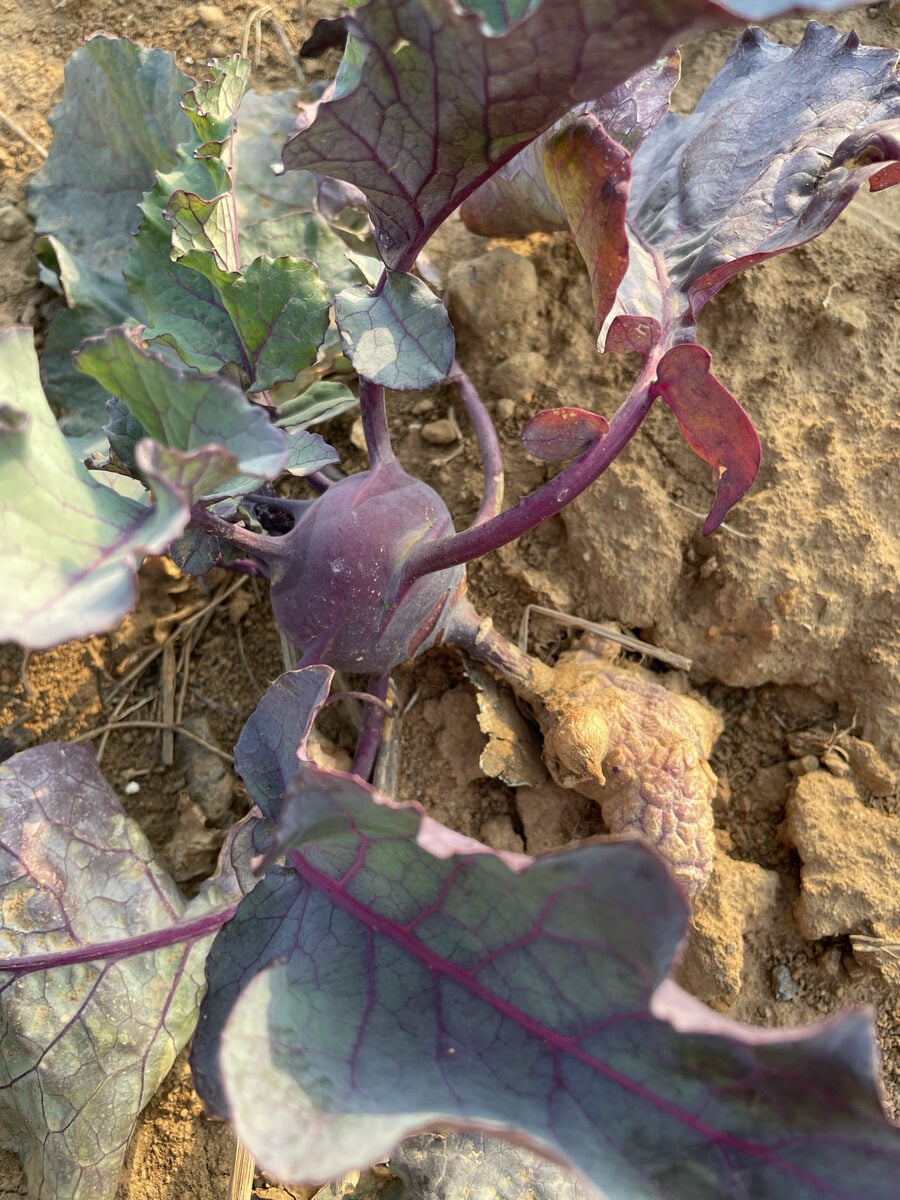
Brassica oleracea var. gongylodes
Kohl rabi
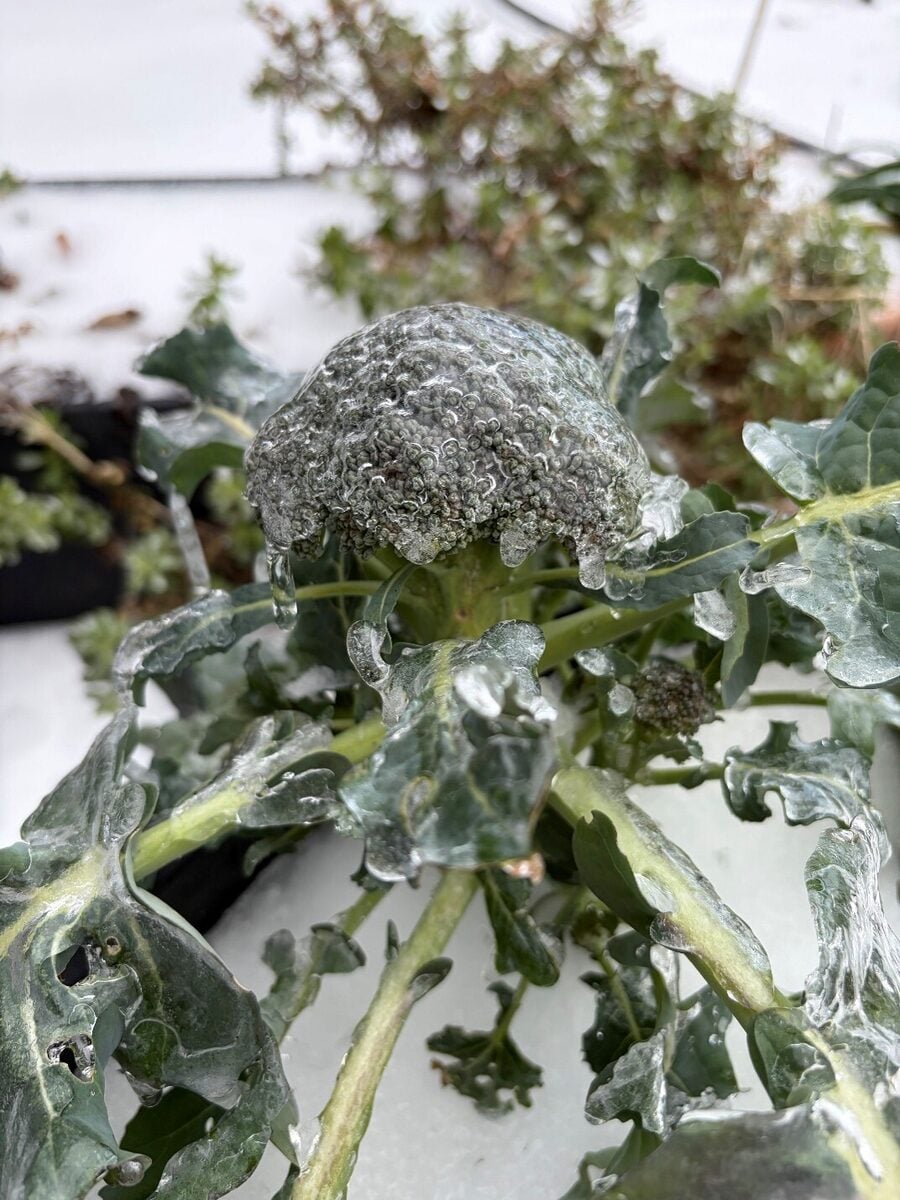
Brassica oleracea var. italica
Broccoli
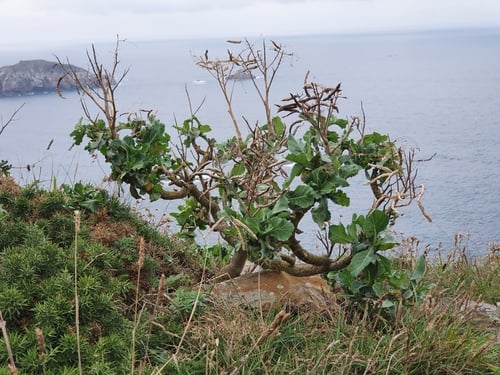
Brassica oleracea var. medullosa
Marrow stem kale
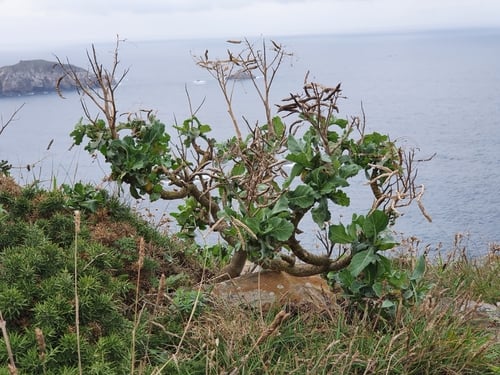
Brassica oleracea var. palmifolia
Jersey kale, Palm-tree kale, Lacinato kale
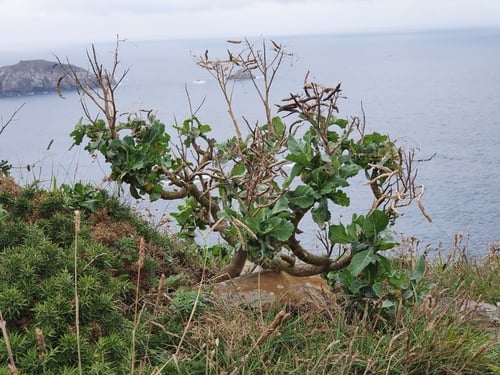
Brassica oleracea var. ramosa
Branching bush kale, Branching cabbage, Perennial kale, Thechri, Thousand-headed kale
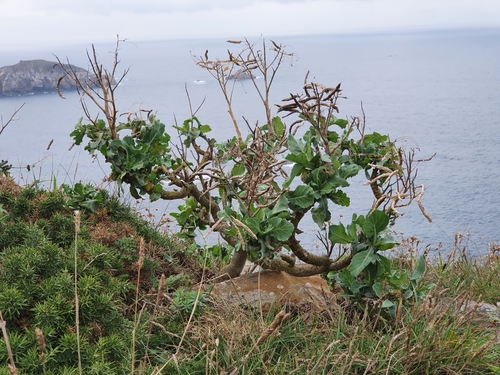
Brassica oleracea var. sabauda
Savoy Cabbage