Prunus simonii
(Decne) Carrière
Apricot plum, Plumcots, Simon's plum
Wikipedia· cc-by-sa
Wikimedia Commons - Prunus_simonii.png
wikimedia· cc0
Wikimedia Commons - G. Severeyn Revue horticole 1872. Copyright Status: Public domain. The BHL considers that this work is no longer under copyright protection
wikimedia· cc-by
Wikimedia Commons - Luomus, Museum botanicum University of Helsinki
Summary
Source: WikipediaPrunus simonii, called apricot plum and Simon plum, is a tree in the genus Prunus. It was first described by Elie-Abel Carrière in 1872 and is native to Hebei province, China. The species is not known in a truly wild state. It has been important for breeding commercial plum cultivars from crosses with other species of the genus Prunus. The species is named for Gabriel Eugène Simon (1829–1896), a French botanist and diplomat who sent pits to the Paris Museum in the early 1860s while he was representing the French government in China. Beginning about 1881, the species became commonly known in the United States; having been introduced there from France.
Description
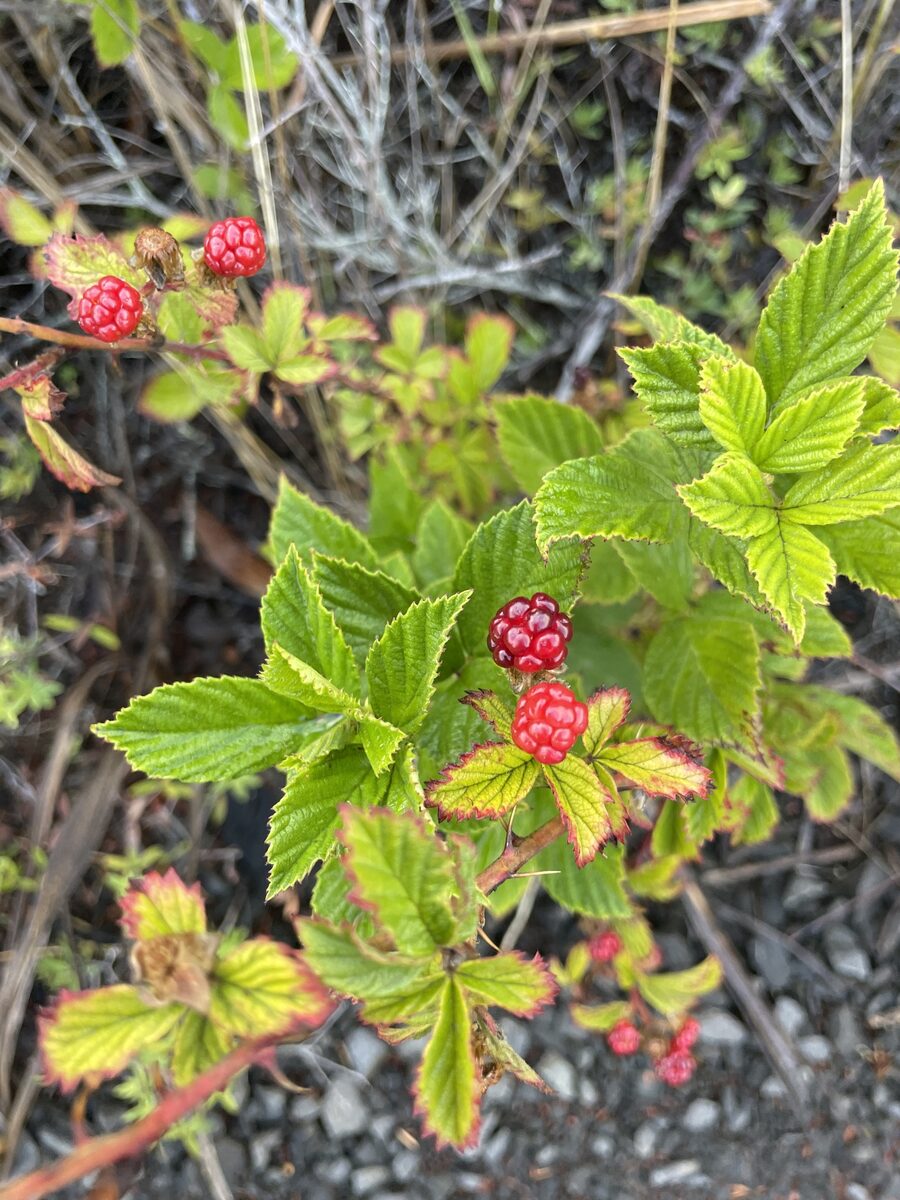
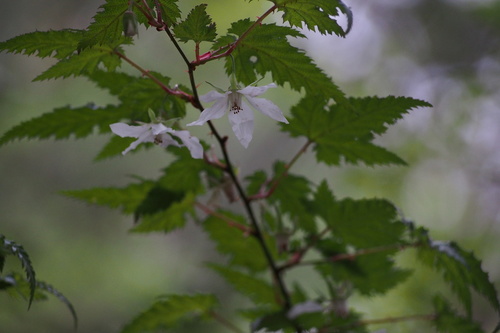
A small tree. It grows 5-8 m high. The leaves are broadly sword shaped and 7-10 cm long by 3-8 cm wide. The flowers are white and almost without stalks. There are 2-3 in a group. The fruit are red. There are many cultivated varieties.
Edible Uses
The fruit is fragrant, fleshy, aromatic, and generally very palatable, though quality varies considerably between individual trees — some bear agreeably flavoured fruit while others produce fruit that is harsh with an almond-like astringency. The fruit is a generous size, up to 60mm in diameter, and contains one large seed. It can be eaten raw or cooked. The seed is also edible raw or cooked, but should not be consumed if it tastes excessively bitter.
Traditional Uses
Some kinds have fruit that can be eaten. The ripe fruit and seeds are eaten.
This uses section is brief — help expand it
Medicinal Uses
No specific research has been recorded for this species, but all Prunus members contain amygdalin and prunasin, which break down in water to release hydrocyanic acid (prussic acid or cyanide). In small amounts, this highly toxic compound can stimulate respiration, aid digestion, and produce a sense of well-being.
Known Hazards
Although no specific mention has been seen for this species, it belongs to a genus where most, if not all members of the genus produce hydrogen cyanide, a poison that gives almonds their characteristic flavour. This toxin is found mainly in the leaves and seed and is readily detected by its bitter taste. It is usually present in too small a quantity to do any harm but any very bitter seed or fruit should not be eaten. In small quantities, hydrogen cyanide has been shown to stimulate respiration and improve digestion, it is also claimed to be of benefit in the treatment of cancer. In excess, however, it can cause respiratory failure and even death.
Distribution
Temperate. It grows naturally in Hebei province in China. In Northeastern India it grows between 2,100-2,200 m above sea level.
Where It Grows
Asia, Central Asia, China*, Europe, France, India, Japan, North America, Northeastern India, Tajikistan,
Cultivation
Thrives in a well-drained moisture-retentive loamy soil, growing well on limestone. Prefers some lime in the soil but is likely to become chlorotic if too much is present. Requires a sunny position. Grows well in damp climates but the fruit is then inclined to rot. This species rarely fruits well in Britain due to the flowers being damaged by frosts. There is a hybrid with P. salicina that has frost-resistant fruits, one of the cultivars selected from this hybridization is called 'Kara'. A rather old looking tree at Cambridge Botanical Gardens was only 2.5 metres tall and looking very unhealthy in 1989. It was bearing a few fruits in the September of that year after a very hot summer. The tree was not seen in a visit in 1993. Much cultivated in China for its edible fruit, there are mant named varieties. The plant is widely used in breeding programmes, especially with P. salicina, for improved fruiting cultivars. Most members of this genus are shallow-rooted and will produce suckers if the roots are damaged. Plants in this genus are notably susceptible to honey fungus.
Propagation
Seed requires 2–3 months of cold stratification and is best sown in a cold frame as soon as it is ripe. Stored seed should be sown in a cold frame as early in the year as possible, with protection from mice. Germination can be slow, sometimes taking up to 18 months. Prick out seedlings into individual pots when large enough to handle, overwinter in a greenhouse or cold frame, and plant out in late spring or early summer the following year. Cuttings of half-ripe wood with a heel can be taken in July/August in a frame. Softwood cuttings from vigorous plants can be taken in spring to early summer in a frame. Layering can be done in spring.
Other Uses
A green dye can be extracted from the leaves, and the fruit yields a dark grey to green dye.
Other Information
It is a cultivated food plant.
Notes
There are about 200 Prunus species. This tree may be a hybrid.
Synonyms
Also Known As
Glae, Xingli
References (15)
- Arora, R. K., 2014, Diversity in Underutilized Plant Species - An Asia-Pacific Perspective. Bioversity International. p 83
- Facciola, S., 1998, Cornucopia 2: a Source Book of Edible Plants. Kampong Publications, p 204
- Flora of China. Vol. 9, p 401
- Flowerdew, B., 2000, Complete Fruit Book. Kyle Cathie Ltd., London. p 184
- Hedrick, U.P., 1919, (Ed.), Sturtevant's edible plants of the world. p 529
Show all 15 references Hide references
- Hu, Shiu-ying, 2005, Food Plants of China. The Chinese University Press. p 447
- Plants for a Future, The Field, Penpol, Lostwithiel, Cornwall, PL22 0NG, UK. http://www.scs.leeds.ac.uk/pfaf/
- Rev. Hort. 44:111. 1872
- Small, E., 2009, Top 100 Food Plants. The world's most important culinary crops. NRC Research Press. p 435
- Tsering, J., et al, 2017, Ethnobotanical appraisal on wild edible plants used by the Monpa community of Arunchal Pradesh. Indian Journal of Traditional Knowledge. Vol 16(4), October 2017, pp 626-637
- Valder, P., 1999, The Garden Plants of China. Florilegium. p 116
- Wiersema, J. H. & Leon, B., 2013, World Economic Plants. A Standard Reference CRC Press. 2nd Ed. p 565
- World Checklist of Useful Plant Species 2020. Royal Botanic Gardens, Kew
- www.efloras.org Flora of China Volume 9
- Zeven, A. C. & de West, J. M. J., 1982, Dictionary of cultivated plants and their regions of diversity. Wageningen. p 41