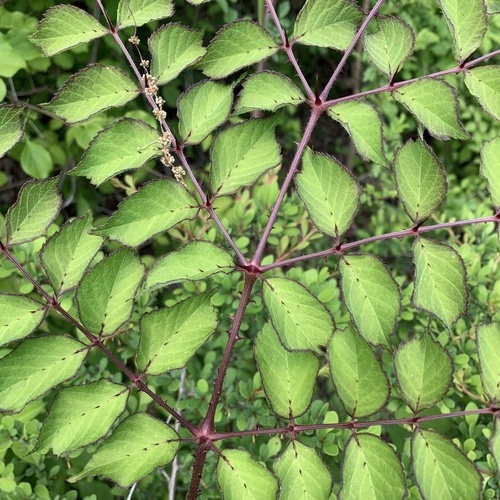
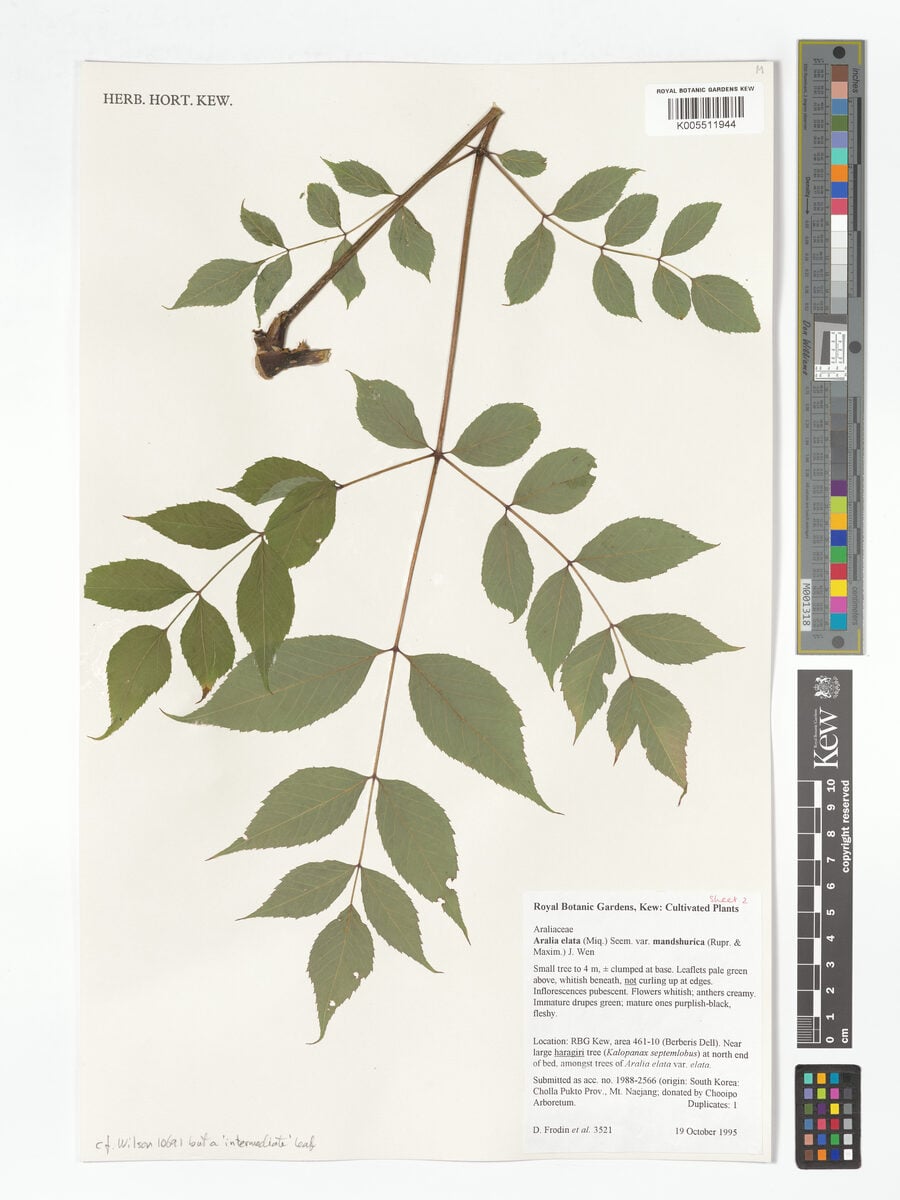
Polyscias cumingiana
(C. Presl) Fern.-Vill.
Fern-leaf aralia, Fern-leaf panax
iNaturalist· cc-by-nc-sa
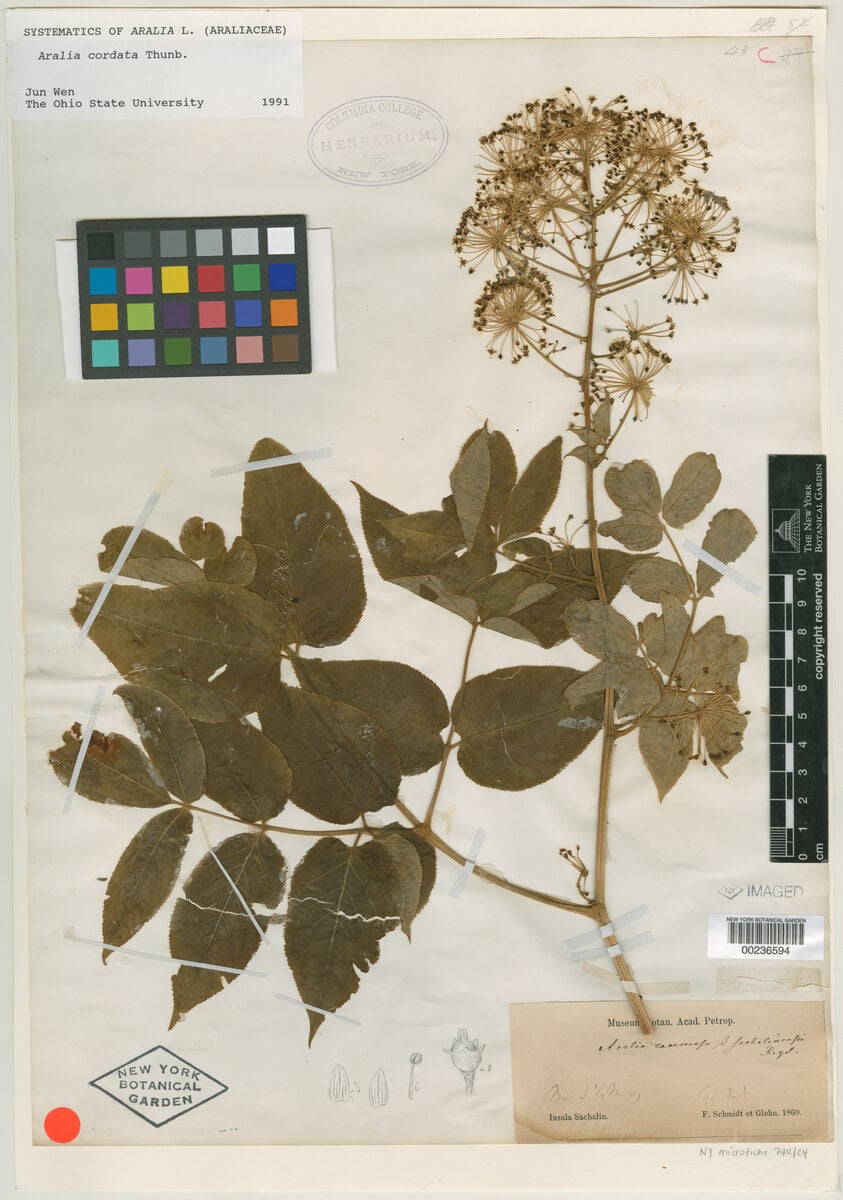
(c) Smithsonian Institution, National Museum of Natural History, Department of Botany,保留部分权利(CC BY-NC-SA)
wikimedia· cc-by-sa
Wikimedia Commons - Mokkie
wikimedia· cc-by
Wikimedia Commons - Forest & Kim Starr
Description
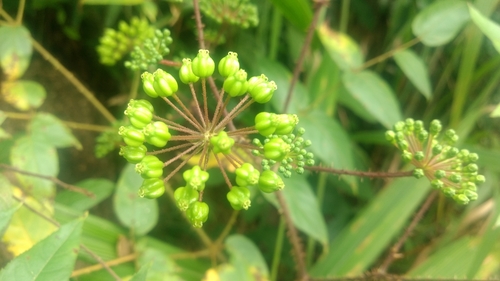
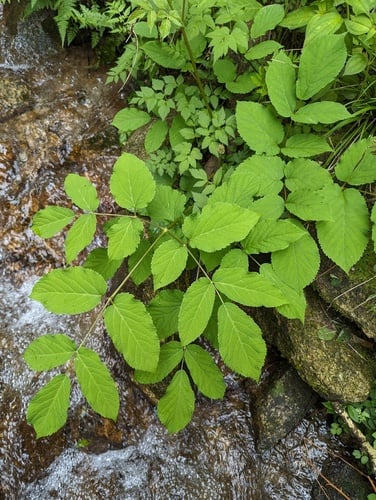
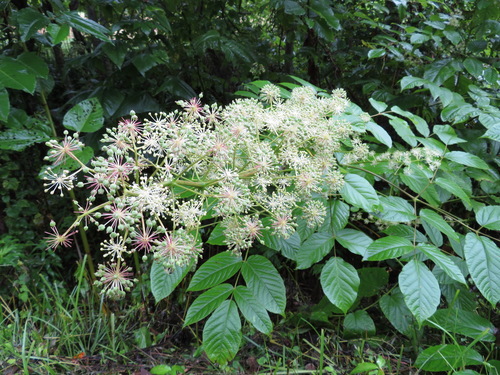
A shrub or small tree. It grows 2-5 m high. The leaves are alternate and they are divided into leaflets along the stalk. The leaves are 50-100 cm long by 6-12 cm wide. There is a sheath base. The leaflet shapes can vary even on the one plant. The flowers are in a large branched group at the end of the stalk.
Edible Uses
Young leaves are boiled and eaten, often cooked together with meat or fish.
Traditional Uses
The young leaves are boiled and eaten. They are often cooked with meat or fish.
This uses section is brief — help expand it
Distribution
A tropical plant. It grows in tropical rainforests and secondary growth. It is usually grown at low altitudes but can be up to 1700 m altitudes.
Where It Grows
Asia, China, East Timor, Fiji, Indonesia, Malaysia, Marquesas, Nauru, New Caledonia, Pacific*, Papua New Guinea, PNG, SE Asia, Timor-Leste, Vanuatu,
Cultivation
Plants can be grown from seeds. It is easily grown from cuttings. It can be used as a hedge.
Propagation
Seed - Cuttings of softwood. Leafless stem sections during the growing season. Air-layering.
Other Uses
Widely cultivated from Malaysia to the SW Pacific as a hedge plant. This species produces few, if any, side branches, so it seems strange to use it as a hedge plant - the report is quite possible referring to P. Filicifolia, a distinct species that has sometimes been included in this species.
Other Information
It is cultivated.
Notes
There are about 100 Polyscias species.
Synonyms
Also Known As
Lautagitagi, Pohon daun grisik
References (11)
- Bradacs, G., 2008, Ethnobotanical Survey and Biological Screening of Medicinal Plants from Vanuatu. PhD thesis Frankurt University. p 101
- Conn, B.J., (Ed.) 1995, Handbooks of the Flora of Papua New Guinea. Vol 3. Melbourne University Press. p 30
- http://palaeoworks.anu.edu.au/Nuno_PhD/04.pdf re Timor
- Nov. app. 102. 1880
- Ochse, J.J. et al, 1931, Vegetables of the Dutch East Indies. Asher reprint. p 66 (As Nothopanax pinnatum)
Show all 11 references Hide references
- Peekel, P.G., 1984, (Translation E.E.Henty), Flora of the Bismarck Archipelago for Naturalists, Division of Botany, Lae, PNG. p 421, 420
- Smith, A.C., 1985, Flora Vitiensis Nova, Lawaii, Kuai, Hawaii, Volume 3 p 639
- Sukarya, D. G., (Ed.) 2013, 3,500 Plant Species of the Botanic Gardens of Indonesia. LIPI p 466
- Walter, A. & Lebot, V., 2007, Gardens of Oceania. ACIAR Monograph No. 122. p 171
- World Checklist of Useful Plant Species 2020. Royal Botanic Gardens, Kew
- Zeven, A. C. & de West, J. M. J., 1982, Dictionary of cultivated plants and their regions of diversity. Wageningen. p 50