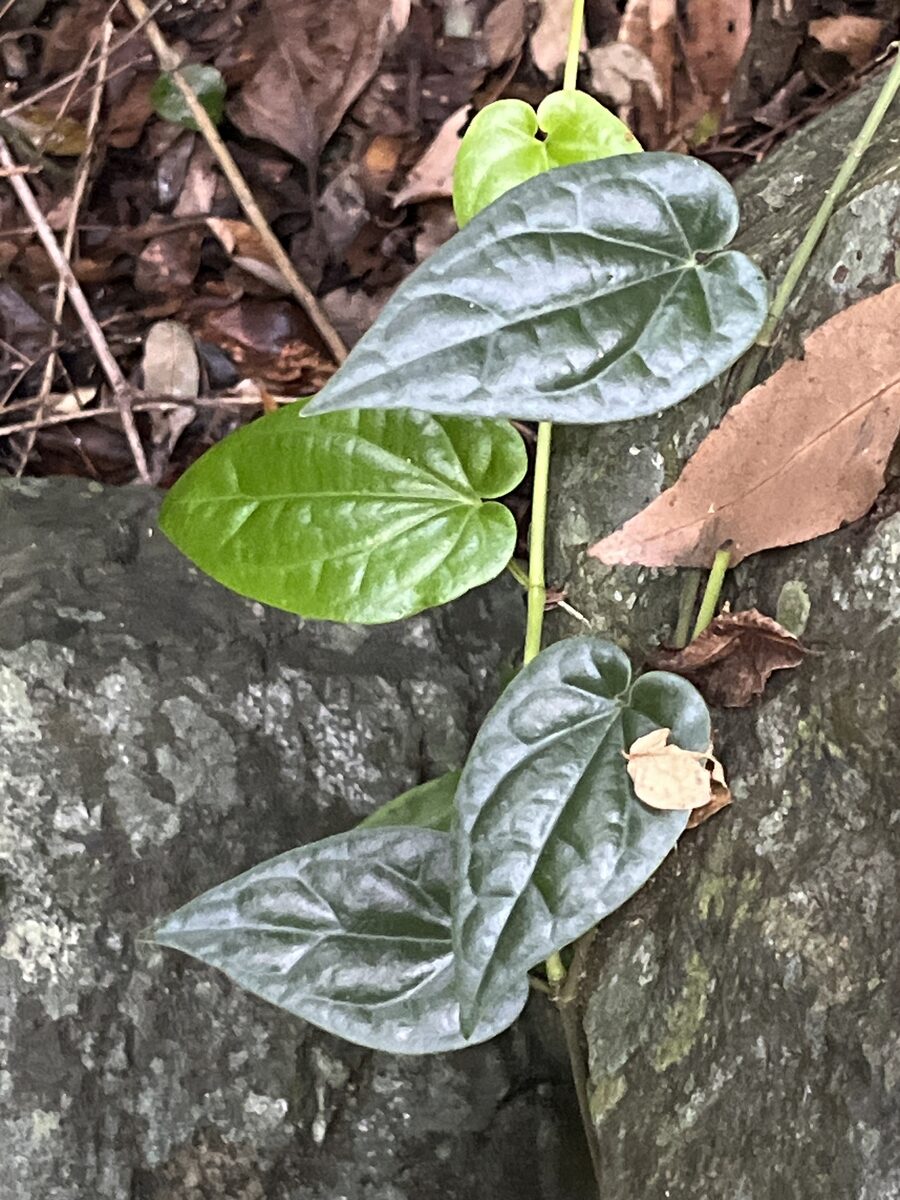
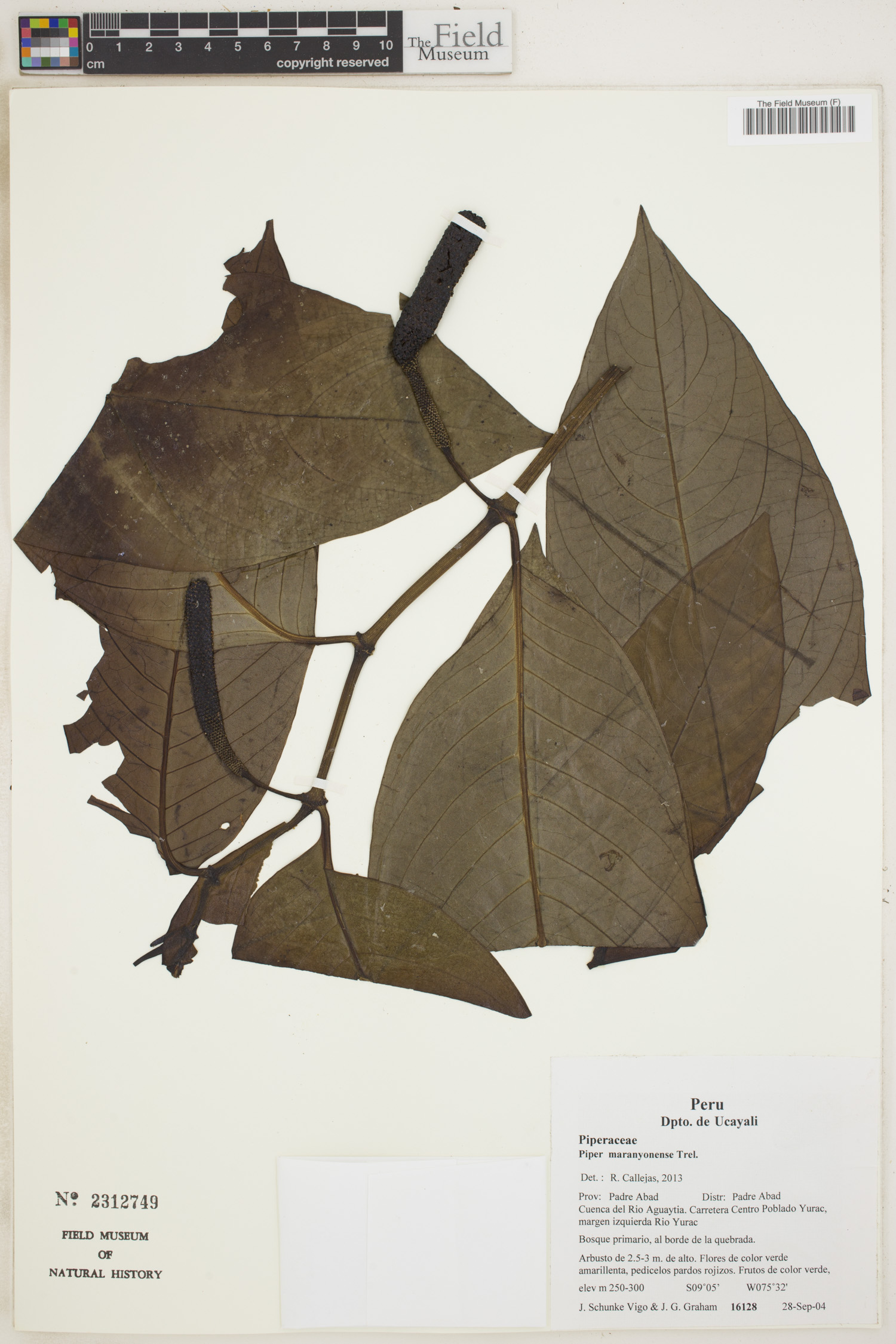
Piper umbellatum var. subpeltatum
L., (Willd.) C.DC.
Kuramba
iNaturalist· cc-by-nc
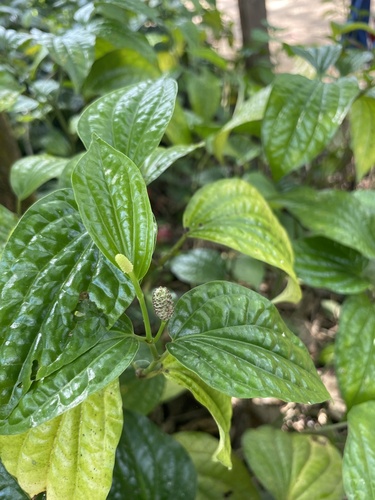
(c) Han-Ting Liu, some rights reserved (CC BY-NC), uploaded by Han-Ting Liu
iNaturalist· cc-by-nc
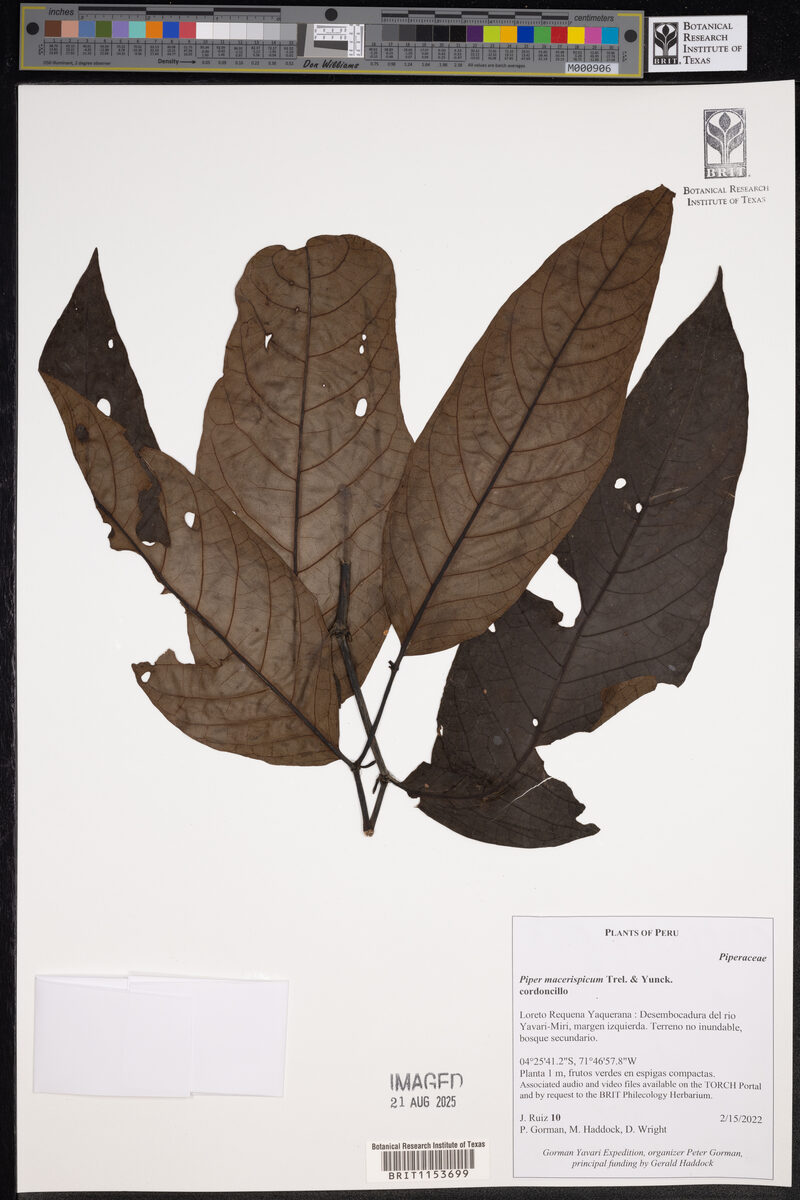
(c) Yolanda M. Leon, some rights reserved (CC BY-NC), uploaded by Yolanda M. Leon
iNaturalist· cc-by
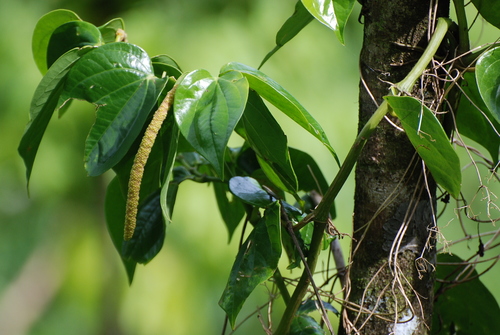
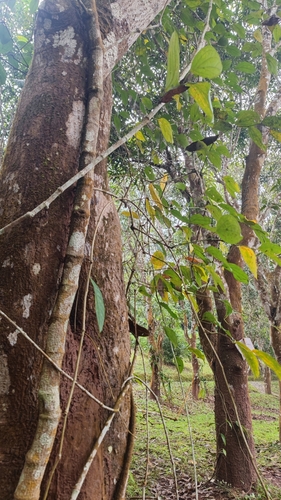
(c) Grete Pasch, some rights reserved (CC BY), uploaded by Grete Pasch
Summary
Source: WikipediaPiper umbellatum, commonly known as cow-foot leaf, is a species of pepper plant native to the Americas, including Mexico, Central America, the Caribbean, and tropical regions of South America. It has been widely naturalized in other tropical regions of the world.
Description
A small woody plant or herb. It grows 2 m tall. The leaves are large alternate, thin, and heart shaped. They are 16-32 cm long and 17-38 cm wide. The flowers are very small, densely crowded on equal length stalks from a common centre. These spikes are about 10 cm long. The fruit is a multiple fruit and green.
Edible Uses
Parts of the plant is edible, commonly the young leaves and flowers are eaten steamed as a vegetable. The fruit can be eaten when ripe, and the bark can be used as a condiment. In the Philippines, where the plant has been introduced, it is used to wrap a steamed shrimp and grated coconut dish known as pinais. The plant that has been traditionally used in folk remedies for digestive and liver-related maladies. In 2002, a research group based at the Tokyo Medical and Dental University discovered antibacterial properties of the plant specific to Helicobacter pylori. Two years later in laboratory testing at the Pharmaceutical Sciences College (FCF) of the University of São Paulo, molecules found within the plant were demonstrated to have UVB-protective properties. For its medicinal and cosmetic promise, the Brazilian pharmaceutical company Natura obtained exclusive marketing rights to products developed from the plant.
Traditional Uses
The young leaves and flowers are boiled to flavour fish dishes.
This uses section is brief — help expand it
Distribution
A tropical plant. They occur in northern Luzon to southern Philippines.
Where It Grows
Asia, Australia, Pacific, Papua New Guinea, PNG, Philippines, SE Asia,
Notes
There are between 1000-2000 Piper species. They are mostly in the tropics.
Synonyms
References (4)
- Brown, W.H., 1920, Wild Food Plants of the Philippines. Bureau of Forestry Bulletin No. 21 Manila. p 31
- Cooper, W. and Cooper, W., 2004, Fruits of the Australian Tropical Rainforest. Nokomis Editions, Victoria, Australia. p 399
- Monsalud, M.R., Tongacan, A.L., Lopez, F.R., & Lagrimas, M.Q., 1966, Edible Wild Plants in Philippine Forests. Philippine Journal of Science. p 530
- Peekel, P.G., 1984, (Translation E.E.Henty), Flora of the Bismarck Archipelago for Naturalists, Division of Botany, Lae, PNG. p 130, 128