Anchusa aegyptiaca
DC.
Debbouna, Choubet, Sheikh el boukoul, Ialma, Chandjar, Hamricha, Tirhounam, Sahtour, Eastern Anchusa
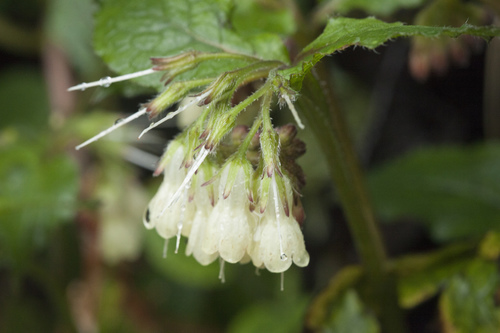
iNaturalist· cc-by-nc
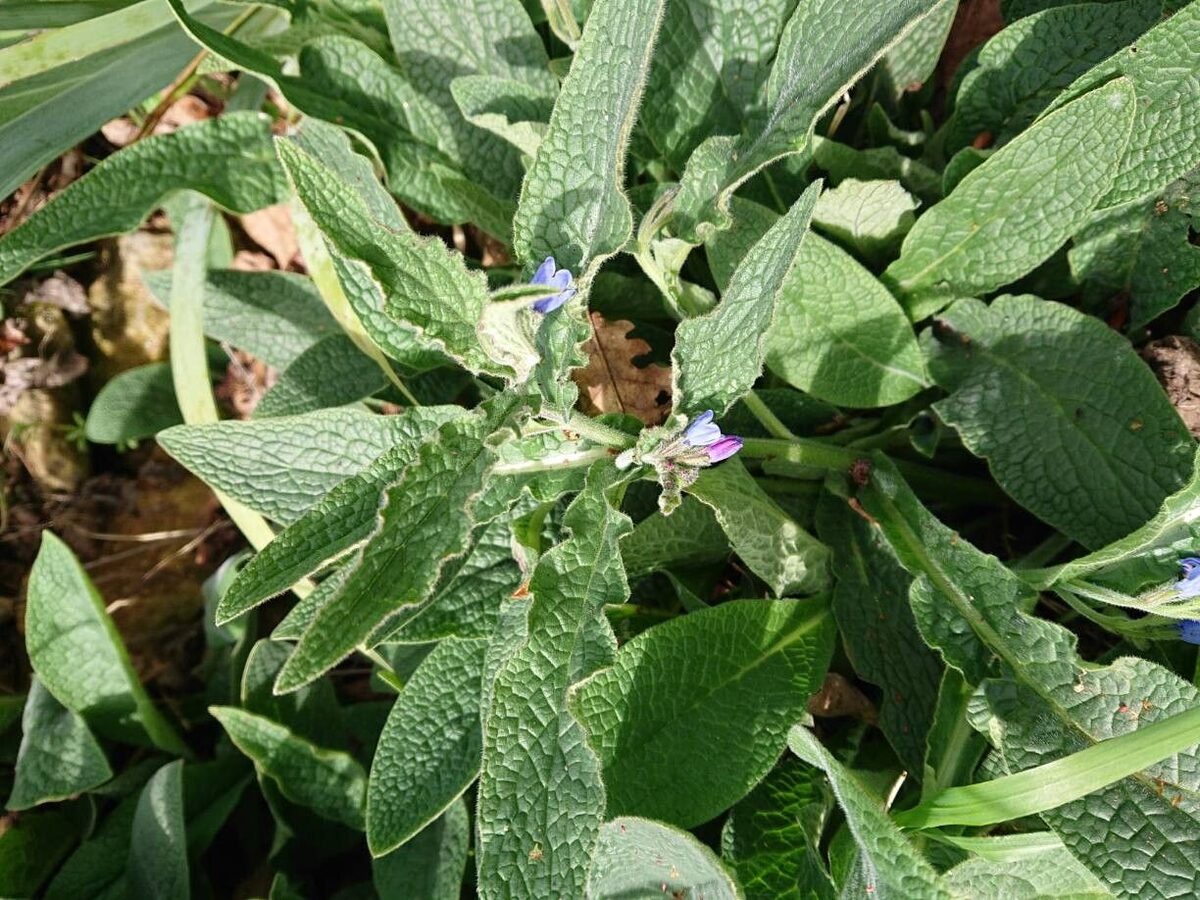
(c) Ron Frumkin, some rights reserved (CC BY-NC), uploaded by Ron Frumkin
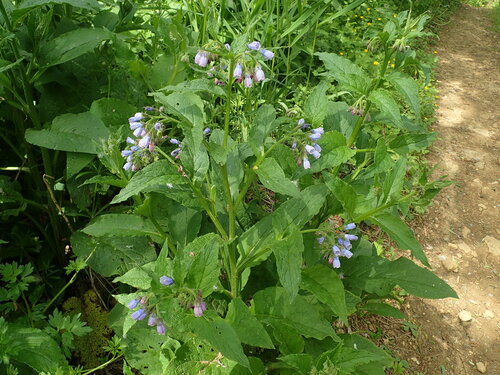
iNaturalist· cc-by-nc
(c) Ron Frumkin, some rights reserved (CC BY-NC), uploaded by Ron Frumkin
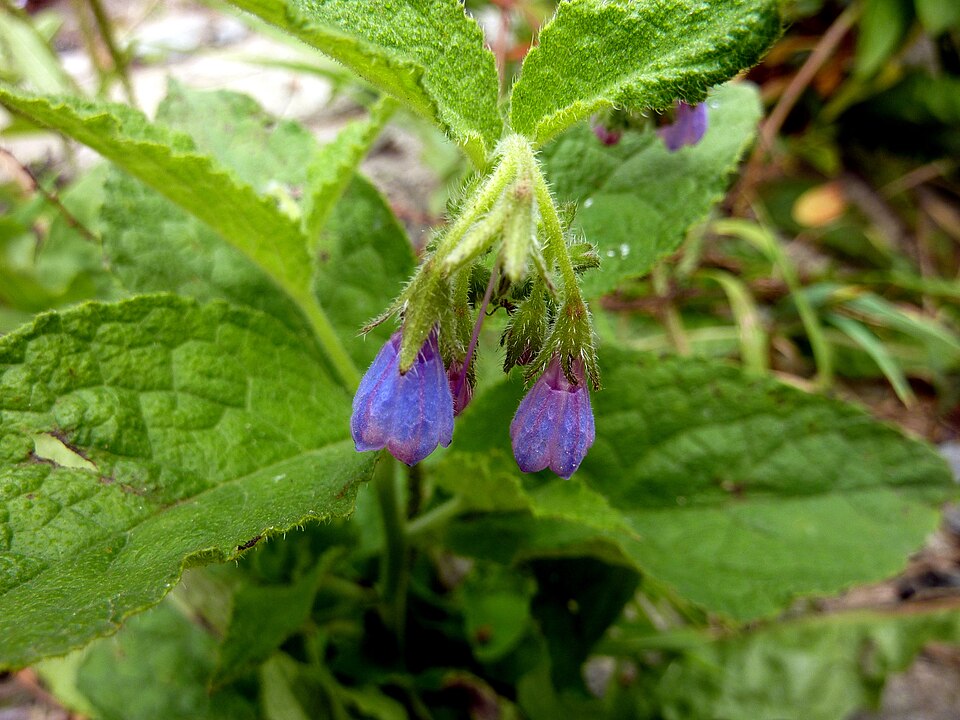
iNaturalist· cc-by-nc
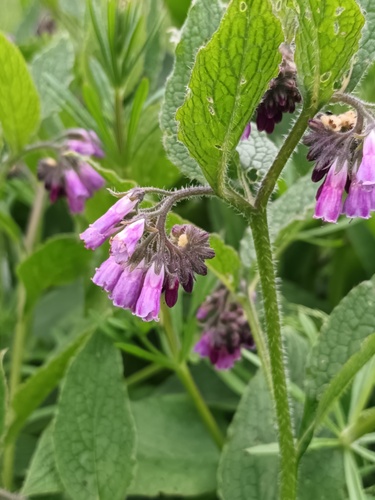
(c) Yuval, some rights reserved (CC BY-NC), uploaded by Yuval
Description
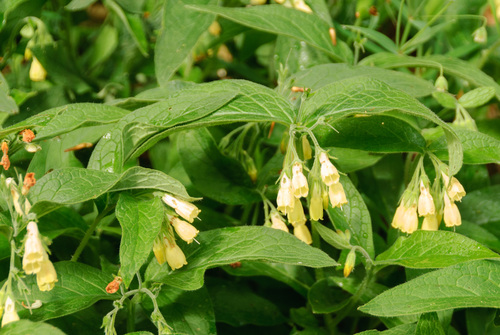
A low bristly annual herb. The stems lie along the ground or curve upwards. The leaves are oval or sword shaped. The leaf edges have teeth and are wavy. The lower leaves have a grooved stalk. The upper leaves do not have leaf stalks. They partly clasp the stem. The flowers are pale yellow. They are 4-6 mm long. There are leaf-like bracts below each flower.
Edible Uses
The young leaves are mixed with wild sorrel and eaten in soup.
Traditional Uses
The young leaves mixed with those of wild sorrel and eaten in soup.
This uses section is brief — help expand it
Distribution
A Mediterreanean climate plant. It grows on cultivated, waste and fallow ground and can be on dry hillsides and in sandy coastal habitats.
Where It Grows
Africa, Europe, Greece, Mediterranean, North Africa, Tunisia, Turkey, Türkiye,
Notes
There are about 25-35 Anchusa species.
References (3)
- Blamey, M and Grey-Wilson, C., 2005, Wild flowers of the Mediterranean. A & C Black London. p 386
- BOUQUET
- Rivera, D. et al, 2006, Gathered Mediterranean Food Plants - Ethnobotanical Investigations and Historical Development, in Heinrich M, Müller WE, Galli C (eds): Local Mediterranean Food Plants and Nutraceuticals. Forum Nutr. Basel, Karger, 2006, vol 59, pp 18–74