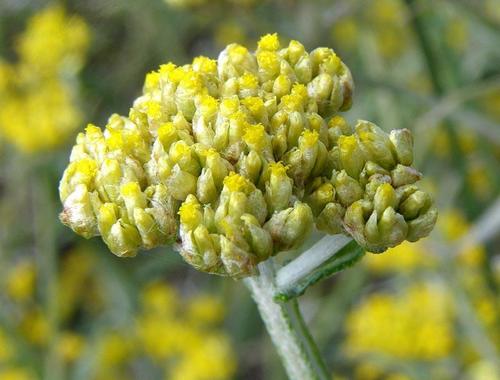
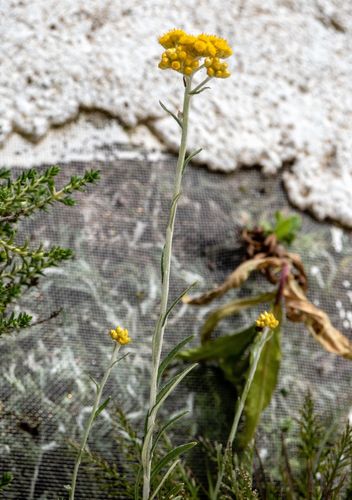
Petasites palmatus
Ase Gray
Palmate butterbur, Sweet coltsfoot
iNaturalist· cc-by-nc
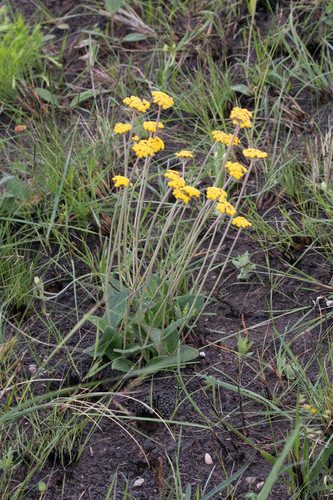
(c) mhays, some rights reserved (CC BY-NC)
iNaturalist· cc-by-nc
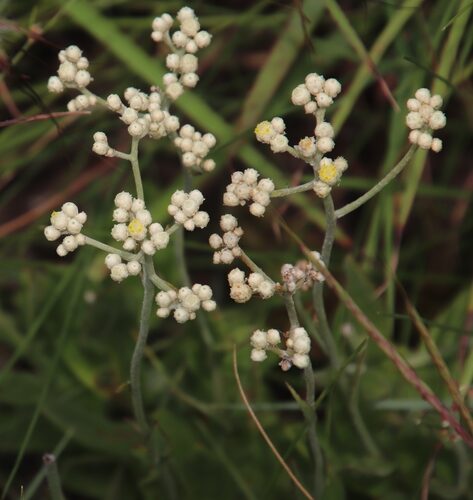
(c) mhays, some rights reserved (CC BY-NC)
iNaturalist· cc-by-nc
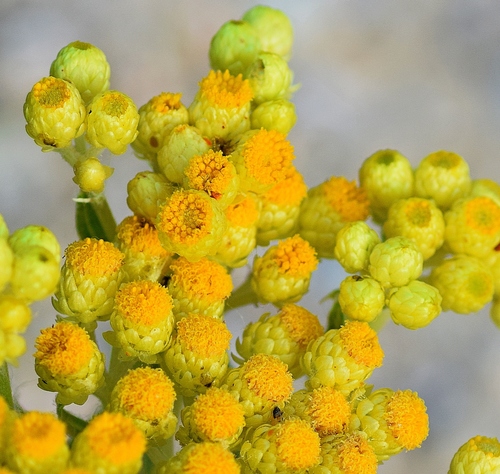
(c) mhays, some rights reserved (CC BY-NC)
Summary
A fast-growing perennial reaching 0.4 m tall and 1 m wide. Dioecious species flowering February to April with seeds ripening in April. Thrives in light, medium, or heavy soils across mildly acidic to basic pH ranges. Tolerates full shade to full sun but prefers moist or wet conditions.
Description
A fast-growing perennial reaching 0.4 m tall and 1 m wide. Dioecious species flowering February to April with seeds ripening in April. Thrives in light, medium, or heavy soils across mildly acidic to basic pH ranges. Tolerates full shade to full sun but prefers moist or wet conditions.
Edible Uses
Young flower stalks, harvested before the flower buds appear, are boiled until tender and seasoned with salt. The flower buds are also eaten cooked. Leaf stalks can be peeled and eaten raw. The ash of the plant is used as a salt substitute: while still green, the stems and leaves are rolled into balls, carefully dried, then burned on top of a very small fire on a rock.
Traditional Uses
The young flower stalks before the flowers appear are boiled and seasoned with salt and butter. The flower buds are cooked and eaten. The leaf stalks are peeled and eaten. Ash of the plant is used as a substitute for salt.
Medicinal Uses
The roots have been used to treat the early stages of grippe and consumption. Dried and grated roots have been applied as a dressing on boils, swellings, and running sores. An infusion of crushed roots has been used as a wash for sore eyes. A syrup for treating coughs and lung complaints has been prepared by combining the roots of this species with mullein (Verbascum sp.) and plum root (Prunus sp.).
Known Hazards
None listed
Distribution
It is a temperate plant.
Where It Grows
North America, USA,
Propagation
Sow seed in a cold frame as soon as it is ripe or in early spring, covering only lightly and keeping the compost moist. Prick seedlings into individual pots when large enough to handle and plant out in summer. Division succeeds at almost any time of year. Larger divisions can go directly into permanent positions; smaller ones are better potted up and grown on in light shade in a cold frame until well established, then planted out in late spring or early summer.
Other Uses
None known
References (6)
- Beckstrom-Sternberg, Stephen M., and James A. Duke. "The Foodplant Database." http://probe.nalusda.gov:8300/cgi-bin/browse/foodplantdb.(ACEDB version 4.0 - data version July 1994)
- Bremness, L., 1994, Herbs. Collins Eyewitness Handbooks. Harper Collins. p 201
- Facciola, S., 1998, Cornucopia 2: a Source Book of Edible Plants. Kampong Publications, p 41
- Lim, T. K., Edible Medicinal and Non-Medicinal Plants Volume 7 Flowers
- Martin, F.W. & Ruberte, R.M., 1979, Edible Leaves of the Tropics. Antillian College Press, Mayaguez, Puerto Rico. p 185
Show all 6 references Hide references
- Tanaka,