Paullinia cupana
H. B. Kunth
Guarana, Cupana, Fruits of youth
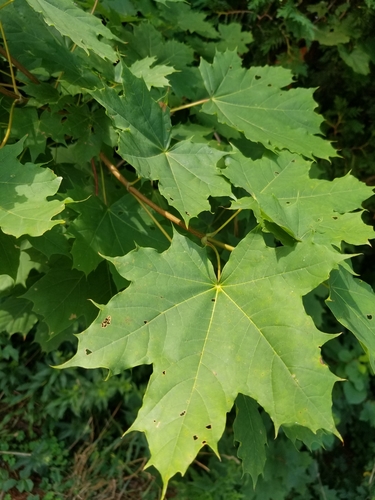
iNaturalist· cc-by
(c) Geoff Gallice, some rights reserved (CC BY)
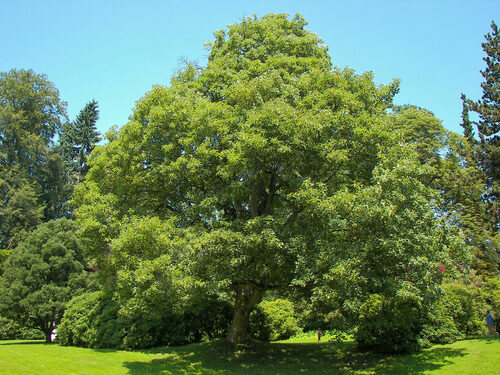
iNaturalist· cc-by-nc
(c) Carlos F Rodríguez, some rights reserved (CC BY-NC), uploaded by Carlos F Rodríguez
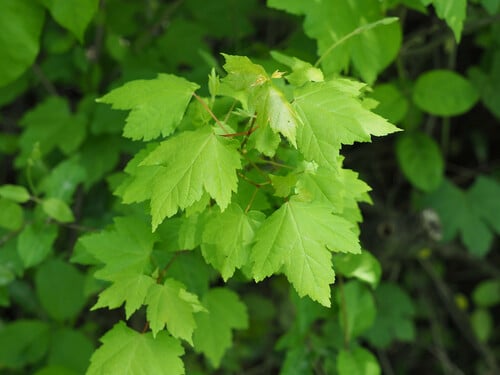
iNaturalist· cc-by-nc-sa
(c) Camilla Botelho, some rights reserved (CC BY-NC-SA), uploaded by Camilla Botelho
Summary
Source: WikipediaAn evergreen climbing vine reaching 10 m tall and 1 m wide at a medium growth rate. Hardy to UK zone 10. The vine grows in light sandy, medium loamy, or heavy clay soils with good drainage, tolerating mildly acidic through mildly alkaline pH. It thrives in semi-shade or full sun and prefers moist conditions. Bee-pollinated flowers are followed by fruit containing the edible seeds.
Description
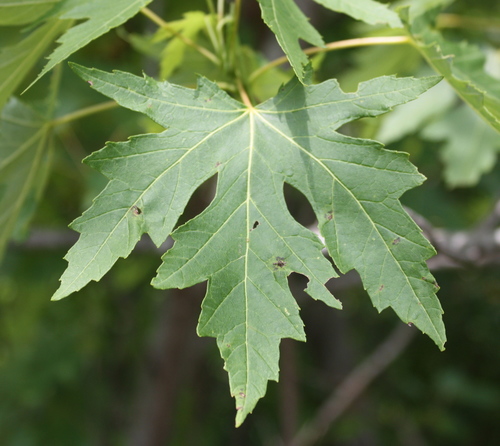
A creeping or climbing shrub. It can grow to 13 m high. it is often 1.8-3 m tall and spreads 3-6 m wide. Leaves contain 5 leaflets. They are irregularly compound. There are coiled tendrils which support the plant. The flowers are small and white with male and female flowers separate but on the same tree. The fruit are small and bright red. Fruit split open when ripe. The seeds are large and black and encased in a thin white pulp.
Edible Uses
The roasted, pounded seed is made into a paste used to prepare a stimulating beverage rich in caffeine. The sweetened paste, known as Brazilian chocolate, is used in soft drinks and candy. The seeds contain 2.7–7% caffeine as well as the stimulants theophylline and theobromine, and up to 7% of a caffeine-like compound called guaranine, which is not addictive and is metabolized more slowly than caffeine, producing a gentler, more sustained stimulating effect. The seeds are also roasted, pounded, and used as a flavouring in bread.
Traditional Uses
The seeds are extracted and roasted and used as a stimulant. It contains caffeine. The seeds are roasted for several hours then beaten into a paste and smoked for about 2 months before being ground in a powder. It is used as a stimulant in water and used to flavour drinks. They are used as the base for a drink called guarana.
Medicinal Uses
Guarana seed contains xanthine derivatives including up to 7% caffeine, plus theobromine and theophylline, as well as tannins and saponins. It is an astringent, bitter, diuretic herb with a strong stimulant effect. The seed is said to be antipyretic, antineuralgic, and antidiarrhoeal, and is reputed to be a powerful stimulant, an analgesic comparable to aspirin, and an anti-influenza agent. Rainforest tribes have used guarana primarily as a stimulant, astringent, and treatment for chronic diarrhoea. The powdered seed is taken internally to relieve fatigue, aid concentration, and lift the spirits. It is also taken internally for chronic diarrhoea, headaches and migraine, and mild depression. One report notes that overuse can cause sleeplessness, though less so than caffeine-based drinks. It is considered a useful short-term remedy for boosting energy levels, but tends to inhibit the body's natural restorative processes if used long-term.
Known Hazards
In the United States, guaraná fruit powder and seed extract have not been evaluated for the status of "generally recognized as safe" (GRAS) by the Food and Drug Administration, but rather are approved as food additives for flavor (but not non-flavor) uses.
Distribution
A tropical plant. It grows in the Amazon rainforest. It is along the Madeira and Tapajos rivers. It grows in regions with a rainfall of 2,200-2,500 m altitude. The temperatures average 28°-29°C. It must have a temperature above 12°C. It suits hardiness zones 11-12.
Where It Grows
Amazon, Argentina, Australia, Brazil*, Colombia, Ecuador, Guyana, Mexico, North America, Peru, SE Asia, Singapore, South America, Uruguay, USA, Venezuela,
Cultivation
Plants are grown from seed. Seed need to be sown very fresh. Seeds can become non viable after 72 hours in storage. Seeds may take 100 days to germinate. Plants are fertilized by bees. It grows on poor acid soils. The soil pH is 3.5-4.5. It cn grow in soils with high concentration of aluminium. A spacing of 4-5 m part is used. Cuttings and grafts can be used with misting chambers.
Propagation
Seed must be sown as soon as it is ripe, as viability is lost within 72 hours. Germination can take more than 100 days.
Other Uses
None known
Other Information
Large numbers of bottles of guarana soft drink are sold in Brazil.
Notes
There are 180 Paullinia species. All except P. pinnata are in tropical America. The seeds contain caffeine which acts as a stimulant. The caffeine content is higher than coffee or tea. The seeds are 2.7-5.8% caffeine.
Synonyms
Also Known As
Yopo
References (30)
- Bodkin, F., 1991, Encyclopedia Botanica. Cornstalk publishing, p 766
- Burkill, I.H., 1966, A Dictionary of the Economic Products of the Malay Peninsula. Ministry of Agriculture and Cooperatives, Kuala Lumpur, Malaysia. Vol 2 (I-Z) p 1706
- Cundall, P., (ed.), 2004, Gardening Australia: flora: the gardener's bible. ABC Books. p 992
- Esperanca, M. J., 1988. Surviving in the wild. A glance at the wild plants and their uses. Vol. 1. p 406
- Facciola, S., 1998, Cornucopia 2: a Source Book of Edible Plants. Kampong Publications, p 226
Show all 30 references Hide references
- Hedrick, U.P., 1919, (Ed.), Sturtevant's edible plants of the world. p 468
- Hermandez Bermejo, J.E., and Leon, J. (Eds.), 1994, Neglected Crops. 1492 from a different perspective. FAO Plant Production and Protection Series No 26. FAO, Rome. p 198, 223
- Heywood, V.H., Brummitt, R.K., Culham, A., and Seberg, O., 2007, Flowering Plant Families of the World. Royal Botanical Gardens, Kew. p 294
- Hunter, D., et al, 2019, The potential of neglected and underutilized species for improving diets and nutrition. Planta (2019) 250:709-729
- Kermath, B. M., et al, 2014, Food Plants in the Americas: A survey of the domesticated, cultivated and wild plants used for Human food in North, Central and South America and the Caribbean. On line draft. p 622
- Kew Plants of the World Online
- Kiple, K.F. & Ornelas, K.C., (eds), 2000, The Cambridge World History of Food. CUP p 1782
- Lopez-Diago, D. & Garcia, N., 2021, Wild edible fruits of Colombia. Biota ColomBiana 22 (2) p 51
- Lorenzi, H., Bacher, L., Lacerda, M. & Sartori, S., 2006, Brazilian Fruits & Cultivated Exotics. Sao Paulo, Instituto Plantarum de Estuados da Flora Ltda. p 293
- Menninger, E.A., 1977, Edible Nuts of the World. Horticultural Books. Florida p 68
- Morton,
- Paz, F. S., et al, 2021, Edible Fruit Plant Species in the Amazon Forest Rely Mostly on Bees and Beetles as Pollinators. Journal of Economic Entomology, XX(XX), 2021, 1–13
- Purseglove, J.W., 1968, Tropical Crops Dicotyledons, Longmans. p 644
- Roa, J. A. G. & Boada, D. S. G., 2018, Fundación para el Fortalecimiento de la Fruticultura y Plantas Alimenticias no Convencionales en Colombia.
- Rodriguesia 3:156. 1937
- Smith, N., Mori, S.A., et al, 2004, Flowering Plants of the Neotropics. Princeton. p 341
- Smith, N., et al, 2007, Amazon River Fruits. Flavors for Conservation. Missouri Botanical Gardens Press. p 231
- Uphof,
- Ulian, T., et al, 2020, Unlocking plant resources to support food security and promote sustainable agriculture. Plants, People, Planet. 2020;2:421–445.
- van Wyk, B., 2005, Food Plants of the World. An illustrated guide. Timber press. p 282
- Villachica, H., (Ed.), 1996, Frutales Y hortalizas promisorios de la Amazonia. FAO, Lima. p 145 (Also as var. sorbilis)
- F. W. H. A. von Humboldt et al., Nov. gen. sp. 5:91[folio]; 5:117[quarto]. 1821
- Wiersema, J. H. & Leon, B., 2013, World Economic Plants. A Standard Reference CRC Press. 2nd Ed. p 501
- www.colecionandofrutas.org
- www.worldagroforestrycentre.org/treedb/