Panopsis costaricensis
Standl.
Palon de la montanas
iNaturalist· cc-by-nc
(c) Maynor Carranza, some rights reserved (CC BY-NC)
iNaturalist· cc-by-nc
(c) Maynor Carranza, some rights reserved (CC BY-NC)
iNaturalist· cc-by-nc
(c) Leonardo Álvarez-Alcázar, some rights reserved (CC BY-NC)
Description
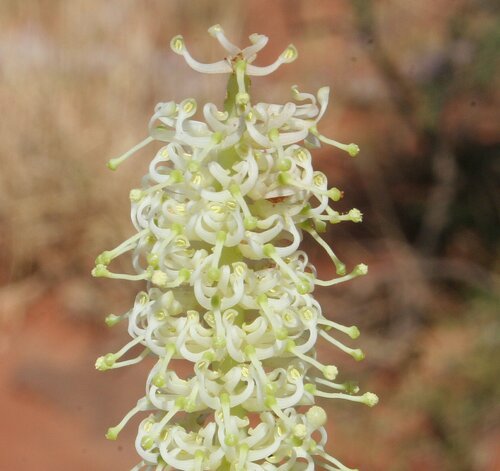
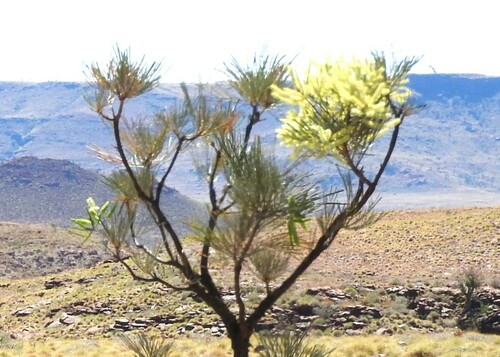
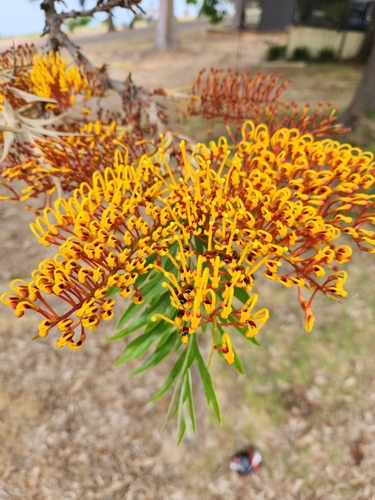
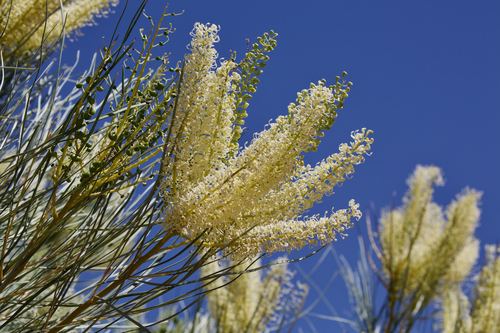
A large tree. The leaves are leathery and wavy. They are in spirals and grouped neat the ends of branches. The leaves can be 20 cm long and with a short blunt tip. They flowers are in spikes 18 cm long. The flowers are 1 cm long. The tepals are narrow, white and curled back. The flowers have a scent at night. The fruit has a hard outer covering and a softer seed inside.
Edible Uses
The kernels and nuts are edible.
Distribution
A tropical plant.
Where It Grows
Central America, Costa Rica,
Notes
There are 11-20 Panopsis in the Americas. This species was previously included in Panopsis suaveolens.
Synonyms
Also Known As
Paol de papa
References (3)
- Menninger, E.A., 1977, Edible Nuts of the World. Horticultural Books. Florida p 76 (As Panopsis suaveolens)
- Wickens, G.E., 1995, Edible Nuts. FAO Non-wood forest products. FAO, Rome. p 147 (As Panopsis suaveolens)
- Zuchowski W., 2007, Tropical Plants of Costa Rica. A Zona Tropical Publication, Comstock Publishing. p 300