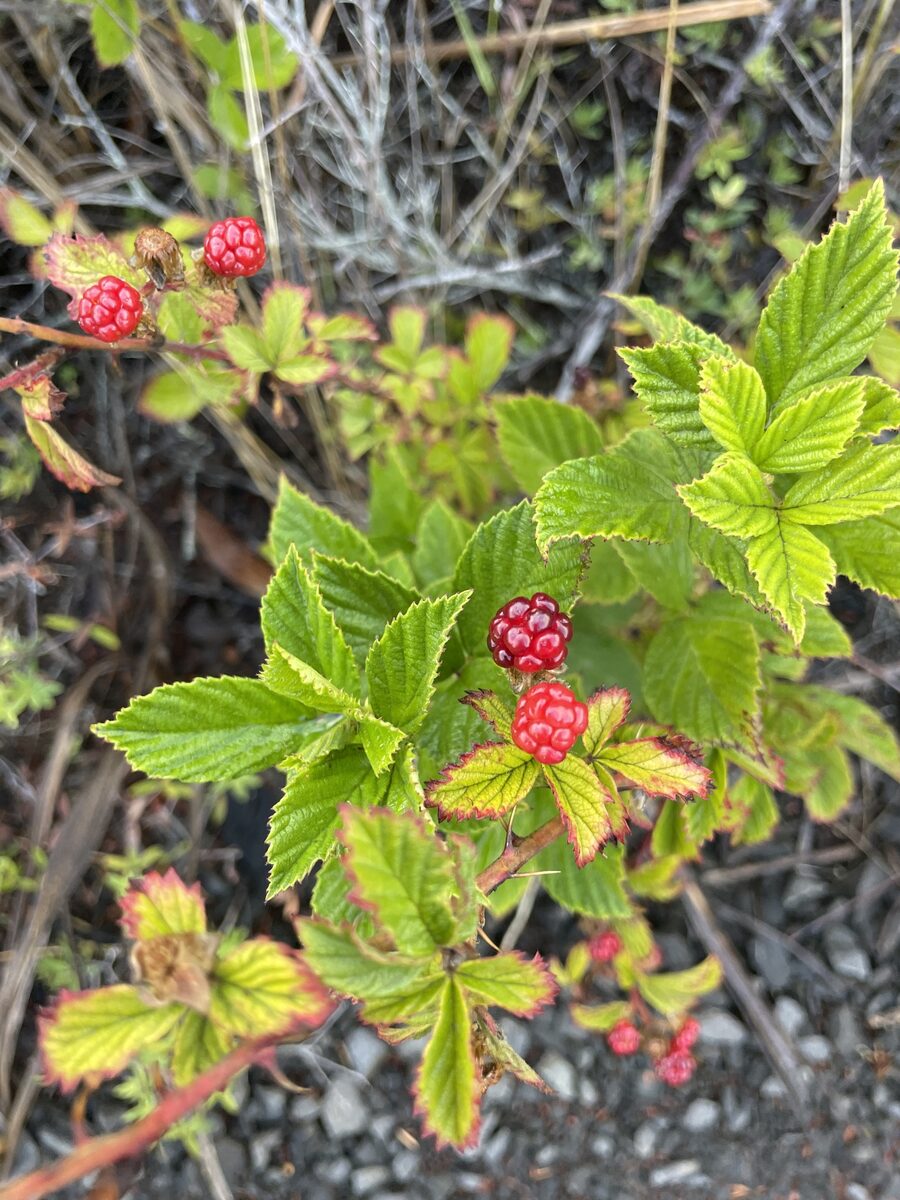
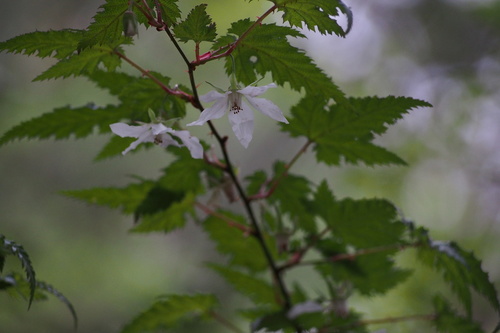
Osteomeles schwerinae
Schneid.
Sugar fruit, Crow-berry
iNaturalist· cc-by-nc
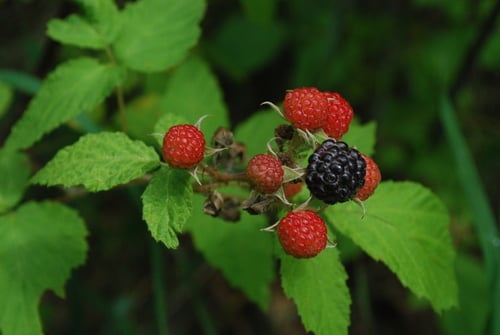
(c) zxchang, some rights reserved (CC BY-NC)
iNaturalist· cc-by-nc
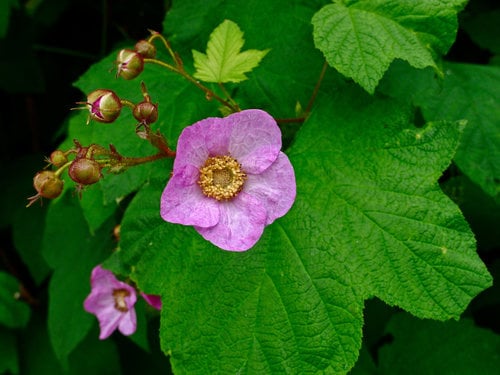
(c) zxchang, some rights reserved (CC BY-NC)
iNaturalist· cc-by-nc
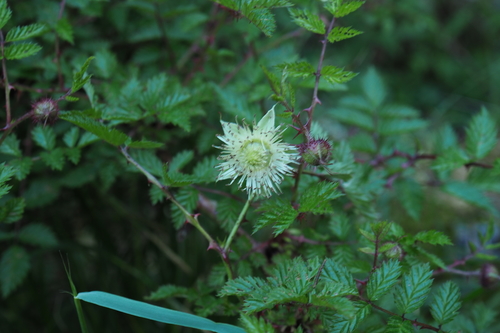
(c) Bahamut Chao, some rights reserved (CC BY-NC)
Summary
Source: WikipediaOsteomeles schwerinae is a species of plant native to China. Its flowers are white and resemble those of hawthorn species. It produces small, white, round berries that are pomes. The fruits are edible and can be eaten raw or used to make jellies and jams. The fruits have a sweet flavor. It is grown in gardens as an ornamental plant. It is also used in bonsai. O. schwerinae can be found in mainland China and Taiwan.
Description
It is a bushy shrub. It grows 3 m high. The branches arch over. The leaves have small leaflets along the stalk. The leaflets are greyish and downy. The flowers are white. They are 18 mm across. The flowers are in dense clusters. The fruit are small dark red berries. They ripen to bluish-black.
Edible Uses
The white fruit is sweet-flavored and can be eaten raw or cooked. It measures approximately 8mm in diameter.
Traditional Uses
The fruit are eaten raw.
This uses section is brief — help expand it
Medicinal Uses
None known
Distribution
It is a temperate plant. It is native to SW China. It grows in Yunnan in China. It grows in mixed forests between 1,000-3,000 m above sea level. It suits hardiness zones 8-10. In Sichuan and Yunnan.
Where It Grows
Asia, Australia, Britain, China*, Europe, Hawaii, Myanmar, Pacific, SE Asia, Taiwan, Tibet,
Cultivation
Succeeds a sheltered position in full sun in any fertile well-drained soil. Plants usually require protection outside the mildest areas of Britain, they are hardy to about -5°c, though the sub-species O. schwerinii microphylla. Rehder.&Wils. is hardier, to about -10°c. This sub-species is often mistakenly sold under the name O. subrotunda. They can be grown on a sunny wall. Seed is seldom set in Britain.
Propagation
Seed requires a period of cold stratification and can be sown in late autumn in a cold frame. Once large enough to handle, prick seedlings out into individual pots and grow on in a greenhouse for at least their first winter. Plant out into permanent positions in late spring or early summer, after the last expected frosts. Cuttings of half-ripe wood, 5–8cm with a heel, can be taken in July or August and rooted in a frame, then potted up in autumn and overwintered in a greenhouse — with a fair to good success rate. Layering is also an option.
Other Uses
No uses known.
Production
In Yunnan fruit are harvested in August and September.
Synonyms
Also Known As
Dazhu, Sele
References (7)
- Cundall, P., (ed.), 2004, Gardening Australia: flora: the gardener's bible. ABC Books. p 962
- Etherington, K., & Imwold, D., (Eds), 2001, Botanica's Trees & Shrubs. The illustrated A-Z of over 8500 trees and shrubs. Random House, Australia. p 504
- Flora of China @ efloras.org Volume 9
- Geng, Y., et al, 2016, Traditional knowledge and its transmission of wild edibles used by the Naxi in Baidi Village, northwest Yunnan province. Journal of Ethnobiology and Ethnomedicine. 12:10
- Ju, Y., et al, 2013, Eating from the wild: diversity of wild edible plants used by Tibetans in Shangri-la region, Yunnan, China, Journal of Ethnobiology and Ethno medicine 9:28
Show all 7 references Hide references
- Lord, E.E., & Willis, J.H., 1999, Shrubs and Trees for Australian gardens. Lothian. p 248
- Plants for a Future database, The Field, Penpol, Lostwithiel, Cornwall, PL22 0NG, UK. http://www.scs.leeds.ac.uk/pfaf/