Fadogia ancylantha
Hiern.
Makoni tea bush
iNaturalist· cc-by-nc
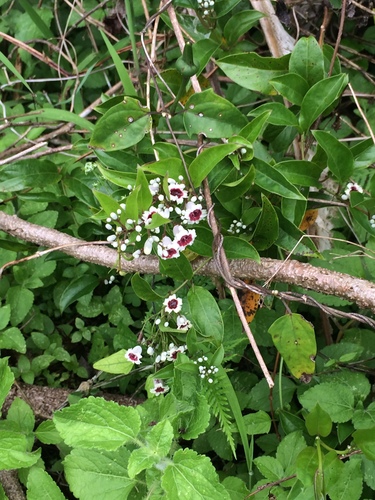
(c) Mac H. Alford, some rights reserved (CC BY-NC), uploaded by Mac H. Alford
iNaturalist· cc-by-nc
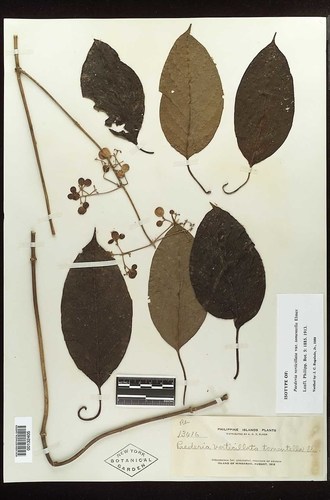
(c) Bart Wursten, some rights reserved (CC BY-NC)
iNaturalist· cc-by-nc
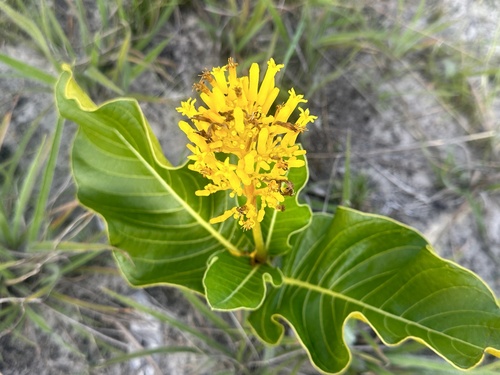
(c) Bart Wursten, some rights reserved (CC BY-NC)
Description
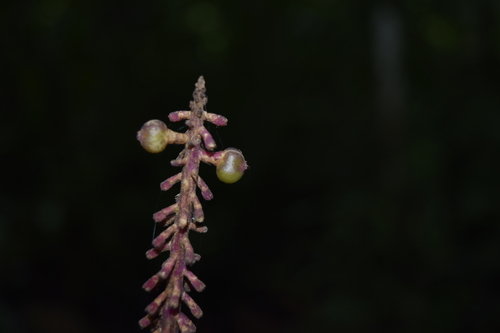
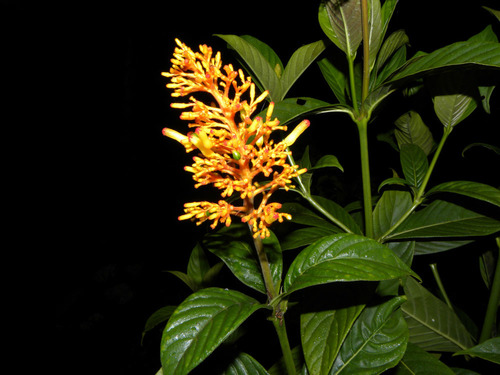
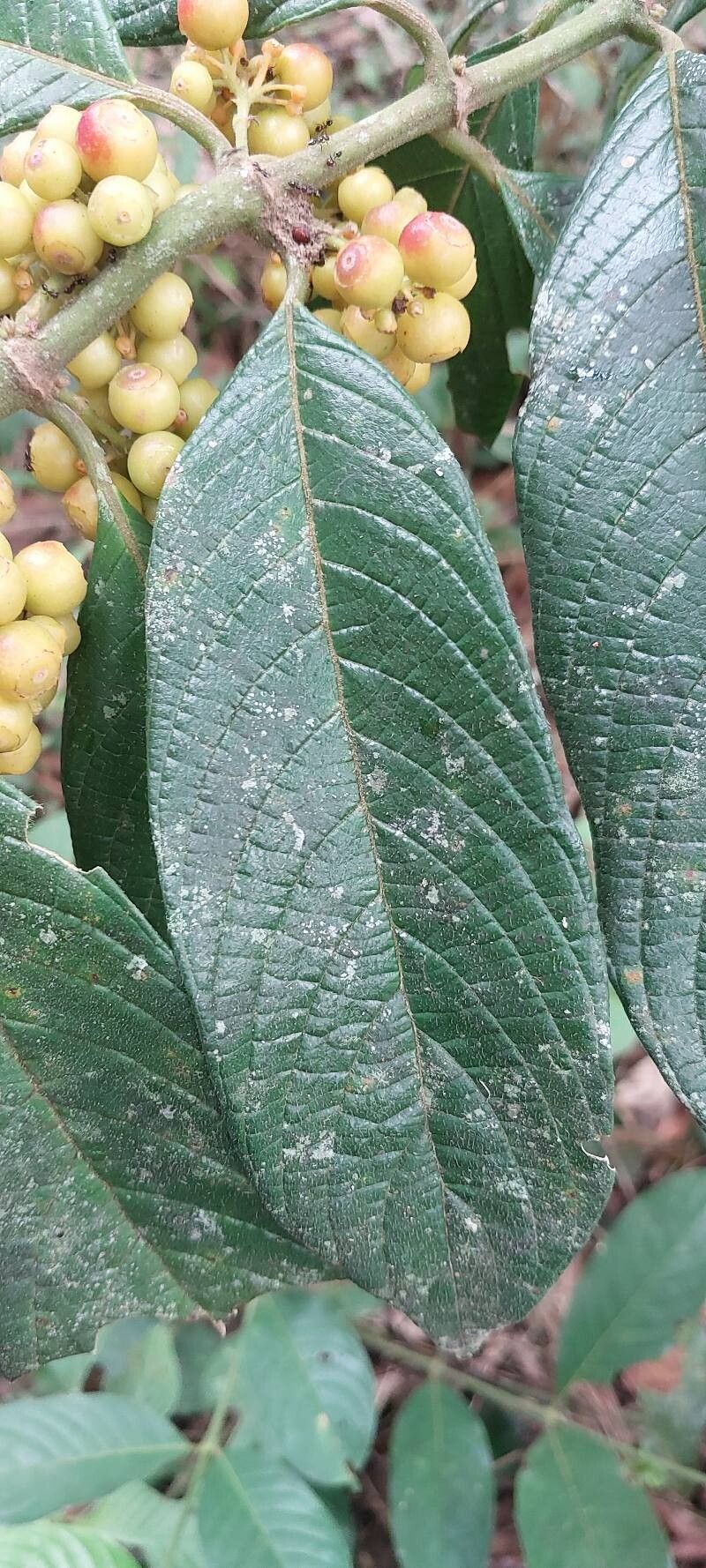
A low growing woody shrub with a woody rootstock 2 cm across. It grows up to 1.8 m tall. There are 2-6 stems. The stems are 3 angled and slightly hairy. The leaves are in pairs or rings of three. They are 3-11 cm long by 1-7 cm wide. The flowers are usually as 2-3 together. They are 2 cm long. They are greenish-yellow and tube shaped. The fruit are grey-green and 12 mm across. They can have 5 lobes.
Edible Uses
The ripe fleshy fruits are eaten raw, dry leaves are boiled for tea, and children suck the nectar from the flowers.
Traditional Uses
The ripe fruit are fleshy and are eaten raw. Dry leaves are boiled and used for tea. The nectar of the flowers is sucked by children.
This uses section is brief — help expand it
Distribution
A tropical plant. It grows in woodland and wooded grassland. It grows between 850-1,680 m altitude. It is often on termite mounds.
Where It Grows
Africa, Burundi, Central Africa, Congo, East Africa, Malawi, Mozambique, Nigeria, Rwanda, Southern Africa, Sudan, Tanzania, Uganda, West Africa, Zambia, Zimbabwe,
Cultivation
Plants can be grown from fresh seeds.
Propagation
Seed - best sown as soon as it is ripe.
Other Uses
Roots are chewed and then used as a toothbrush which helps stop bleeding from the gums.
Production
In Tanzania the ripe fruit are collected from October to January. The dried leaves can be stored for use for tea.
Other Information
The fruit are especially eaten by children.
Synonyms
Also Known As
Booami, Candatala, Chandantala, Kasasyito, Kindokoli, Manduguli, Maso a ng'ombe, Memenela, Meso ga ng'ombe, Msamba ana, Nhecamutiti, Njoga, Umunyamabuye
References (13)
- Flora Zambesiaca. http://apps.kew.org/efloras
- Fowler, D. G., 2007, Zambian Plants: Their Vernacular Names and Uses. Kew. p 56
- http://www.fao.org/forestry/25323-096344a3de335832e8f363c3ac5184a66.pdf
- INFOODSUpdatedFGU-list.xls
- Jardin, C., 1970, List of Foods Used In Africa, FAO Nutrition Information Document Series No 2.p 165 (As Temnocalyx obovatus)
Show all 13 references Hide references
- Malaisse, F., 1997, Se nourrir en floret claire africaine. Approche ecologique et nutritionnelle. CTA., p 69 (As Temnocalyx obovatus)
- Msola, D. K., 2007, The role of Wild Foods in Household Income and Food Security in Mufundi District, Tanzania. Morogoro, Tanzania. p 44
- Peters, C. R., O'Brien, E. M., and Drummond, R.B., 1992, Edible Wild plants of Sub-saharan Africa. Kew. p 169
- Ruffo, C. K., Birnie, A. & Tengnas, B., 2002, Edible Wild Plants of Tanzania. RELMA p 314
- Tredgold, M.H., 1986, Food Plants of Zimbabwe. Mambo Press. p 68
- Williamson, 1975, (As Temnocalyx obovatus)
- Williamson, J., 2005, Useful Plants of Malawi. 3rd. Edition. Mdadzi Book Trust. p 243 (As Temnocalyx obovatus)
- World Checklist of Useful Plant Species 2020. Royal Botanic Gardens, Kew