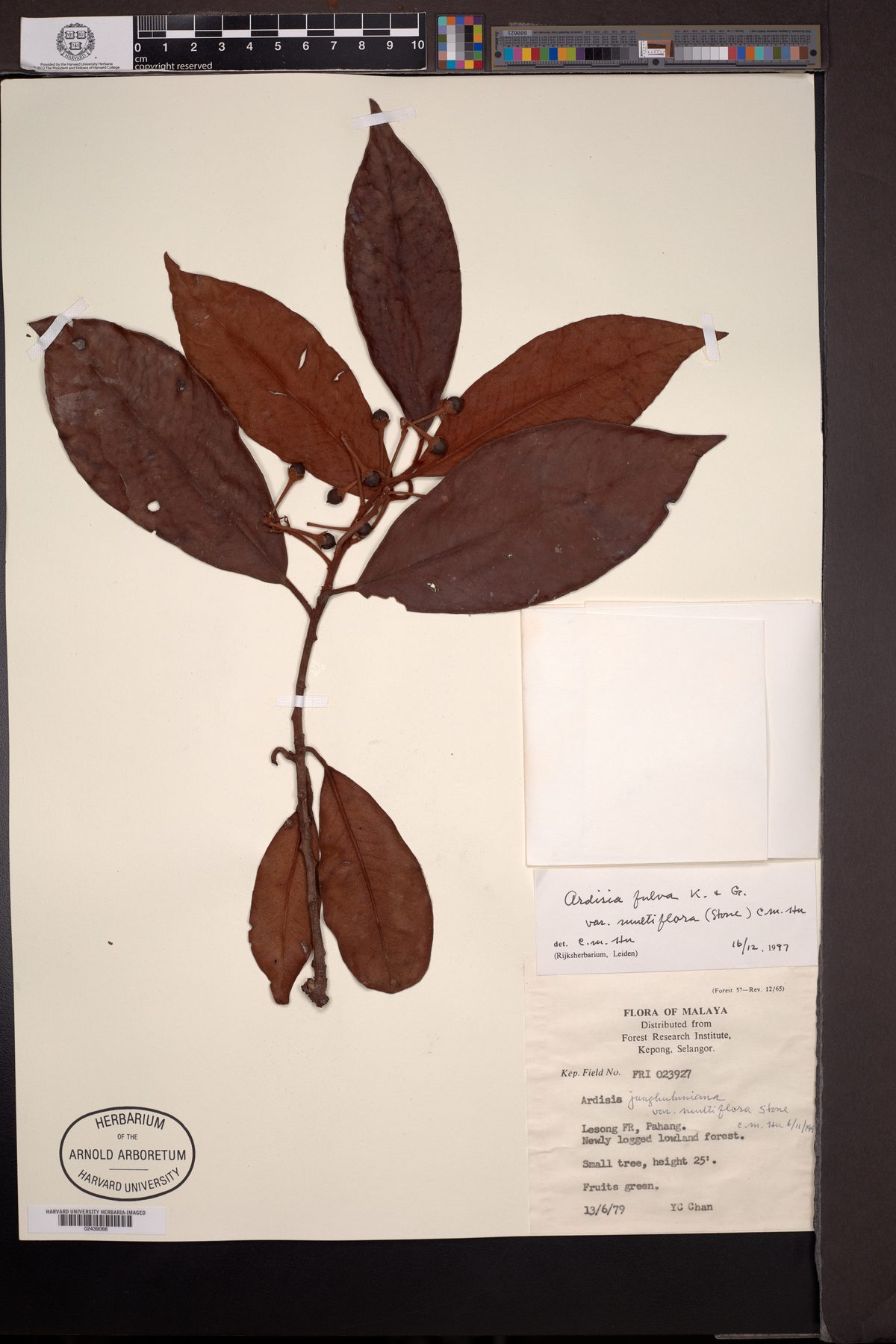
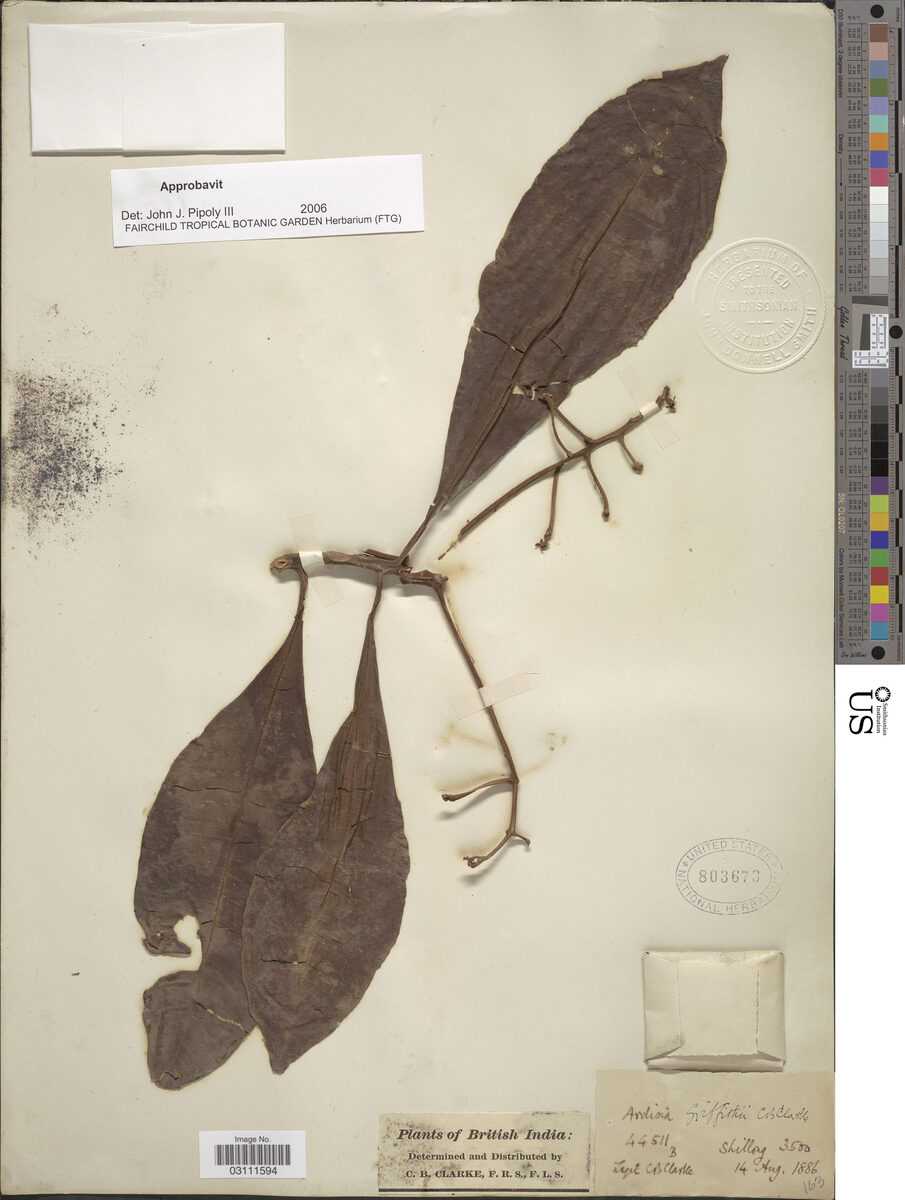
Samolus valerandi parviflorus - (Raf.) Hultén
(Raf.) Hultén
Thin-Leaf Brookweed, seaside brookweed
gbif· cc-by-nc
Florida Museum of Natural History Herbarium - University of Florida
gbif· cc0
Carol L. Kelloff
gbif· cc0
Carol L. Kelloff
Description
Samolus valerandi parviflorus is a PERENNIAL growing to 0.4 m (1ft 4in). See above for USDA hardiness. It is hardy to UK zone 6. The species is hermaphrodite (has both male and female organs). The plant is self-fertile. Suitable for: light (sandy), medium (loamy) and heavy (clay) soils. Suitable pH: neutral and basic (mildly alkaline) soils. It cannot grow in the shade. It prefers moist or wet soil and can grow in water. The plant can tolerate maritime exposure.
Edible Uses
Young leaves - raw or cooked.
Distribution
Southern N. America.
Where It Grows
Coming Soon
Cultivation
Succeeds in ordinary garden soil in a wet position or in shallow water. Dislikes shade or acid soils. This species is very closely related to Samolus valerandi, and is seen as no more than a sub-species by some botanists.
Propagation
Seed - surface sow in a cold frame in the spring, standing the pot in about 3cm of water. Prick out the seedlings when they are large enough to handle and gradually increase the depth of water as the plants grow until it is level with the tops of the pots. Plant out in the summer if there has been sufficient growth, otherwise plant out in late spring of the following year. Division in spring.