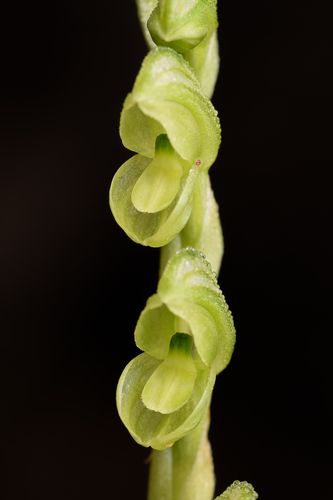
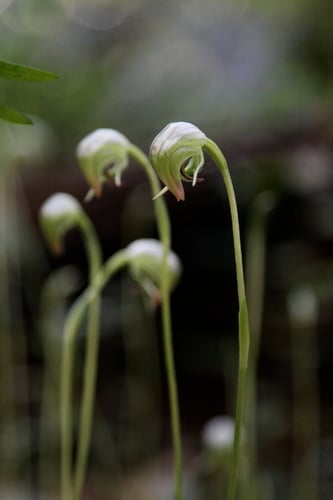
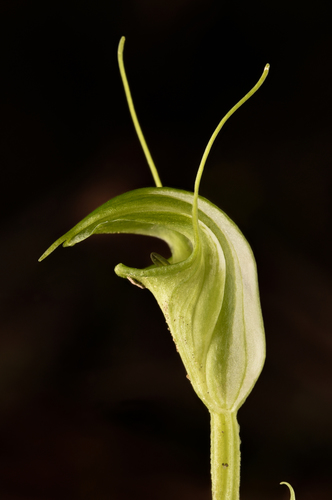
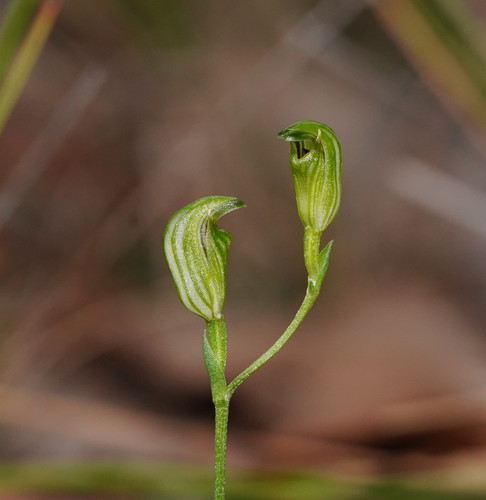
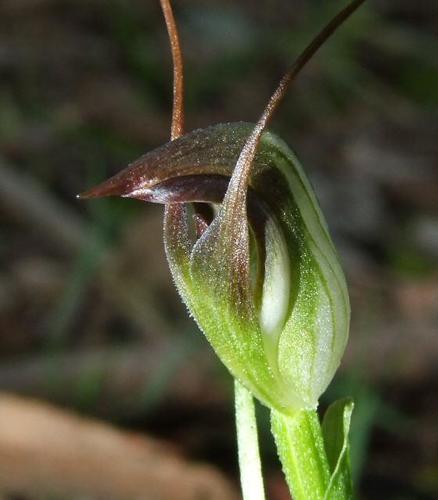
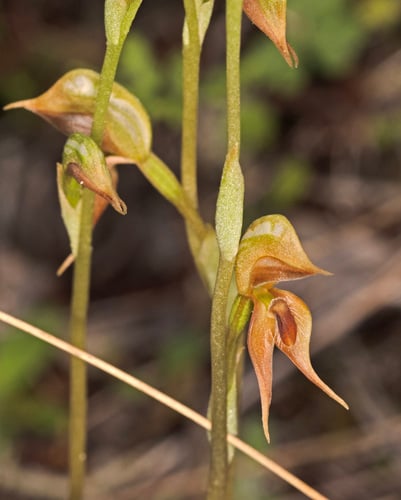
Microtis unifolia - (G.Forst.)Rchb.f.
(G.Forst.)Rchb.f.
Onion-Leaf Orchis
gbif· cc-by-nc
jw434
gbif· cc-by-nc
pwieland
gbif· cc-by
Emma Naylor
Description
Microtis unifolia is a PERENNIAL growing to 0.5 m (1ft 8in). See above for USDA hardiness. It is hardy to UK zone 9. It is in flower from October to January. The species is hermaphrodite (has both male and female organs) and is pollinated by Insects. Suitable for: light (sandy), medium (loamy) and heavy (clay) soils. Suitable pH: mildly acid, neutral and basic (mildly alkaline) soils. It can grow in semi-shade (light woodland) or no shade. It prefers moist soil.
Edible Uses
Root. No more details are given.
Distribution
E.Asia to Australasia from China, Indonesia and the Phillipines to Australia and New Zealand.
Where It Grows
TEMPERATE ASIA: China (Anhui Sheng, Fujian Sheng, Guangdong Sheng, Guangxi Zhuangzu Zizhiqu, Hunan Sheng, Jiangxi Sheng, Sichuan Sheng (southeast), Zhejiang Sheng), Japan (Honshu (south), Kyushu, Shikoku), Taiwan TROPICAL ASIA: Indonesia (Jawa), Philippines PACIFIC: New Caledonia, Vanuatu AUSTRALASIA: New Zealand
Cultivation
We have very little information on this species. It is a terrestrial orchid that can tolerate light frosts and so could possibly be grown outdoors in the mildest parts of Britain, but its late autumn flowering habit might make it more suited to the greenhouse. The flowers have a powerful if sickly scent. Orchids are, in general, shallow-rooting plants of well-drained low-fertility soils. Their symbiotic relationship with a fungus in the soil allows them to obtain sufficient nutrients and be able to compete successfully with other plants. They are very sensitive to the addition of fertilizers or fungicides since these can harm the symbiotic fungus and thus kill the orchid.
Propagation
Seed - surface sow, preferably as soon as it is ripe, in the greenhouse and do not allow the compost to dry out. The seed of this species is extremely simple, it has a minute embryo surrounded by a single layer of protective cells. It contains very little food reserves and depends upon a symbiotic relationship with a species of soil-dwelling fungus. The fungal hyphae invade the seed and enter the cells of the embryo. The orchid soon begins to digest the fungal tissue and this acts as a food supply for the plant until it is able to obtain nutrients from decaying material in the soil. It is best to use some of the soil that is growing around established plants in order to introduce the fungus, or to sow the seed around a plant of the same species and allow the seedlings to grow on until they are large enough to move.