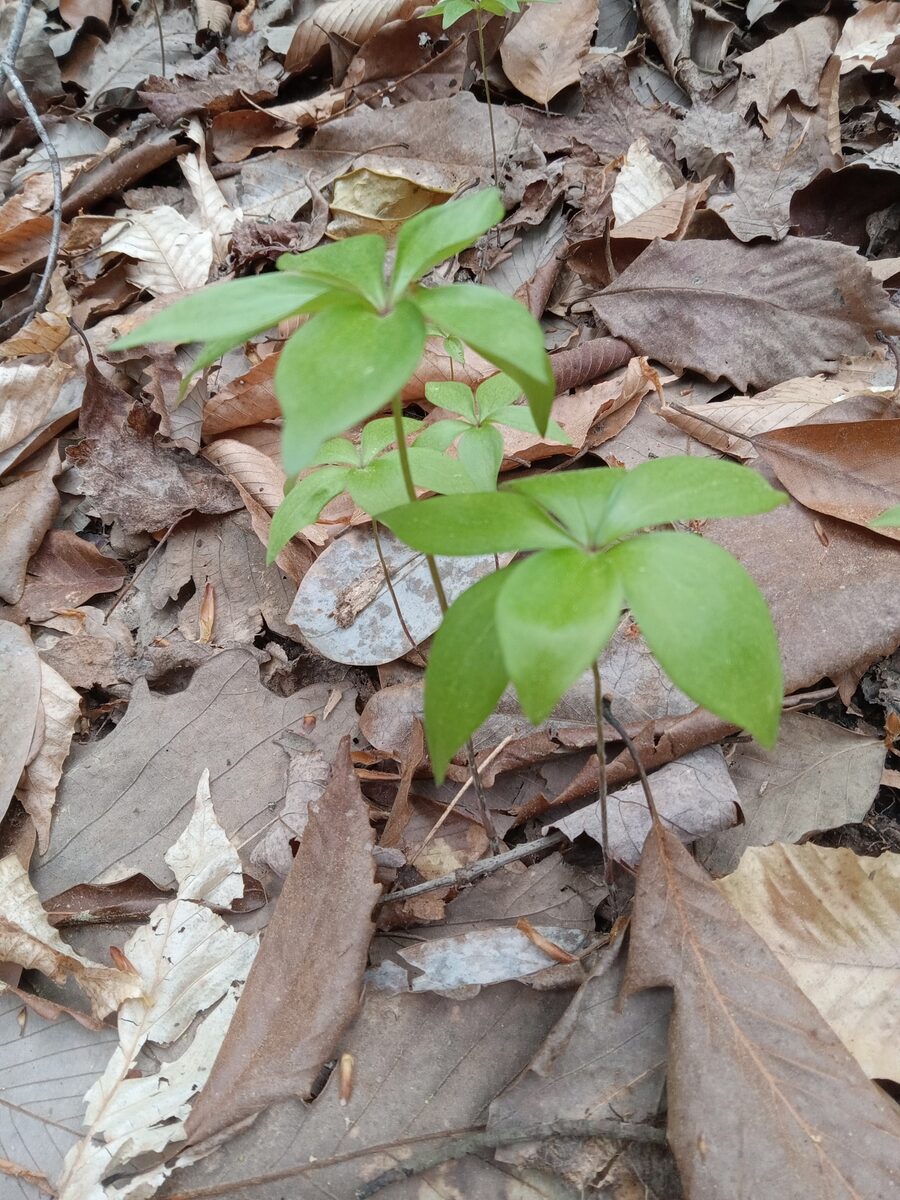
Kinugasa japonica - (Franch.&Sav.)Tatew.&Suto.
(Franch.&Sav.)Tatew.&Suto.
Kinugasaso
gbif· cc-by
Royal Botanic Gardens, Kew
Description
Kinugasa japonica is a PERENNIAL growing to 0.5 m (1ft 8in). See above for USDA hardiness. It is hardy to UK zone 8. The species is hermaphrodite (has both male and female organs). Suitable for: light (sandy), medium (loamy) and heavy (clay) soils and prefers well-drained soil. Suitable pH: mildly acid, neutral and basic (mildly alkaline) soils. It can grow in semi-shade (light woodland) or no shade. It prefers moist soil.
Edible Uses
Fruit. No more details are given.
Distribution
E. Asia - Japan.
Where It Grows
Coming Soon
Cultivation
Prefers a deep well-drained woodland or humus-rich soil in a somewhat shady position that remains moist in the summer. Prefers a neutral to slightly acid soil. Grows well in open woodland. Succeeds in a sunny position if the soil does not dry out. This species is not hardy in the colder areas of the country, it tolerates temperatures down to between -5 and -10°c. Any transplanting is best done whilst the plants are in flower. Plants can flower in two years from seed.
Propagation
Seed - best sown in a shaded cold frame as soon as it is ripe. Stored seed should be sown in late winter or early spring. Seed usually germinates within 1 - 3 months at 15°c. Another report says that seeds produce a root after the first cold stratification but no shoot is produced until after a second winter. The seedlings are prone to damp off and must therefore be given plenty of fresh air. The young plants need to be overwintered in a cold frame for the first year and can then be planted out in late spring. It is very important that the pots become neither too dry nor too wet. Division with care when the plants die down after flowering.