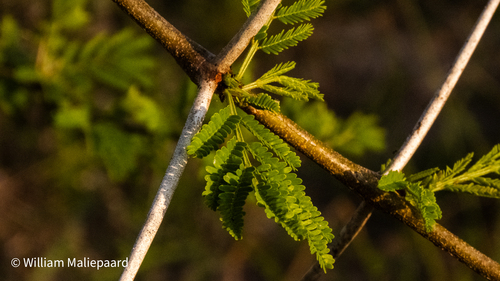
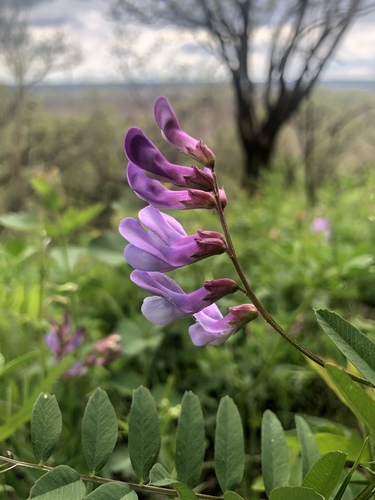
Acacia paradoxa
DC.
Kangaroo Thorn, Paradox acacia
iNaturalist· cc-by-nc-sa
(c) Reiner Richter, some rights reserved (CC BY-NC-SA), uploaded by Reiner Richter
iNaturalist· cc-by-nc
(c) Graeme Rigg, some rights reserved (CC BY-NC), uploaded by Graeme Rigg
iNaturalist· cc-by
(c) Kevin Sparrow, some rights reserved (CC BY), uploaded by Kevin Sparrow
Description
Acacia paradoxa is an evergreen Shrub growing to 5 m (16ft 5in). See above for USDA hardiness. It is hardy to UK zone 8. It is in leaf all year, in flower from February to May. The species is hermaphrodite (has both male and female organs). It can fix Nitrogen. Suitable for: light (sandy), medium (loamy) and heavy (clay) soils, prefers well-drained soil and can grow in nutritionally poor soil. Suitable pH: mildly acid, neutral and basic (mildly alkaline) soils. It cannot grow in the shade. It prefers dry or moist soil and can tolerate drought. The plant can tolerate maritime exposure.
Edible Uses
Flowers - cooked. Rich in pollen, they are often used in fritters.
Distribution
Australia - New South Wales, Victoria.
Where It Grows
AUSTRALASIA: Australia (New South Wales (east), Queensland (southeast), South Australia (east), Victoria, Western Australia (southwest))
Cultivation
A very tough plant that stands both wet and drought well, it is lime-tolerant and also withstands salt-laden winds. Prefers a sandy loam and a very sunny position. Succeeds in dry soils. Succeeds in any good garden soil that is not excessively limey. Most members of this genus become chlorotic when grown on limey soils. Trees are not very hardy outdoors in Britain, they tolerate occasional temperatures down to between -5 and -10°c, but even in the mildest areas of the country they are likely to be killed in excessively harsh winters. This species has a symbiotic relationship with certain soil bacteria, these bacteria form nodules on the roots and fix atmospheric nitrogen. Some of this nitrogen is utilized by the growing plant but some can also be used by other plants growing nearby.
Propagation
Seed - best sown as soon as it is ripe in a sunny position in a warm greenhouse. Stored seed should be scarified, pre-soaked for 12 hours in warm water and then sown in a warm greenhouse in March. The seed germinates in 3 - 4 weeks at 25°c. As soon as the seedlings are large enough to handle, prick them out into individual pots and grow them on in a sunny position in the greenhouse for their first winter. Plant them out in late spring or early summer, after the last expected frosts, and consider giving them some protection from the cold for their first winter outdoors. Cuttings of half-ripe wood with a heel, July/August in individual pots in a frame. Overwinter in a greenhouse for the first winter and plant out in their permanent positions in late spring or early summer. Fair percentage.
Other Uses
Hedge HedgeA yellow dye is obtained from the flowers. A green dye is obtained from the seed pods. Plants are heavily armed with thorns and make a good screen or hedge in warm temperate areas.