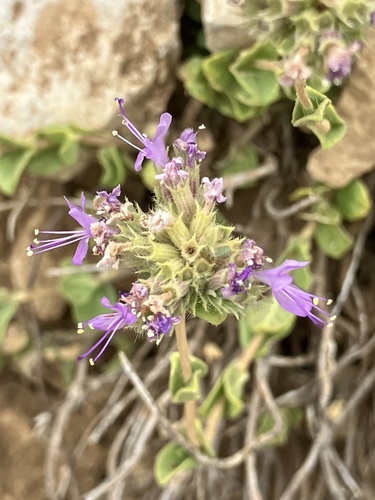
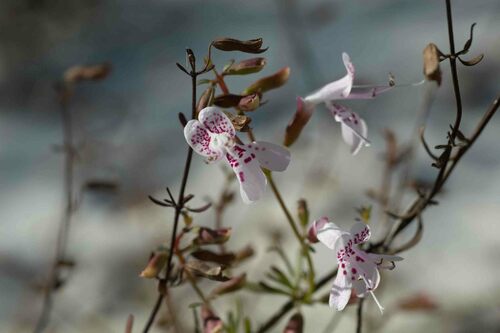
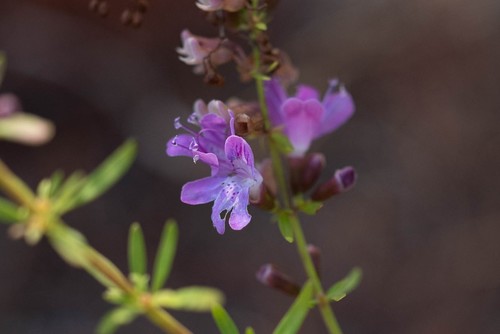
Lamium amplexicaule
L.
Henbit, Henbit deadnettle
iNaturalist· cc-by-nc
(c) Hernán A. Santibáñez G., some rights reserved (CC BY-NC), uploaded by Hernán A. Santibáñez G.
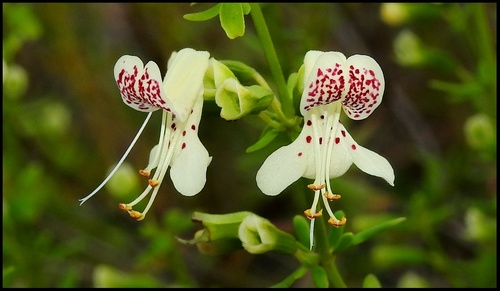
iNaturalist· cc-by-nc
(c) olivia_hinklin, some rights reserved (CC BY-NC)
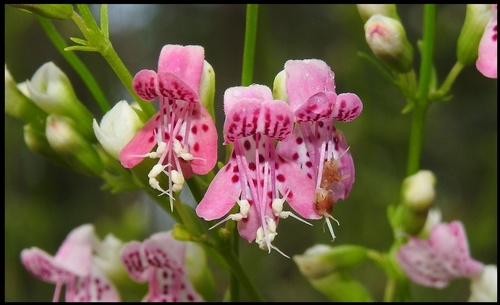
iNaturalist· cc-by-sa
(c) Meghan Cassidy, some rights reserved (CC BY-SA), uploaded by Meghan Cassidy
Description
Lamium amplexicaule is a ANNUAL growing to 0.3 m (1ft). It is in flower from April to August. The species is hermaphrodite (has both male and female organs) and is pollinated by Bees. The plant is self-fertile. Suitable for: light (sandy) and medium (loamy) soils, prefers well-drained soil and can grow in heavy clay soil. Suitable pH: mildly acid and neutral soils. It cannot grow in the shade. It prefers dry or moist soil.
Edible Uses
Young leaves - raw or cooked. Added to salads or used as a potherb.
Medicinal Uses
Antirheumatic Diaphoretic Febrifuge Laxative Stimulant. The plant is antirheumatic, diaphoretic, excitant, febrifuge, laxative and stimulant.
Distribution
Europe, including Britain, from Norway south and east to N. Africa, W. Mediterranean and W. Asia.
Where It Grows
TEMPERATE ASIA: Cyprus, Iran, Iraq, Israel, Jordan, Lebanon, Syria, Turkey, Armenia, Azerbaijan, Georgia, Russian Federation-Western Siberia (Western Siberia), Kazakhstan, Kyrgyzstan, Tajikistan, Turkmenistan, Uzbekistan, China, Korea, Japan TROPICAL ASIA: India (north), Pakistan EUROPE: Denmark, Finland, United Kingdom, Ireland, Norway, Sweden, Czechoslovakia, Austria, Belgium, Switzerland, Germany, Hungary, Netherlands, Poland, Belarus, Estonia, Lithuania, Latvia, Ukraine (incl. Krym), Former Yugoslavia, Albania, Bulgaria, Greece (incl. Crete), Italy (incl. Sardinia, Sicily), Romania, Spain (incl. Baleares), France (incl. Corsica), Portugal AFRICA: Spain (Canarias), Portugal (Madeira Islands), Algeria (north), Egypt (north), Libya (north), Morocco, Tunisia
Cultivation
Tolerates most soils and conditions. Prefers a light dry soil. Plants seem to be immune to the predations of rabbits.
Propagation
Seed - this species usually self sows freely and should not require human intervention. When required, it can be sown in situ as soon as it is ripe or in spring. The seed can germinate at any time of the year in the wild if conditions are suitable.