Hypoxis hygrometrica
Labill.
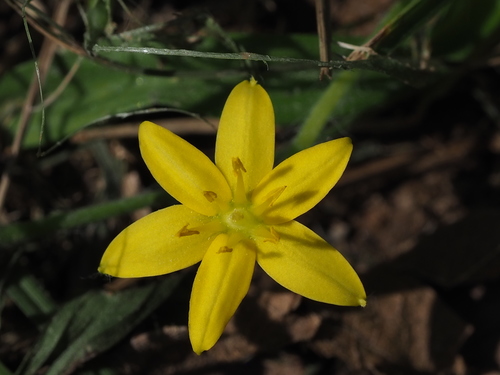
Golden Weather Glass
iNaturalist· cc-by-nc
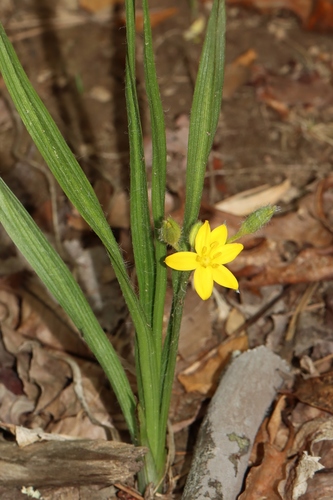
(c) Josh Magro, some rights reserved (CC BY-NC), uploaded by Josh Magro
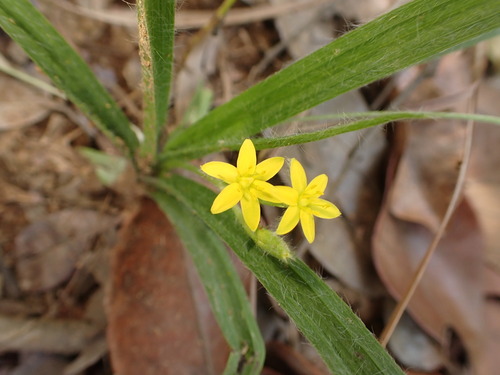
iNaturalist· cc-by-nc-sa
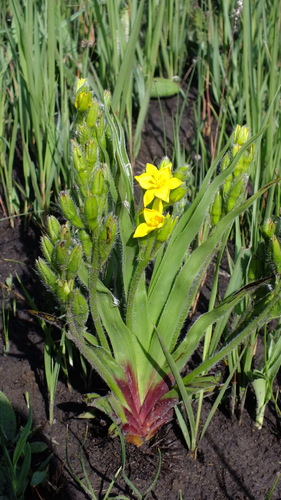
(c) Greg Steenbeeke, some rights reserved (CC BY-NC-SA), uploaded by Greg Steenbeeke
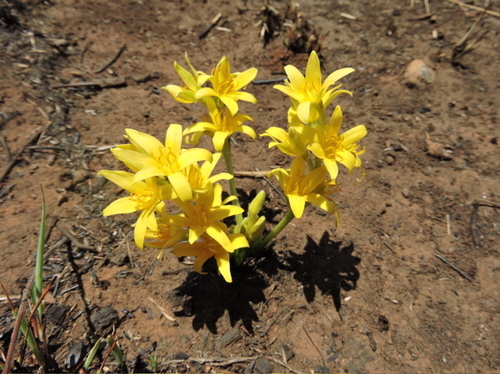
iNaturalist· cc-by-nc
(c) jackiemiles, some rights reserved (CC BY-NC), uploaded by jackiemiles
Description
Hypoxis hygrometrica is a PERENNIAL growing to 0.2 m (0ft 8in) by 0.1 m (0ft 4in). See above for USDA hardiness. It is hardy to UK zone 9. It is in flower from May to July, and the seeds ripen from July to August. The species is hermaphrodite (has both male and female organs) and is pollinated by Insects. The plant is self-fertile. Suitable for: light (sandy) and medium (loamy) soils and prefers well-drained soil. Suitable pH: mildly acid, neutral and basic (mildly alkaline) soils. It can grow in semi-shade (light woodland) or no shade. It prefers moist soil.
Edible Uses
Tuber - raw or cooked. A starchy and earthy taste, with an irritant aftertaste. It is probably inadvisable to eat the root raw due to the presence of calcium oxalate crystals, though it should be all right cooked.
Known Hazards
Plant contains calcium oxalate crystals and can cause mild irritation to the throat if eaten. Thorough cooking destroys the toxin. People with a tendency to rheumatism, arthritis, gout, kidney stones and hyperacidity should take especial caution if including this plant in their diet.
Distribution
Australia - New South Wales, Queensland, Tasmania and Victoria.
Where It Grows
Coming Soon
Cultivation
Requires a light freely draining soil in full sun or light shade. Dislikes root disturbance, plants should be placed in their permanent positions as soon as possible. Plants are hardy to about -5°c, succeeding outdoors only in the mildest parts of Britain.
Propagation
Seed - sow spring in a greenhouse. When they are large enough to handle, prick the seedlings out into individual pots and grow them on in the greenhouse for at least their first winter. Plant them out into their permanent positions in late spring or early summer, after the last expected frosts. Division of off-sets in spring or early autumn.
Other Uses
Weather forecasting. Seeds are hygrometric and can be used in amateur weather forecasting.