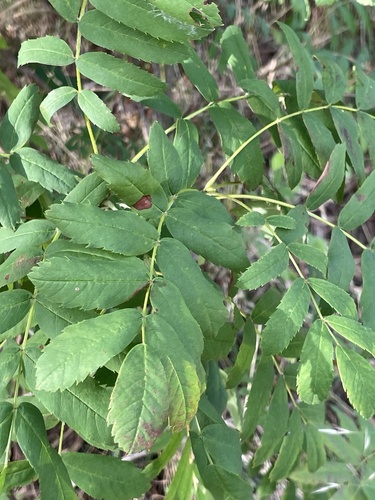
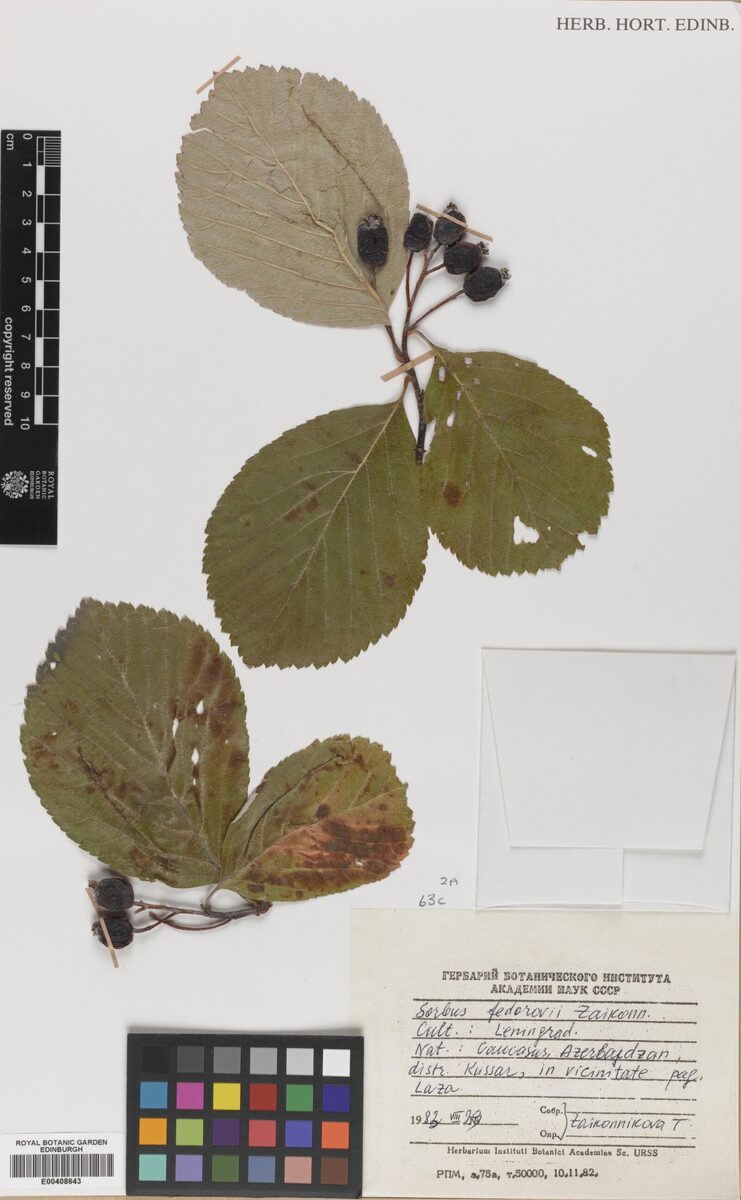
Crataegus erythropoda
Ashe
Cerro hawthorn
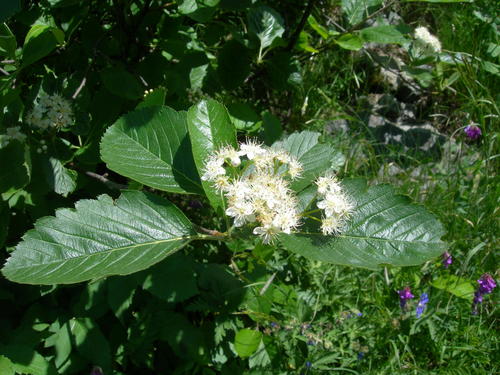
iNaturalist· cc-by-nc
(c) Susan Panjabi, some rights reserved (CC BY-NC), uploaded by Susan Panjabi
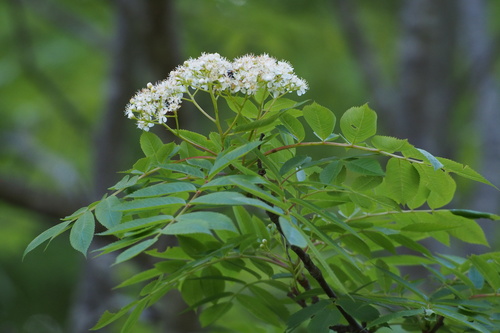
wikimedia· cc0
Nadiatalent (via Wikimedia Commons)
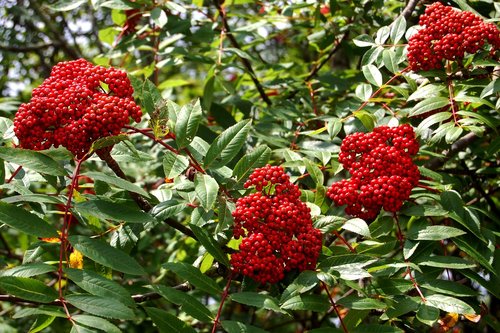
wikimedia· cc0
Nadiatalent (via Wikimedia Commons)
Description
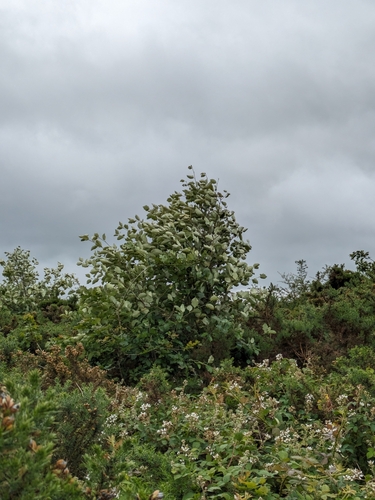
Crataegus erythropoda is a deciduous Tree growing to 5 m (16ft) by 5 m (16ft) at a fast rate. See above for USDA hardiness. It is hardy to UK zone 5 and is not frost tender. The flowers are pollinated by Midges. It is noted for attracting wildlife. Suitable for: light (sandy), medium (loamy) and heavy (clay) soils and can grow in heavy clay soil. Suitable pH: mildly acid, neutral and basic (mildly alkaline) soils and can grow in very alkaline soils. It can grow in semi-shade (light woodland) or no shade. It prefers moist or wet soil and can tolerate drought. The plant can tolerate maritime exposure.
Edible Uses
The fruits (drupe-like pomes), leaf buds, and flowers of most hawthorns are edible, with the fruits considered the most desirable part. While hawthorns are relatively uncommon in the Southwest and Great Basin, they were highly important food sources for many Native American groups in other regions of the United States. Cerro hawthorn is primarily a Rocky Mountain species, with only limited distribution in the Southwest. Because of its scarcity in this region, it has little practical value for foragers today. Its mature fruits are red to purple, 7–9 mm in diameter, and contain 2–5 hard nutlets that make up most of the fruit’s volume. The thin layer of surrounding flesh can be eaten, but yields are low. Cerro hawthorn typically blooms from April to June, with fruits ripening by mid- to late summer. Fruit—raw or cooked. It can be pressed into pulpy cakes, then dried and stored for later use. The deep red to vinous purple, orbicular fruit is around 10mm in diameter. Up to five fairly large seeds are in the centre of the fruit. These often stick together, and so the effect is of eating a cherry-like fruit with a single seed.
Medicinal Uses
Although no specific mention has been seen for this species, the fruits and flowers of many hawthorns are well-known in herbal folk medicine as a heart tonic and modern research has borne out this use. The fruits and flowers have a hypotensive effect as well as acting as a direct and mild heart tonic. They are especially indicated in the treatment of weak hearts combined with high blood pressure. Prolonged use is necessary for it to be efficacious. It is normally used either as a tea or a tincture.
Distribution
Western N. America - Wyoming, Colorado, New Mexico
Where It Grows
Native to: Colorado, New Mexico, Wyoming.
Cultivation
Crataegus erythropoda is a very cold-hardy plant, tolerating temperatures to around -25°c when dormant. Crataegus species are generally very easily cultivated plants, growing best in full sun to medium shade and preferring a well-drained but moisture-retentive loamy soil, though they are not usually fussy. This species grows well on chalk and heavy clay soils. Once established, many species can tolerate difficult conditions, including drought, excessively moist soils, exposure, wind, maritime conditions, and atmospheric pollution. Notes on the plant's habitat above may give more ideas on this. Trees growing in a sunny position generally produce more and better quality fruit than trees growing in the shade. Crataegus species often hybridize freely with other members of the genus. This statement is not fully accurate; at least in the wild, most Crataegus species usually breed true and only occasionally hybridize - in addition, any hybrids are usually putative. Many Crataegus species are very variable in fruit size and quality. Even if obtained from a good fruiting form, seedlings can often be disappointing - though they can also improve the original form. The most reliable way of obtaining a good fruiting form is by grafting from a known good tree or obtaining a named cultivar from a reliable source. Seedling trees take 5 - 8 years before they start bearing fruit, though grafted trees often flower heavily in their third year. Seedlings should not be left in a seedbed for over 2 years without being transplanted. The flowers have a foetid smell, somewhat like decaying fish. This attracts midges, which are the primary means of fertilization. When freshly opened, the flowers have a more pleasant scent with balsamic undertones. USDA Hardiness Zone: 4–7. Weed Potential: Cerro hawthorn is not considered a weedy or invasive species. Its limited distribution in the Southwest makes it more of a minor foraging curiosity than a major food resource.
Propagation
Seed - this is best sown as soon as it is ripe in the autumn in a cold frame, some of the seed will germinate in the spring, though most will probably take another year. Stored seed can be very slow and erratic to germinate, it should be warm stratified for 3 months at 15°c and then cold stratified for another 3 months at 4°c. It may still take another 18 months to germinate. Scarifying the seed before stratifying it might reduce this time. Fermenting the seed for a few days in its own pulp may also speed up the germination process. Another possibility is to harvest the seed 'green' (as soon as the embryo has fully developed but before the seedcoat hardens) and sow it immediately in a cold frame. If timed well, it can germinate in the spring. If you are only growing small quantities of plants, it is best to pot up the seedlings as soon as they are large enough to handle and grow them on in individual pots for their first year, planting them out in late spring into nursery beds or their final positions. When growing larger quantities, it might be best to sow them directly outdoors in a seedbed, but with protection from mice and other seed-eating creatures. Grow them on in the seedbed until large enough to plant out, but undercut the roots if they are to be left undisturbed for more than two years.
Other Uses
The wood of Crataegus species is generally of good quality, though it is often of too small a size to be of much value. It usually has a red-brown heartwood with a thick band of lighter-coloured, usually pale sapwood. The wood is heavy, extremely hard, tough and close-grained. Where wood of sufficient diameter is found, it is often greatly prized for use in turnery and has traditionally been used for purposes such as making tool handles, mallets and other small items.
Synonyms
Also Known As
Cerro, hill or red-footed hawthorn