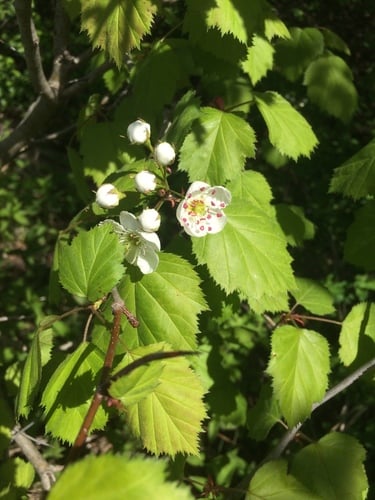
Eriobotrya cavaleriei
(Leveille) Rehder
Large-flowered loquat
gbif· cc-by-nc-sa
MBG
gbif· cc-by-nc-sa
GBIF
gbif· cc-by
Royal Botanic Gardens, Kew
Description
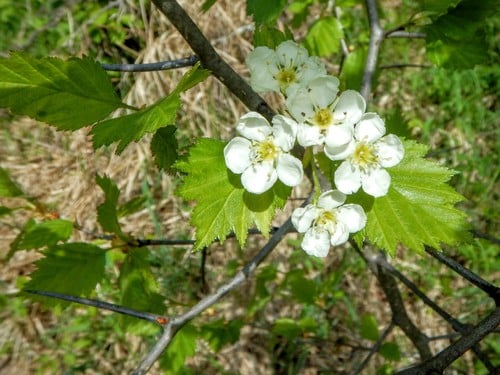
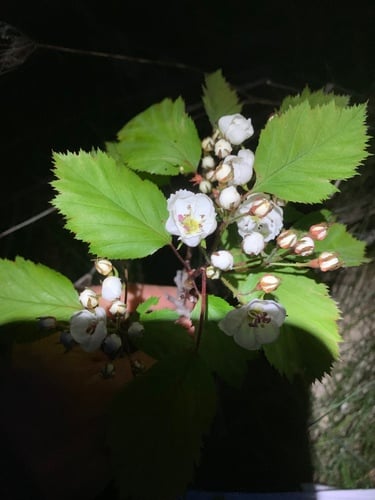
A small evergreen tree. It grows 6-10 m high. The leaves are sword shaped. They are 8-18 cm long by 3-7 cm wide. There are teeth towards the end. There is a yellowish covering underneath. There are many white flowers. They are in bunches at the ends of branches. The fruit are oblong. They are 1-1.5 cm long. They are orange-red.
Edible Uses
The fruit are eaten fresh and have a sweet-sour flavor. They are also used in alcohol production.
Traditional Uses
The fruit are sweet-sour tasting and edible. They are also used in alcohol production. Caution: Alcohol is a cause of cancer.
This uses section is brief — help expand it
Known Hazards
Alcohol produced from the fruit is a cause of cancer.
Distribution
A tropical plant. It grows in tropical and subtropical evergreen broad-leaved forests. It occurs in mountainous areas above 1,600 m altitude. It needs shade when young and light when mature. In Sichuan.
Where It Grows
Asia, China, Indochina, Laos, SE Asia, Vietnam,
Production
In southern China it flowers in April to May and fruits in July to August.
Notes
There are 30 Eriobotrya species.
Synonyms
Also Known As
Kom Kwo Shue, So cavalerie, Ti ba hoa to
References (6)
- Altschul, S.V.R., 1973, Drugs and Foods from Little-known Plants. Notes in Harvard University Herbaria. Harvard Univ. Press. Massachusetts. no. 1409
- Forest Inventory and Planning Institute, 1996, Vietnam Forest Trees. Agriculture Publishing House p 611
- Hu, Shiu-ying, 2005, Food Plants of China. The Chinese University Press. p 432
- Pham-Hoang Ho, 1999, An Illustrated Flora of Vietnam. Nha Xuat Ban Tre. p 778
- Reis, S. V. and Lipp, F. L., 1982, New Plant Sources for Drugs and Foods from the New York Botanical Garden herbarium. Harvard. p 98
Show all 6 references Hide references
- www.efloras.org Flora of China Volume 9