Hydrophyllum capitatum
Douglas. ex Benth.
Cat's Breeches, Ballhead waterleaf, Alpine waterleaf, Thompson's waterleaf
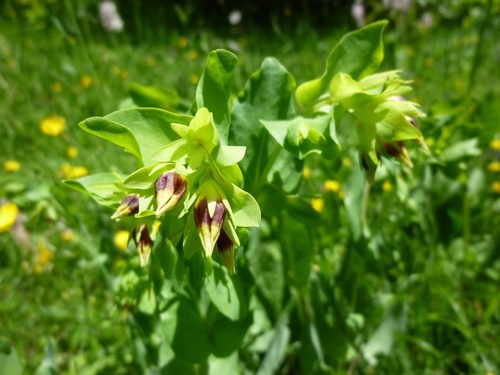
iNaturalist· cc-by-nc-nd
(c) Richard Droker, some rights reserved (CC BY-NC-ND)
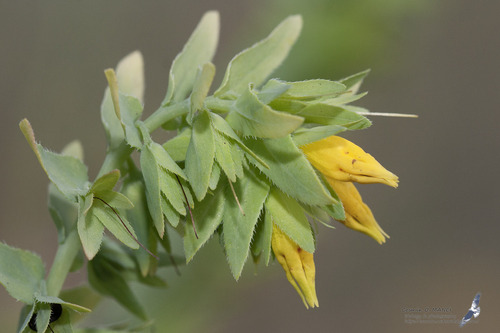
iNaturalist· cc-by-nc-nd
(c) Carol Jacobs-Carre, some rights reserved (CC BY-NC-ND)
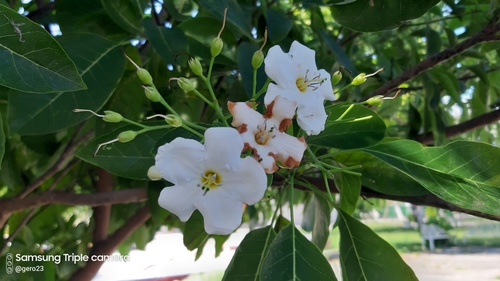
iNaturalist· cc-by-nc-nd
(c) Brent Miller, some rights reserved (CC BY-NC-ND)
Description
Hydrophyllum capitatum is a PERENNIAL growing to 0.5 m (1ft 8in). See above for USDA hardiness. It is hardy to UK zone 5. The species is hermaphrodite (has both male and female organs). Suitable for: light (sandy), medium (loamy) and heavy (clay) soils. Suitable pH: mildly acid, neutral and basic (mildly alkaline) soils. It can grow in semi-shade (light woodland). It prefers moist soil.
Edible Uses
Tender young shoots - cooked as a potherb. Root - cooked. Large and fleshy.
Distribution
Western N. America - Alberta to British Columbia, south to Oregon and Colorado.
Where It Grows
NORTHERN AMERICA: Canada (Alberta (southwest), British Columbia (southeast)), United States (Colorado (c. & s.w.), Idaho, Oregon, Washington, California, Nevada, Utah)
Cultivation
Requires a moist humus-rich soil in semi-shade. Grows well in an open woodland garden. The leaves are shaped in such a way that they collect rainwater in a cavity. Slugs are particularly fond of this plant and will soon destroy it if given a chance.
Propagation
Seed - best sown as soon as it is ripe in a cold frame. The seed usually germinates in early spring. Sow stored seed as early in the year as possible. When they are large enough to handle, prick the seedlings out into individual pots and grow them on in the greenhouse for their first winter. Plant them out into their permanent positions in late spring or early summer, after the last expected frosts. Division in spring or autumn. Very easy, larger clumps can be replanted direct into their permanent positions, though it is best to pot up smaller clumps and grow them on in a cold frame until they are rooting well. Plant them out in the spring.