Fragaria - .
.
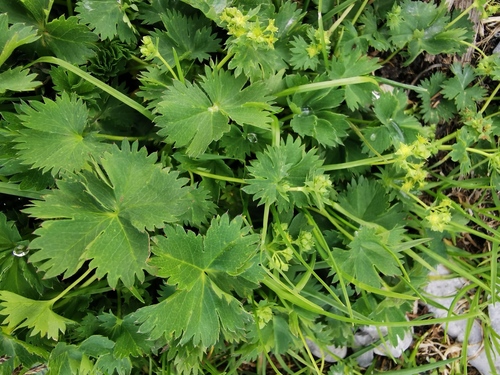
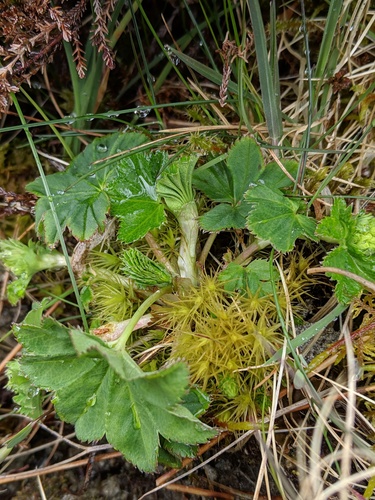
Strawberry, Beach strawberry, Pacific beach strawberry, Sandwich beach strawberry, Virginia strawber
gbif· cc-by-nc
Sepp Schmid
gbif· cc-by-nc
Lucas C. Wheeler
gbif· cc0
Patrick Le Mao
Description
Fragaria is a PERENNIAL growing to 0.2 m (0ft 8in) by 1 m (3ft 3in). See above for USDA hardiness. It is hardy to UK zone 5 and is not frost tender. It is in flower from May to November, and the seeds ripen from June to November. The species is hermaphrodite (has both male and female organs) and is pollinated by Insects. Suitable for: light (sandy), medium (loamy) and heavy (clay) soils and prefers well-drained soil. Suitable pH: mildly acid, neutral and basic (mildly alkaline) soils. It can grow in semi-shade (light woodland) or no shade. It prefers moist soil.
Edible Uses
Fruit - raw. A delicious flavour, the fruit is almost as large as an average cultivated strawberry but it is not very freely produced.
Distribution
A hybrid of garden origin, F. x ananassa x Potentilla palustris.
Where It Grows
Coming Soon
Cultivation
Prefers a fertile, well-drained, moisture retentive soil in a sunny position. Tolerates semi-shade though fruit production will be reduced. This species is a hybrid of garden origin between two species from different genera, the cultivated strawberry, Fragaria x ananassa and the marsh cinquefoil, Potentilla palustris. It should eventually get a Latin name that combines parts of the two generic names, but until then it is included here under Fragaria. To date (1995) only one cultivar is available in garden centres etc. Called 'Pink Panda' it spreads very freely by means of runners, flowers heavily all through the summer, but does not produce much fruit.
Propagation
Seed - sow early spring in a greenhouse. The seed can take 4 weeks or more to germinate. The seedlings are very small and slow-growing at first, but then grow rapidly. Prick them out into individual pots when they are large enough to handle and plant them out during the summer. This plant is a bi-generic hybrid and will not breed true from seed. Division of runners, preferably done in July/August in order to allow the plants to become established for the following years crop. They can also be moved in the following spring if required, though should not then be allowed to fruit in their first year. The runners can be planted out direct into their permanent positions.
Other Uses
The plant spreads rapidly by means of runners and can be used as a ground cover.