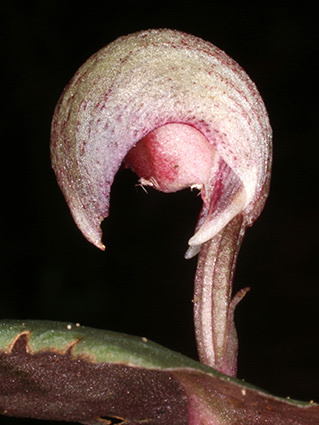
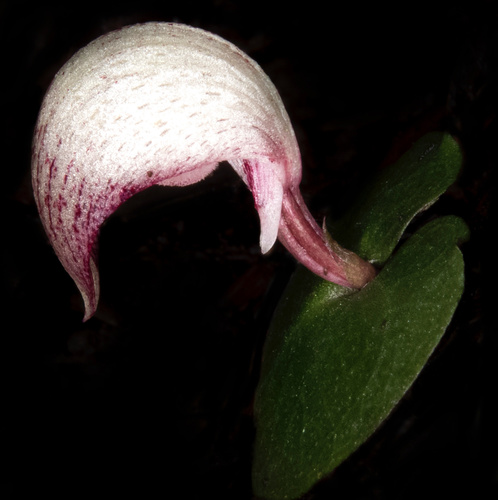
Diuris maculata
Smith
Leopard orchid, Common donkey-orchid, Spotted Double Tails
iNaturalist· cc-by-nc
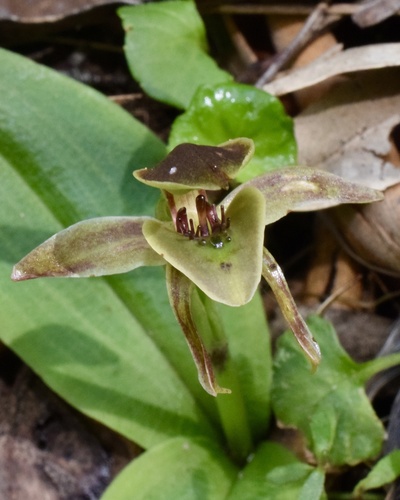
(c) Ian McMaster, some rights reserved (CC BY-NC), uploaded by Ian McMaster
iNaturalist· cc-by-nc
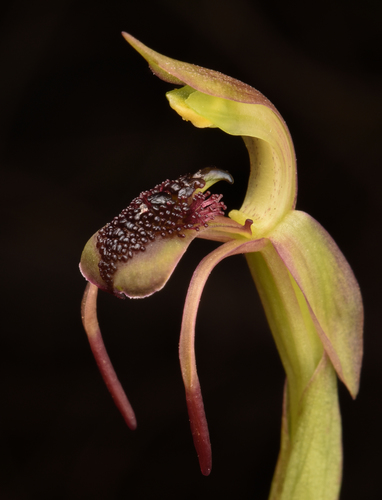
(c) Darcy, some rights reserved (CC BY-NC)
iNaturalist· cc-by
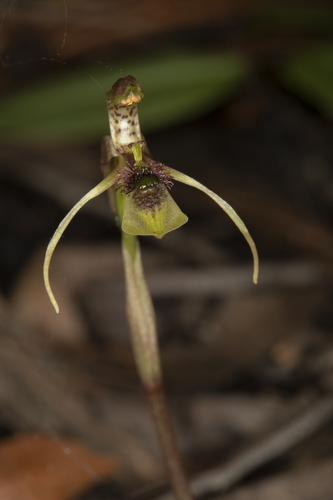
(c) Chris Lindorff, some rights reserved (CC BY), uploaded by Chris Lindorff
Summary
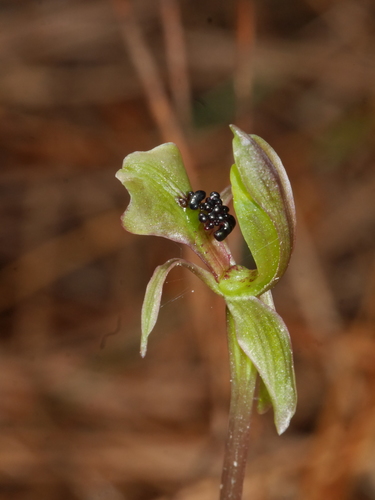
Source: WikipediaDiuris maculata, commonly known as the spotted doubletail, is a species of orchid endemic to New South Wales. It has up to two or three folded leaves and a flowering stem with up to eight yellow flowers with brown to blackish markings. It is similar to D. pardina which has darker flowers with larger brown markings.
Description
A ground orchid. The leaves are 30 cm long and 0.3-0.5 cm wide. There are 2-3 leaves per plant. The flowering stems are 15-35 cm long. The flowers are yellow and 2.5 cm across. They have dark brown blotches and spots. There are 2-3 flowers but up to 10 blooms on each flower stem. The petals are oval or round.
Edible Uses
The tubers and roots are edible.
Traditional Uses
Australia*, Britain, Europe, Tasmania,
This uses section is brief — help expand it
Distribution
It is a warm temperate plant. It grows in heathlands and open forests in rocky places. It is best in light, sandy, well-drained soils in a protected shaded position. It is damaged by drought and frost. It suits hardiness zones 8-11.
Production
There are about 50 Diurus species. The Tasmanian plant may be Diuris pardina.
Synonyms
References (11)
- Bodkin, F., 1991, Encyclopedia Botanica. Cornstalk publishing, p 351
- Collier, P., 1993, Orchids of Tasmania. Plant Identikit. Society for growing Australian Plants. Tasmania. p 38
- Cundall, P., (ed.), 2004, Gardening Australia: flora: the gardener's bible. ABC Books. p 507
- Dashorst, G.R.M., and Jessop, J.P., 1998, Plants of the Adelaide Plains & Hills. Botanic Gardens of Adelaide and State Herbarium. p 204
- Elliot, W.R., & Jones, D.L., 1984, Encyclopedia of Australian Plants suitable for cultivation. Vol 3. Lothian. p 306
Show all 11 references Hide references
- Grieg, D., 2002, A photographic guide to Wildflowers of South-eastern Australia. New Holland. p 92
- Lim, T. K., 2015, Edible Medicinal and Non Medicinal Plants. Volume 9, Modified Stems, Roots, Bulbs. Springer p 39
- Low, T., 1992, Bush Tucker. Australia’s Wild Food Harvest. Angus & Robertson. p 120
- Minchin, R.F., Tasmanian Wildflowers. A Field Guide. Volume one. Regal Publications, Launceston p 16
- Tasmanian Herbarium Vascular Plants list p 73 (Diurus pardina)
- Zola, N., & Gott, B., 1992, Koorie Plants Koorie People. Koorie Heritage Trust. p 45