Diploglottis smithii
S.T. Reynolds
Smith’s tamarind
iNaturalist· cc-by-nc
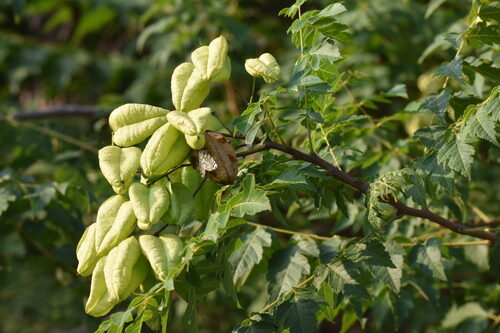
(c) ryanthughes, some rights reserved (CC BY-NC)
iNaturalist· cc-by-nc
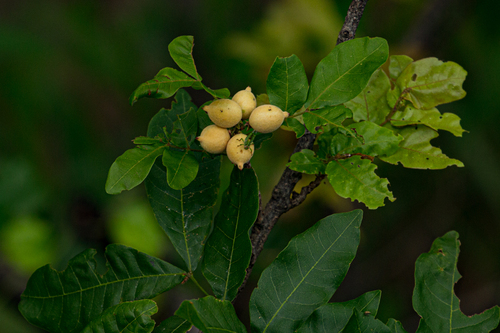
(c) kerrycoleman, some rights reserved (CC BY-NC)
iNaturalist· cc-by-nc
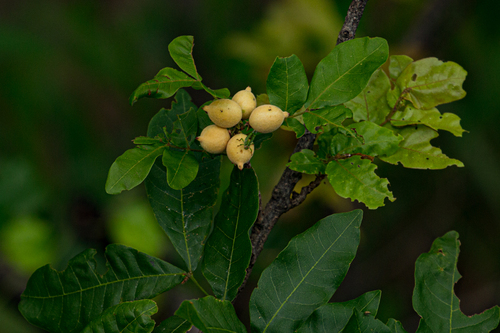
(c) kerrycoleman, some rights reserved (CC BY-NC)
Summary
Source: WikipediaDiploglottis smithii, commonly known as Smith's tamarind or wild tamarind, is a plant in the maple family Sapindaceae found only in the Wet Tropics bioregion of Queensland, Australia.
Description
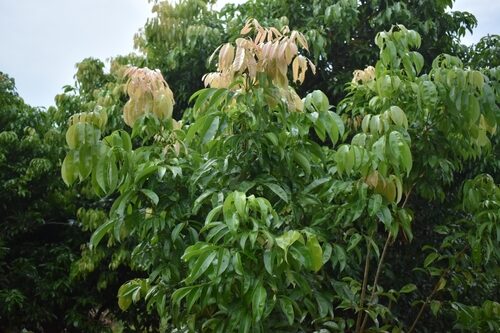
A medium sized tree. It grows 7-15 m tall and 3-8 m wide. Young shoots have rusty hairs. The leaves are 30-45 cm long. The leaves are compound with 8-12 leaflets. These are 9-20 cm long. The underside of the leaflets has silky hairs. The flower panicles are 10-30 cm long. The flowers are 0.5 cm across and with some hairs. The fruit are 1.5-4.5 cm long by 2-5.5 cm wide. They occur in bunches in the axils of leaves. There are 2-3 seeds which are 1.3 cm long by 1 cm wide. The aril or layer around the seed is red or orange. It is edible.
Edible Uses
The fruit and aril are used to make drinks.
Traditional Uses
The fruit are good for drinks.
This uses section is brief — help expand it
Distribution
A tropical plant. It suits tropical and warm subtropical regions. They grow naturally in rainforest in NE Queensland, Australia. It grows from sea level to 670 m altitude. It needs some shade and well drained soil rich in organic matter. Melbourne Botanical gardens.
Where It Grows
Australia*,
Cultivation
Plants can be grown from fresh seed.
Notes
There are 8 Diploglottis species.
References (10)
- Cooper W & Cooper W T, 1994, Fruits of the Rain Forest. RD Press p 96
- Cooper, W. and Cooper, W., 2004, Fruits of the Australian Tropical Rainforest. Nokomis Editions, Victoria, Australia. p 488
- Elliot, W.R., & Jones, D.L., 1984, Encyclopedia of Australian Plants suitable for cultivation. Vol 3. Lothian. p 291
- Hibbert, M., 2002, The Aussie Plant Finder 2002, Florilegium. p 88
- Jackes, B.R., 2001, Plants of the Tropics. Rainforest to Heath. An Identification Guide. James Cook University. p 80
Show all 10 references Hide references
- Jones, D. L., 1986, Ornamental Rainforest Plants in Australia, Reed Books, p 125
- Lazarides, M. & Hince, B., 1993, Handbook of Economic Plants of Australia, CSIRO. p 82
- Lyle, S., 2006, Discovering fruit and nuts. Land Links. p 262
- Radke, P & A, Sankowsky, G & N., 1993, Growing Australian Tropical Plants. Frith & Frith, Australia. p 4, 8, 34
- Townsend, K., 1994, Across the Top. Gardening with Australian Plants in the tropics. Society for Growing Australian Plants, Townsville Branch Inc. p 164