Alsophila camerooniana
(Hook.) R. M. Tryon
iNaturalist· cc-by-nc
(c) Carel Jongkind, some rights reserved (CC BY-NC), uploaded by Carel Jongkind
iNaturalist· cc-by-nc
(c) Carel Jongkind, some rights reserved (CC BY-NC), uploaded by Carel Jongkind
iNaturalist· cc-by-nc
(c) Nick Helme, some rights reserved (CC BY-NC)
Summary
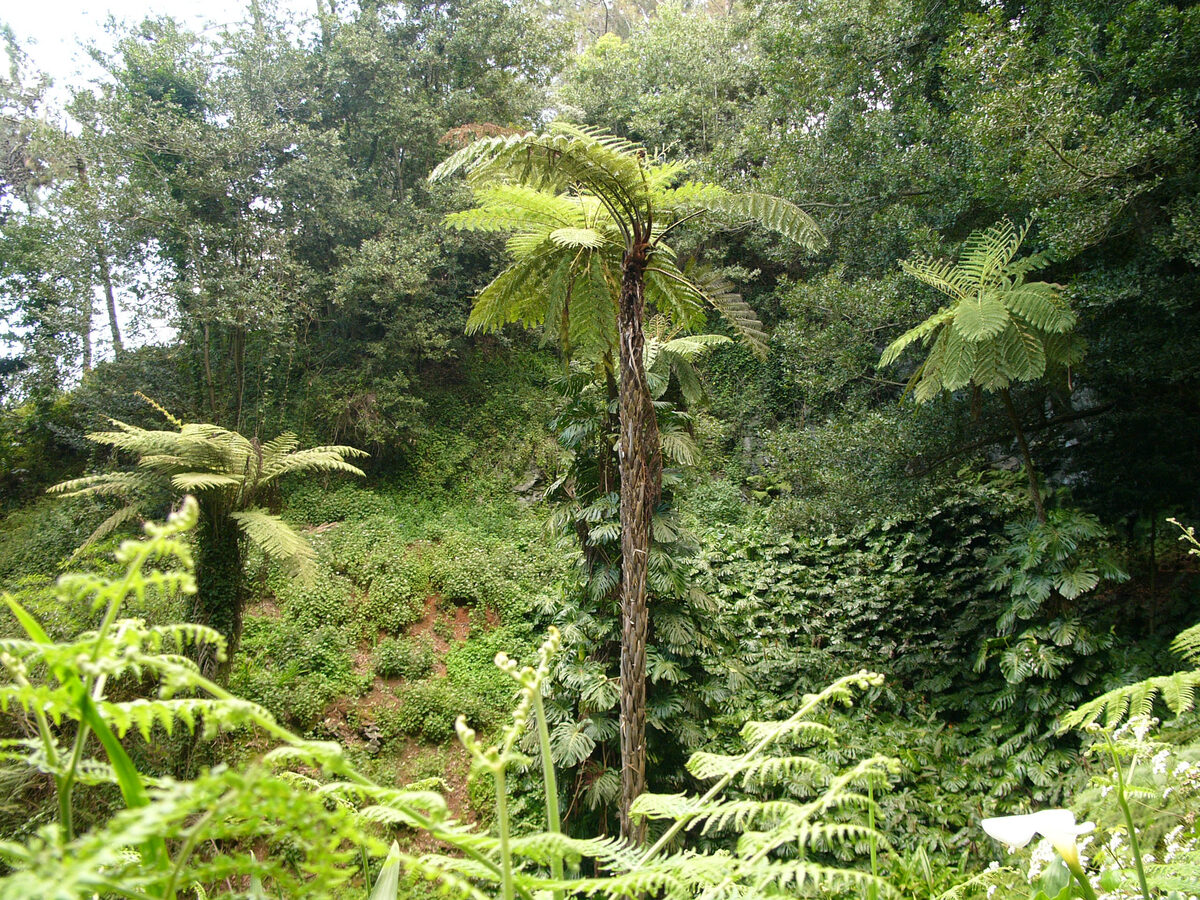
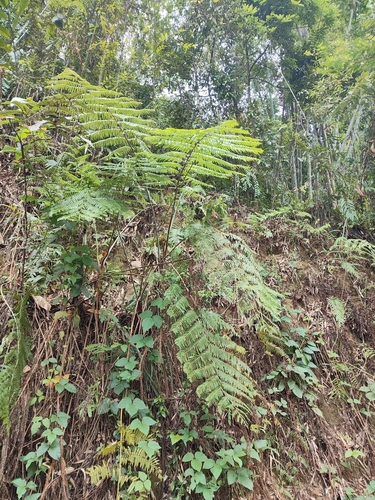
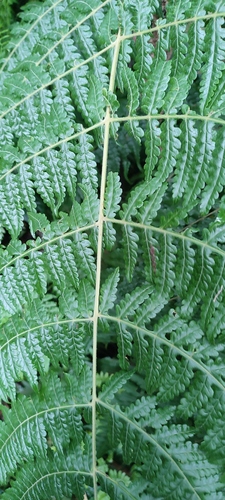
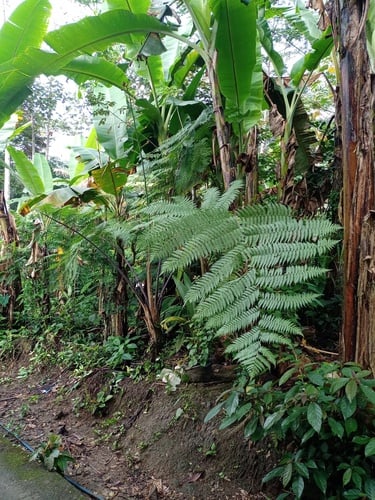
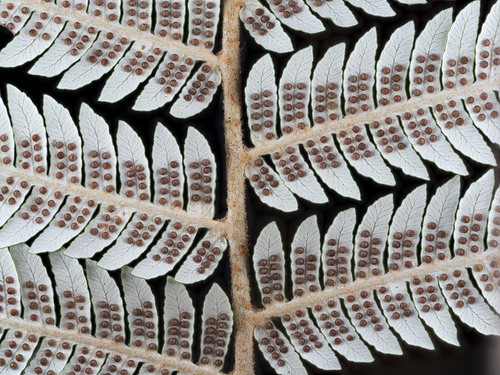
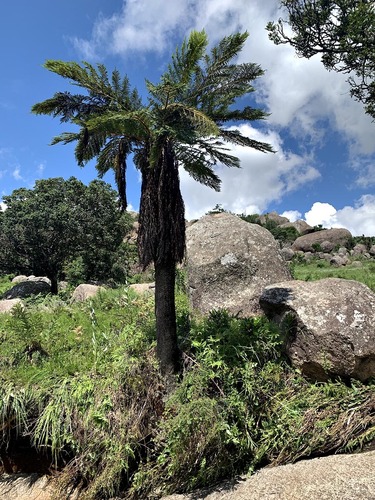
Source: WikipediaAlsophila camerooniana, synonym Cyathea camerooniana, is a species of tree fern native to Sierra Leone, Cameroon, northern Angola and western Uganda, where it grows in montane forest at an altitude of 900–1200 m. The trunk is erect and 2–3 m tall. Fronds are pinnate and 2–3 m long. The rachis ranges in colour from dark to pale and has some hairs on the underside. The stipe is dark and is covered with scales throughout. Where scales have fallen, small warts are present. The scales are glossy brown and have a thin, dull edge. Sori occur at the forks of veins and are covered by thin indusia, which range in shape from cup- to saucer-like. Alsophila camerooniana is a highly variable species. Several varieties have been described based on minor frond and indusial differences. A. c. var. ugandensis is the only representative of this species present in Uganda and is the most isolated variety.
Description
A tropical tree fern in the Cyatheaceae family that grows at elevations between 900-1,200 meters above sea level.
This description is brief — help expand it
Edible Uses
The fronds are edible.
Distribution
It is a tropical plant. It grows between 90o-1,200 m above sea level.
Where It Grows
Africa, Angola, Cameroon, Central Africa, Central African Republic, Congo DR, Côte d'Ivoire, Equatorial Guinea, Gabon, Ghana, Guinea, Guinée, Ivory Coast, Liberia, Nigeria, Sierra Leone, Uganda, West Africa,
Synonyms
References (1)
- World Checklist of Useful Plant Species 2020. Royal Botanic Gardens, Kew