Asparagus densiflorus
(Kunth) Jessop
Foxtail fern, Asparagus fern
iNaturalist· cc-by-sa
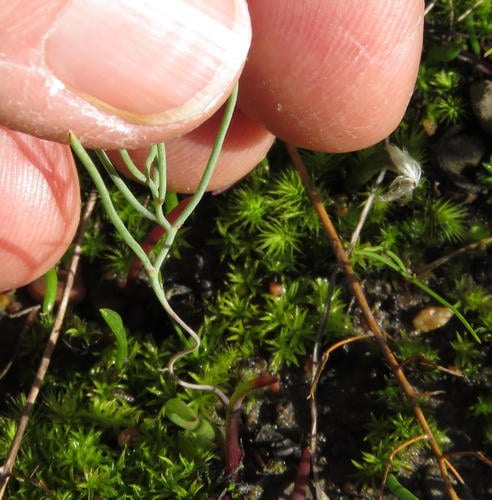
(c) Tony Rebelo, some rights reserved (CC BY-SA), uploaded by Tony Rebelo
iNaturalist· cc-by-nc
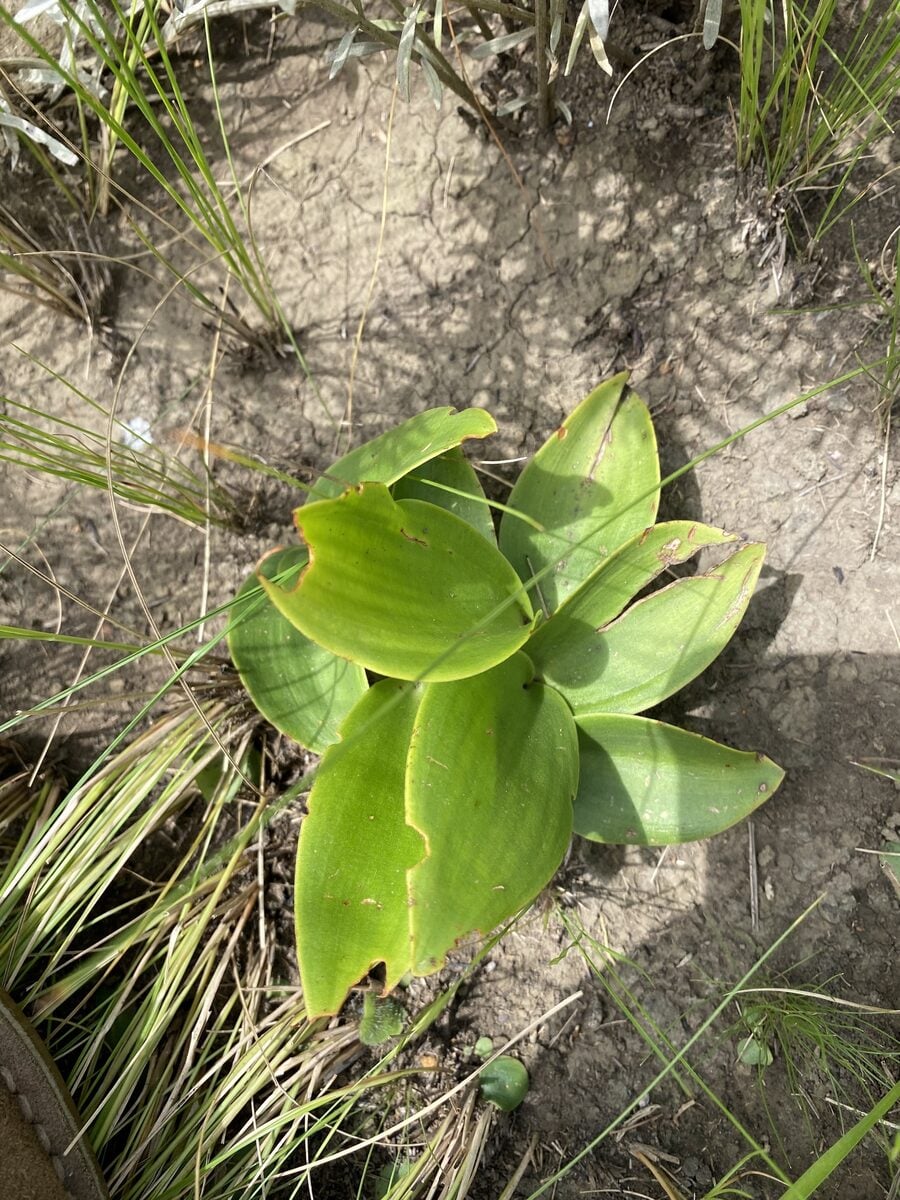
(c) Craig Peter, some rights reserved (CC BY-NC), uploaded by Craig Peter
iNaturalist· cc-by-nc
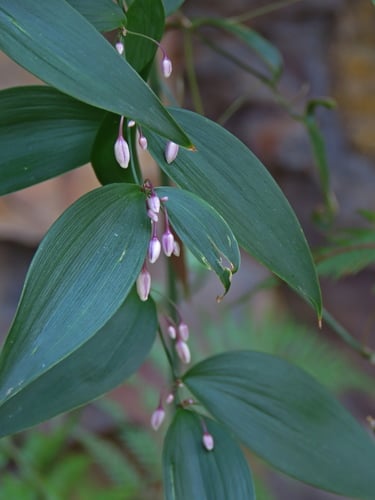
(c) colbert_r_22, some rights reserved (CC BY-NC)
Summary
Source: WikipediaAsparagus densiflorus (among several species colloquially called asparagus ferns; no relation to actual ferns), or the foxtail fern (asparagus) or plume fern, is a variable, evergreen-perennial plant related to cultivated, edible asparagus. It is native to southern Africa, from Mozambique to South Africa, but is widely cultivated.
Description
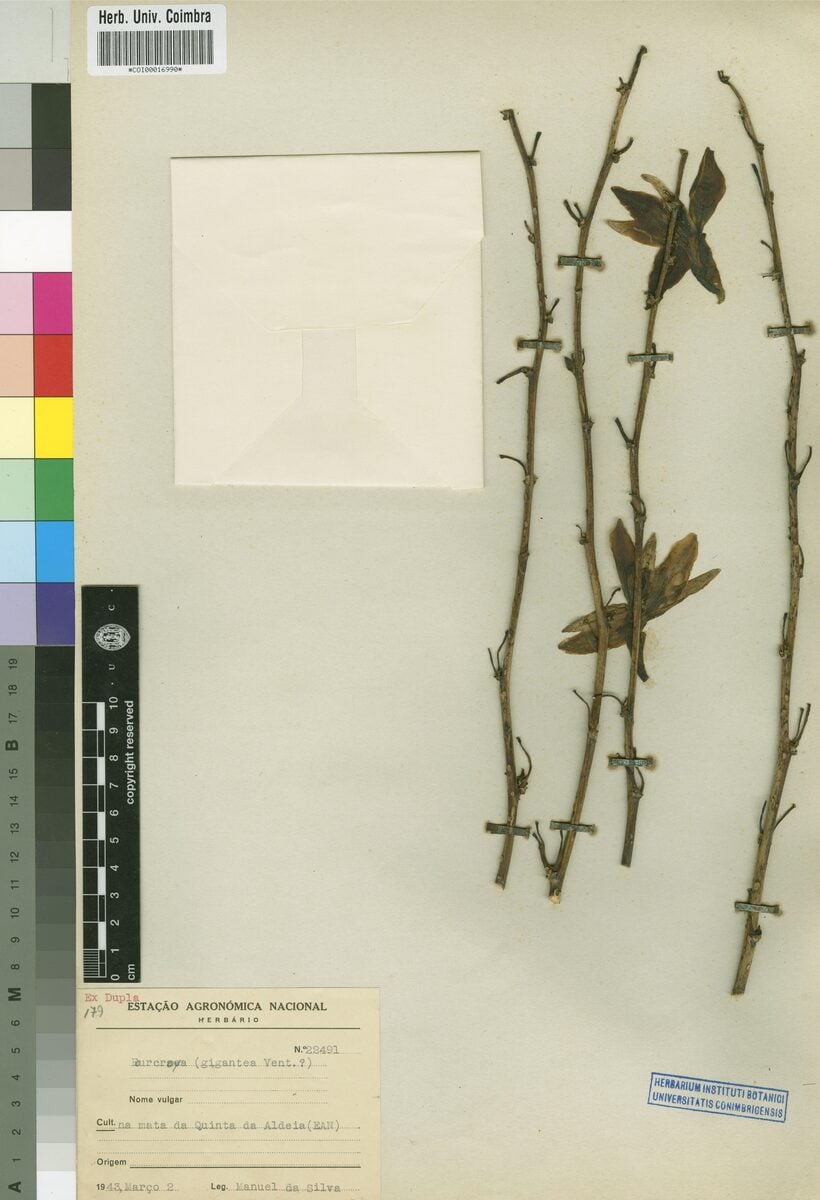
A small climbing shrub. The vines can be 3 m long. The branches are 1 m long. They have lines along them. The fruit are red and 8-10 mm across. There are 1 or 2 seeds.
Known Hazards
Eating the fruit is known to cause gastrointestinal problems in humans, though the effects are fairly mild. Skin contact with the sap can cause a minor, short-lived irritation.
Distribution
It is a tropical plant.
Where It Grows
Asia, Central America, China, India, Mozambique, Nicaragua, Pakistan, South Africa,
Cultivation
Asparagus densiflorus is a plant of the subtropics and tropics, where it is found at elevations up to metres. It grows best in areas where annual daytime temperatures are within the range 21 - 27°c, but can tolerate 15 - 32°c. Mature plants can be killed by temperatures of -7°c or lower, although new growth can be severely damaged at 0°c. It prefers a mean annual rainfall in the range 1,000 - 1,400mm, but tolerates 700 - 1,700mm. Grows best in a sunny position, but will tolerate some shade. Prefers a well-drained, medium-textured soil. Tolerant of at least some salt in the soil. Prefers a pH in the range 6 - 7, tolerating 5.5 - 7.5. Established plants are fairly drought tolerant. The plant is widely grown as an ornamental and has sometimes escaped from cultivation and become naturalized. It is dispersed by birds who eat the fruit then void the unharmed seed.
Propagation
Seed - it needs to be removed from the fruit. It germinates best at a temperature of 25°c. Division of the tubers into fairly large clumps.
Other Uses
A good ground cover plant. The cultivars 'Sprengeri', 'Flagstaff' and 'Mazeppa' are particularly useful for ground cover. The plant has an extensive root system and can be used to control soil erosion.
Synonyms
Also Known As
Satawari
References (1)
- Kumar, R. & Saikia, P., 2020, Wild edible plants of Jharkhand and their utilitarian perspectives. Indian Journal of Traditional Knowledge Vol 19 (2), April 2020, pp 237-250