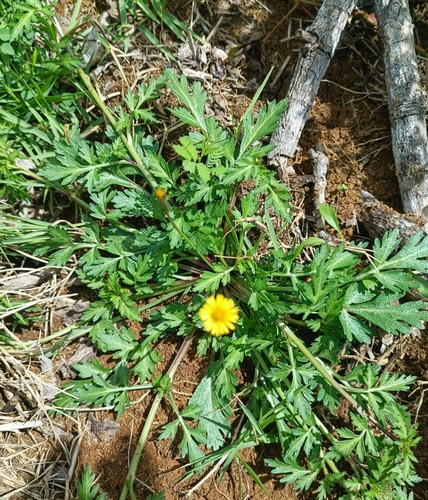
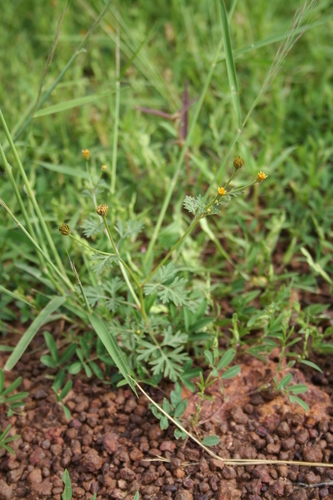
Xerochrysum bracteatum
(Vent.) Tzvelev
Golden everlasting daisy
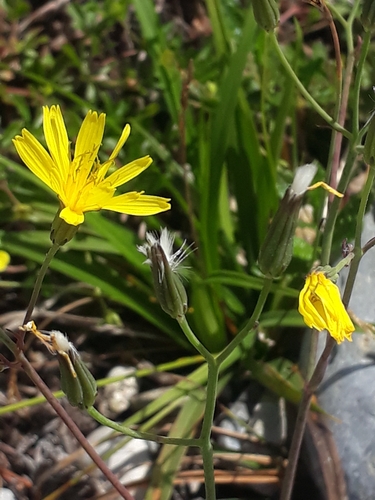
iNaturalist· cc-by-nc
(c) cosmicseacow, some rights reserved (CC BY-NC)
iNaturalist· cc-by-nc
(c) Manda, some rights reserved (CC BY-NC)
iNaturalist· cc-by-nc
(c) Manda, some rights reserved (CC BY-NC)
Summary
Source: WikipediaXerochrysum bracteatum, commonly known as the golden everlasting or strawflower, is a flowering plant in the family Asteraceae native to Australia. Described by Étienne Pierre Ventenat in 1803, it was known as Helichrysum bracteatum for many years before being transferred to a new genus Xerochrysum in 1990. It is an annual up to 1 m (3.3 ft) tall with green or grey leafy foliage. Golden yellow or white flower heads are produced from spring to autumn; their distinctive feature is the papery bracts that resemble petals. The species is widespread, growing in a variety of habitats across the country, from rainforest margins to deserts and subalpine areas. The golden everlasting serves as food for various larvae of lepidopterans (butterflies and moths), and adult butterflies, hoverflies, native bees, small beetles, and grasshoppers visit the flower heads. The golden everlasting has proven very adaptable to cultivation. It was propagated and developed in Germany in the 1850s, and annual cultivars in a host of colour forms from white to bronze to purple flowers became available. Many of these are still sold in mixed seed packs. In Australia, many cultivars are perennial shrubs, which have become popular garden plants. Sturdier, long-stemmed forms are used commercially in the cut flower industry.
Description
A shrubby herb about 1 m tall. The flowers are small and white, yellow or red but are grouped into a cluster.
This description is brief — help expand it
Distribution
It is a temperate plant.
Where It Grows
Australia,
Cultivation
Plants can be grown from seed and also from cuttings.
Synonyms
References (1)
- World Checklist of Useful Plant Species 2020. Royal Botanic Gardens, Kew