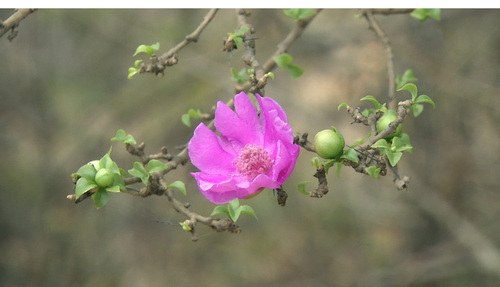
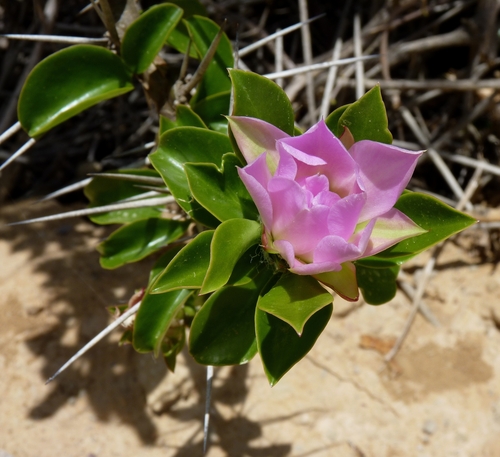
Harrisia adscendens
(Gurke) Britton & Rose
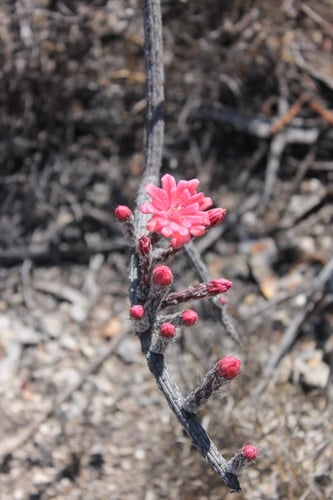
iNaturalist· cc-by-nc
(c) alexandre callou sampaio, some rights reserved (CC BY-NC), uploaded by alexandre callou sampaio
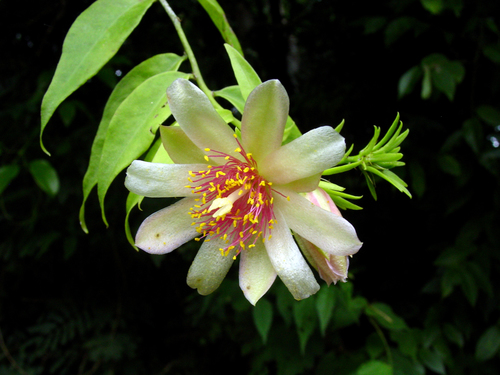
iNaturalist· cc-by-nc
(c) Frederico Acaz Sonntag, some rights reserved (CC BY-NC), uploaded by Frederico Acaz Sonntag
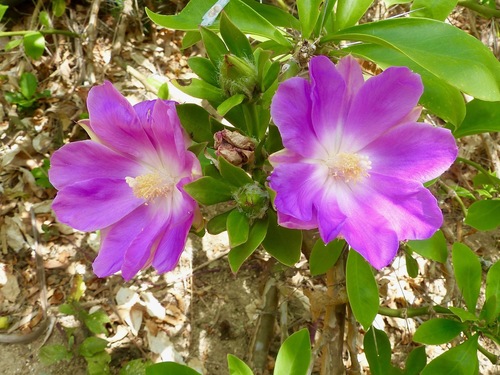
iNaturalist· cc-by-nc
(c) Martin Lowry, some rights reserved (CC BY-NC), uploaded by Martin Lowry
Summary
Source: WikipediaHarrisia adscendens is a species of cactus found in Brazil.
Description
A shrubby cactus growing to approximately 2 m tall, native to tropical regions. It can be used as hedge plantings.
This description is brief — help expand it
Edible Uses
Fruit - raw. The red, globose fruits are free of spines and around 5 - 6cm in diameter. Harrisia fruits generally contain a sweet, edible, white pulp with hundreds to thousands of tiny seeds embedded in the pulp. The fruit usually tears open at the sides as it ripens to expose the inner pulp and seed.
Medicinal Uses
A decoction of the root is used medicinally. No more information
Distribution
It is a tropical plant.
Where It Grows
Brazil, South America,
Cultivation
It can be used in hedges.
Propagation
Seed - usually germinates quickly and well without pre-treatment, though fresh seed may have a short dormancy of up to 8 weeks, Washing the seed in water prior to sowing can shorten germination time. Cuttings. Vegetative reproduction is frequent in nature when stems break and detach from the parent plant. The stems can proceed to produce roots along tissue nearest to the ground and produce a new plant.
Synonyms
References (1)
- Taylor, N. P., 2000, Taxonomy and phytogeography of the Cactaceae of eastern Brazil. PhD thesis. The Open University.