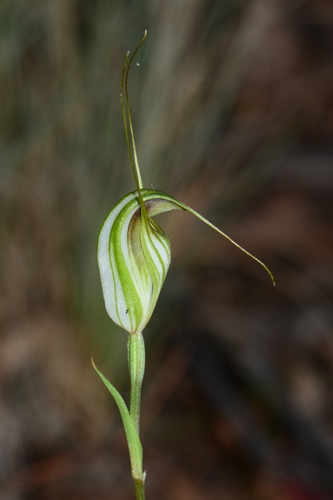
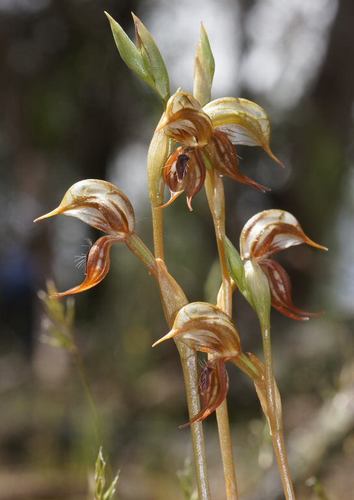
Crepidium acuminatum
(D. Don) Szlach.;
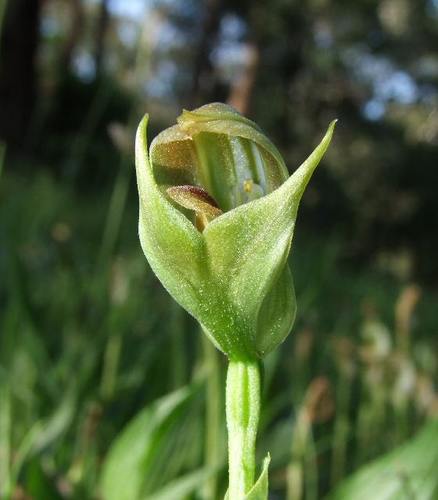
iNaturalist· cc-by-nc
(c) eec, some rights reserved (CC BY-NC), uploaded by eec
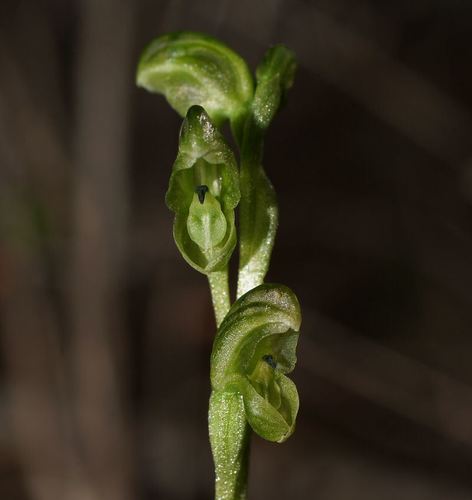
iNaturalist· cc-by-nc
(c) BioM_Akekachoke.B, some rights reserved (CC BY-NC)
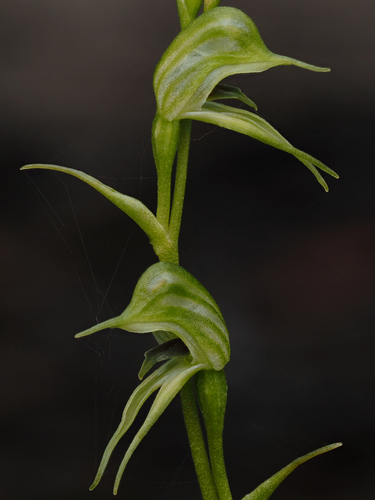
iNaturalist· cc-by-nc
(c) BioM_Akekachoke.B, some rights reserved (CC BY-NC)
Description
An orchid.
This description is brief — help expand it
Medicinal Uses
Crepidium acuminatum is one of a group of eight plants, known collectively as 'Astavarga' in India, whose underground parts are seen in Ayurveda as general tonics that can strengthen the vital force in the body, improve cell regeneration capacity and boost the immune system. They can each be used on their own, and they are also used in the preparation of different types of rejuvenating tonics in traditional Ayurvedic medicine. One of the most important of these is 'Chyavanprash', a polyherbal formulation comprising more than 50 different plant ingredients, which is widely used in India as a general tonic, energy booster, immune system strengthener and aphrodisiac. The plant is used in the treatment of a wide range of conditions, including blood disorders, burning sensation in the body, male sterility, fever, dysentery, external and internal haemorrhage and general weakness. It is also used as an aphrodisiac, against insect bite and rheumatism.
Distribution
It is a temperate plant.
Where It Grows
Asia, China, India,
Cultivation
Crepidium acuminatum is found in a range of climates from the warm temperate zone of the Himalayas and China through to the tropics of southeast Asia. Orchids are, in general, shallow-rooting plants of well-drained low-fertility soils. Even those species that grow in bogs tend to be in the drier areas of the bog with plenty of water 15cm or more below soil level. Their symbiotic relationship with a fungus in the soil allows them to obtain sufficient nutrients and be able to compete successfully with other plants. They are very sensitive to the addition of fertilizers or fungicides since these can harm the symbiotic fungus and thus kill the orchid.
Propagation
Seed - surface sow, preferably as soon as it is ripe, in the greenhouse and do not allow the compost to dry out. The seed of this species is extremely simple, it has a minute embryo surrounded by a single layer of protective cells. It contains very little food reserves and depends upon a symbiotic relationship with a species of soil-dwelling fungus. The fungal hyphae invade the seed and enter the cells of the embryo. The orchid soon begins to digest the fungal tissue and this acts as a food supply for the plant until it is able to obtain nutrients from decaying material in the soil. It is best to use some of the soil that is growing around established plants in order to introduce the fungus, or to sow the seed around a plant of the same species and allow the seedlings to grow on until they are large enough to move. Division in autumn. The plant is very intolerant of root disturbance, any moving or dividing should be attempted in the autumn, keep a large ball of soil around the plant.
Synonyms
References (1)
- Yonzone, R., et al, Orchids in Ethnobotany. Ethnobotany and Medicinal Plants. ISBN 978-93-5067-867-1 (As Microstylis wallachii)