Trichosanthes costata
Blume
Ribbed orange gourd
iNaturalist· cc-by-nc
(c) Andreas Berger, some rights reserved (CC BY-NC)
gbif· cc-by
sucker69420
iNaturalist· cc-by-nc
(c) Andreas Berger, some rights reserved (CC BY-NC)
iNaturalist· cc-by-nc
(c) Andreas Berger, some rights reserved (CC BY-NC)
Description
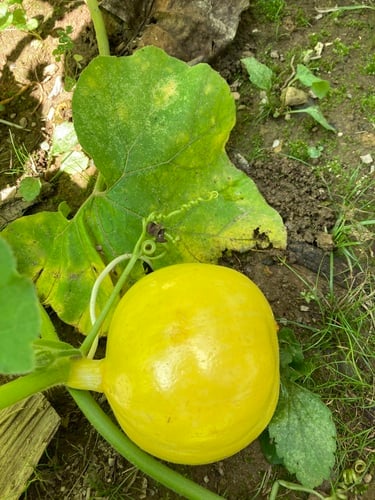
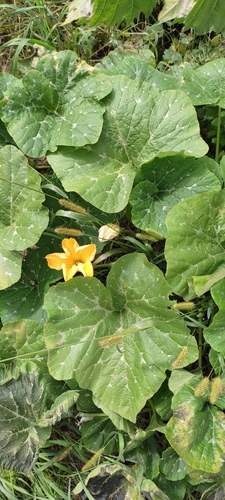
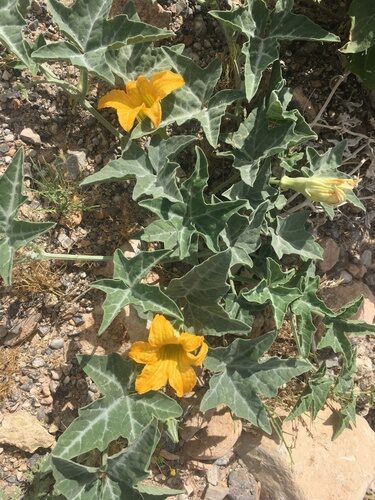
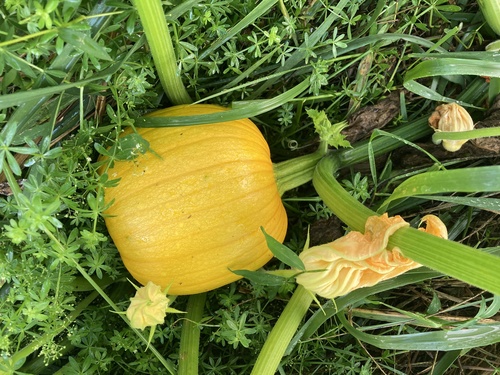
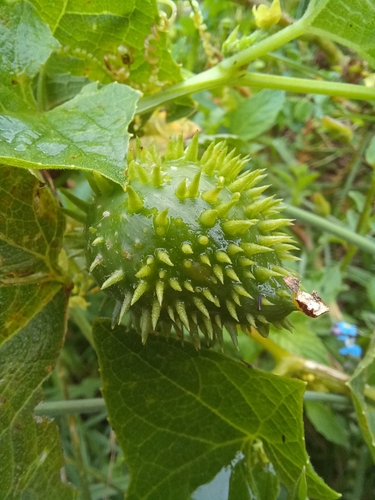
A pumpkin family herb. It is a climber. The stems and branches are slender. The leaves are oval to heart-shaped and 4-8 cm long by 4-8 cm wide. They have 3-5 lobes. The middle lobe is larger and the surfaces are rough. Both male and female flowers occur singly. The fruit are oval and 4-5 cm long. They have 10 ribs. The seeds are oblong and 7 mm long by 3 mm wide.
Edible Uses
The unripe, deseeded fruits are candied or used as condiment. The fruit is a red, ovoid to oblongoid berry, 50mm long and 23mm wide, containing numerous seeds. The leaves are used as a vegetable.
Medicinal Uses
Medicinally the leaves are used against rheumatism and tetanus, and to cure ophthalmia. A decoction of the leaves is used to treat tetanus that has followed a miscarriage. The decoction is also used as an antidote to poisoning from eating the fruit. The juice squeezed from the leaves is dropped into the eyes as a treatment for ophthalmia.
Known Hazards
Eaten as a vegetable in Vietnam, the leave are used as a fish poison in Laos. The fruits are said to be very poisonous, though are also recorded as being used as a condiment and sweetmeat.
Distribution
It is a subtropical plant.
Where It Grows
Asia, Bangladesh, Bhutan, Cambodia, China, India, Indonesia, Laos, Malaysia, Myanmar, Nepal, Northeastern India, Philippines, SE Asia, Sri Lanka, Thailand, Vietnam,
Synonyms
References (2)
- Seal, T., et al, 2014, Nutritional potential of wild edible fruits traditionally used by the local people of Meghalaya state in India. Indian Journal of Natural Products and Resources. Vol. 5(4) December 2014 pp. 359-364 (As Gymnopetalum cochinchinense)
- World Checklist of Useful Plant Species 2020. Royal Botanic Gardens, Kew