Asparagus maritimus
(L.) Mill.
iNaturalist· cc-by-nc
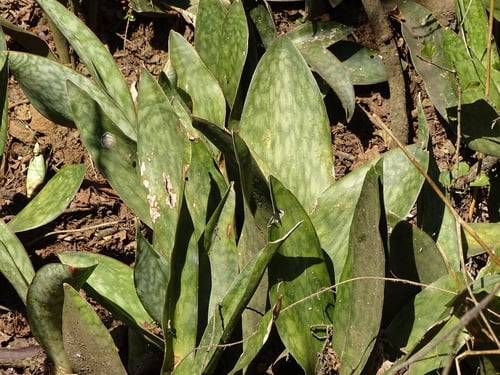
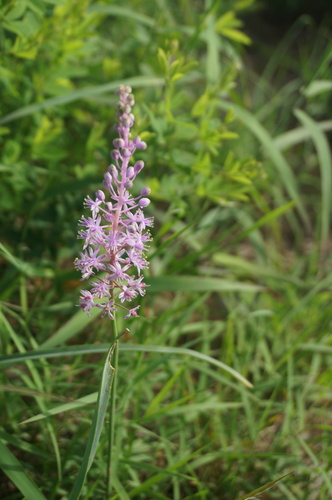
(c) Sylvain Piry, some rights reserved (CC BY-NC), uploaded by Sylvain Piry
iNaturalist· cc-by-nc
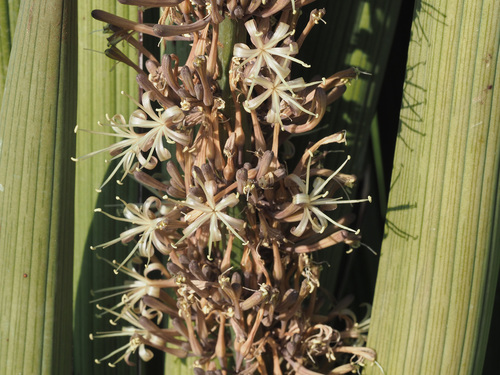
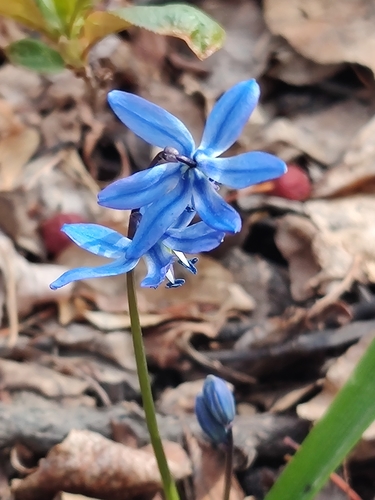
(c) josefwirth, some rights reserved (CC BY-NC)
iNaturalist· cc-by-nc
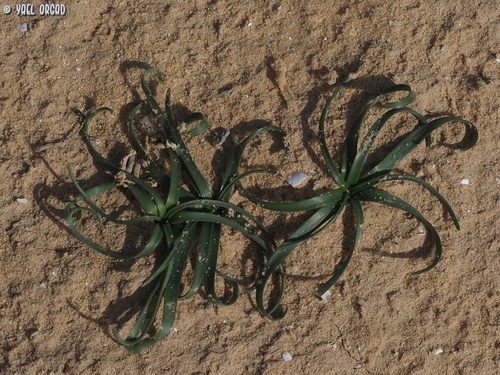
(c) josefwirth, some rights reserved (CC BY-NC)
Summary
Source: WikipediaAsparagus maritimus is a dense, thorny, shrub of the genus Asparagus that is indigenous to southern Europe and the Mediterranean. It is dioecious, with male and female flowers borne on separate plants. Asparagus maritimus is an edible plant, the stem is the only edible part of the plant. It grows in sandy soil mainly by the coastal areas of the Mediterranean sea with well-drained soil, moist soil, and full sun. A. maritimus is currently threatened with extinction.
Description
A dioecious perennial reaching 0.6 m tall with separate male and female plants required for seed production. Not self-fertile. Prefers light sandy and medium loamy well-drained soils with mildly acidic, neutral, or mildly alkaline pH. Requires full sun and cannot tolerate shade. Adapts to dry or moist conditions and tolerates maritime exposure.
Edible Uses
Edible Parts: Shoots Stem Edible Uses: Young shoots. No more details are given but it is likely that they are cooked and used like asparagus.
Traditional Uses
The young shoots are boiled and dressed with olive oil or cooked with eggs.
This uses section is brief — help expand it
Medicinal Uses
None known
Distribution
It is a temperate plant.
Where It Grows
Albania, Europe, Italy, Mediterranean,
Propagation
Seed - pre-soak for 12 hours in warm water and then sow in spring or as soon as the seed is ripe in early autumn in a greenhouse. It usually germinates in 3 - 6 weeks at 25°c. Prick out the seedlings into individual pots when they are large enough to handle and grow them on in a sunny position in the greenhouse for their first winter. Plant them out into their permanent positions in late spring or early summer. Division in early spring as the plant comes into growth.
Other Uses
None known Special Uses
Synonyms
References (2)
- Biscotti, N. et al, 2018, The traditional food use of wild vegetables in Apulia (Italy) in the light of Italian ethnobotanical literature. Italian Botanist 5:1-24
- World Checklist of Useful Plant Species 2020. Royal Botanic Gardens, Kew