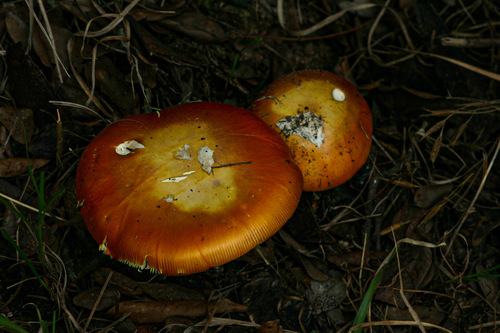
Amanita citrina
(Schaeff.) Pers.
iNaturalist· cc-by-nc
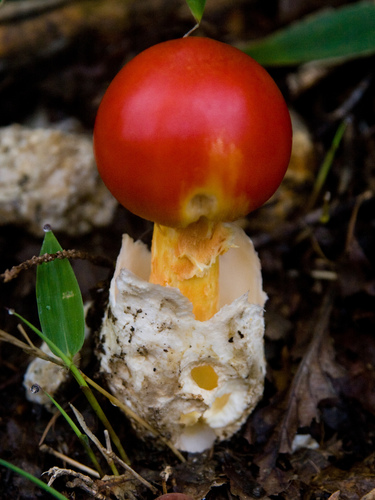
(c) Federico Calledda, some rights reserved (CC BY-NC), uploaded by Federico Calledda
iNaturalist· cc-by-nc
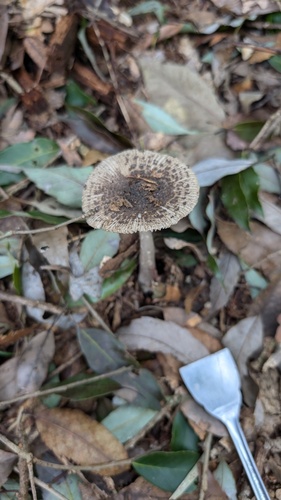
(c) lastovka, some rights reserved (CC BY-NC), uploaded by lastovka
iNaturalist· cc-by-nc-sa
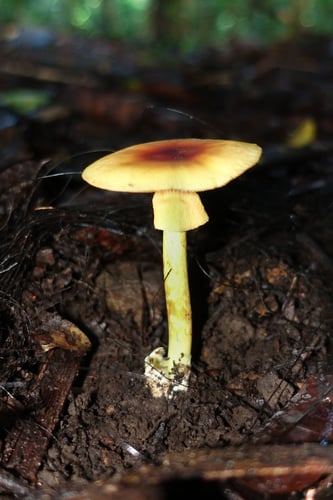
(c) Maria Emília Martins, some rights reserved (CC BY-NC-SA), uploaded by Maria Emília Martins
Summary
Source: WikipediaAmanita citrina (synonym Amanita mappa), commonly known as the false death cap or citron amanita, is a basidiomycotic mushroom. It grows in silicate soil in the summer and autumn months. It bears a pale yellow or sometimes white cap, with white stem, ring and volva. It is an inedible mushroom due to its toxicity, but is more pertinently often confused for the lethal death cap.
Description
A mushroom in the Amanitaceae family found in subtropical regions and sold in local markets.
This description is brief — help expand it
Traditional Uses
Caution: Some references say it is poisonous.
This uses section is brief — help expand it
Known Hazards
This mushroom contains the alpha-amanitin toxin, but possibly in small enough amounts that would not cause adverse effects unless ingested at high quantity. It also contains the toxin bufotenin. Although it is considered inedible, the biggest danger with this species is its marked similarity to the death cap. For further more information about DMT found in Amanita citrina see external link about the study made.
Distribution
It is a subtropical plant.
Where It Grows
Mexico,
Other Information
It is sold in local markets.