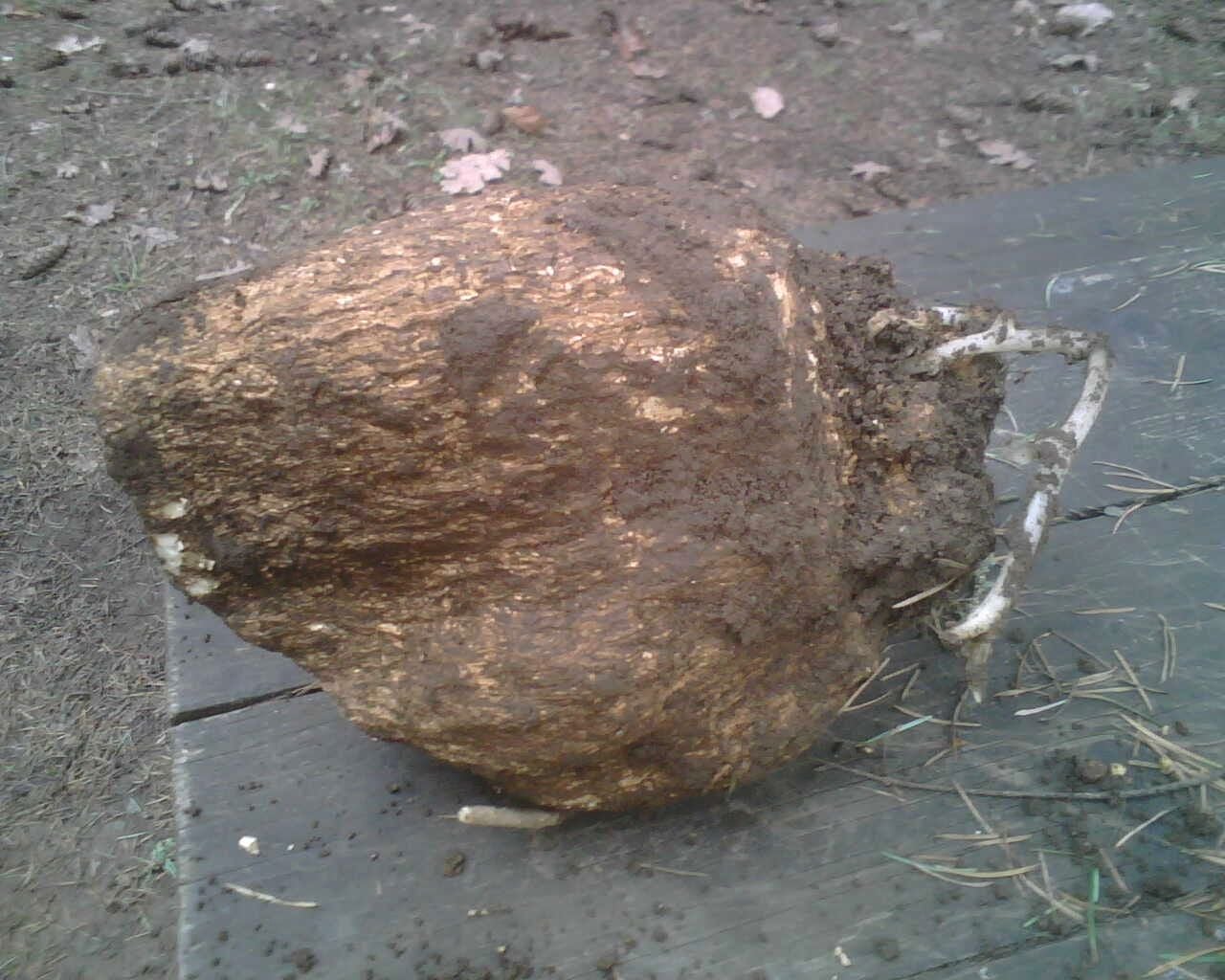
Fomitopsis officinalis
(Batsch.:Fr.) Bondartsev & Singer
Purging agaric
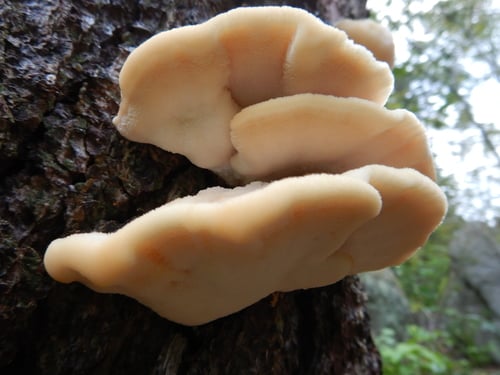
iNaturalist· cc-by-nc-sa
(c) Drew T Henderson, some rights reserved (CC BY-NC-SA)
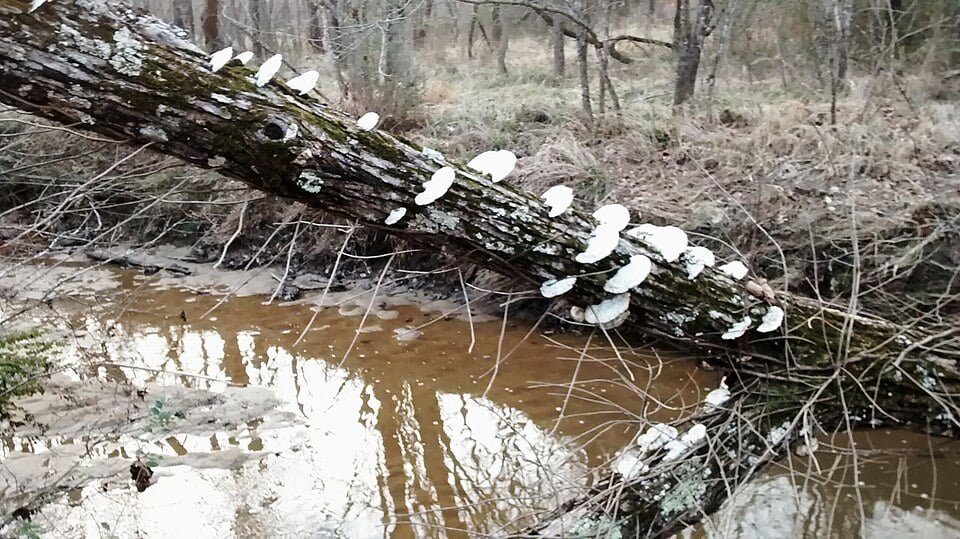
iNaturalist· cc-by-nc-sa
(c) Drew T Henderson, some rights reserved (CC BY-NC-SA)
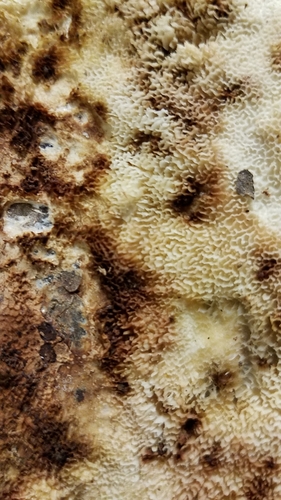
iNaturalist· cc-by-nc-sa
(c) Drew T Henderson, some rights reserved (CC BY-NC-SA)
Description
A medicinal mushroom in the family Fomitopsidaceae found in temperate regions.
This description is brief — help expand it
Edible Uses
The mushroom fruiting body is used medicinally.
Medicinal Uses
L. officinalis was used by the Ancient Greeks to treat consumption (tuberculosis) according to the writings of Pedanius Dioscorides in 65 CE, and by some indigenous people to treat smallpox. Later on, the conks were collected extensively for production of medicinal quinine, hence the name "quinine conk", which they were thought to contain because of the bitter taste of the powdered conk. In fact, they do not possess anti-malarial properties. Mycologist Paul Stamets has performed numerous investigations of the species' biological activities; its extracts have demonstrated antiviral activity against a range of viruses in vitro. This activity has been specifically observed against pox family viruses, HSV-1 and HSV-2, Influenza A, Influenza B, and Mycobacterium tuberculosis in vitro. Other researchers have identified novel chlorinated coumarins in the organism which demonstrated notably low minimum inhibitory concentrations against the Mycobacterium tuberculosis complex.
Distribution
It is a temperate plant.
Where It Grows
Asia, China,
Synonyms
Also Known As
Yaoyong cengkongjun
References (1)
- Hall, I. R., et al, 2003, Edible and Poisonous Mushrooms of the World. Timber Press. p 315