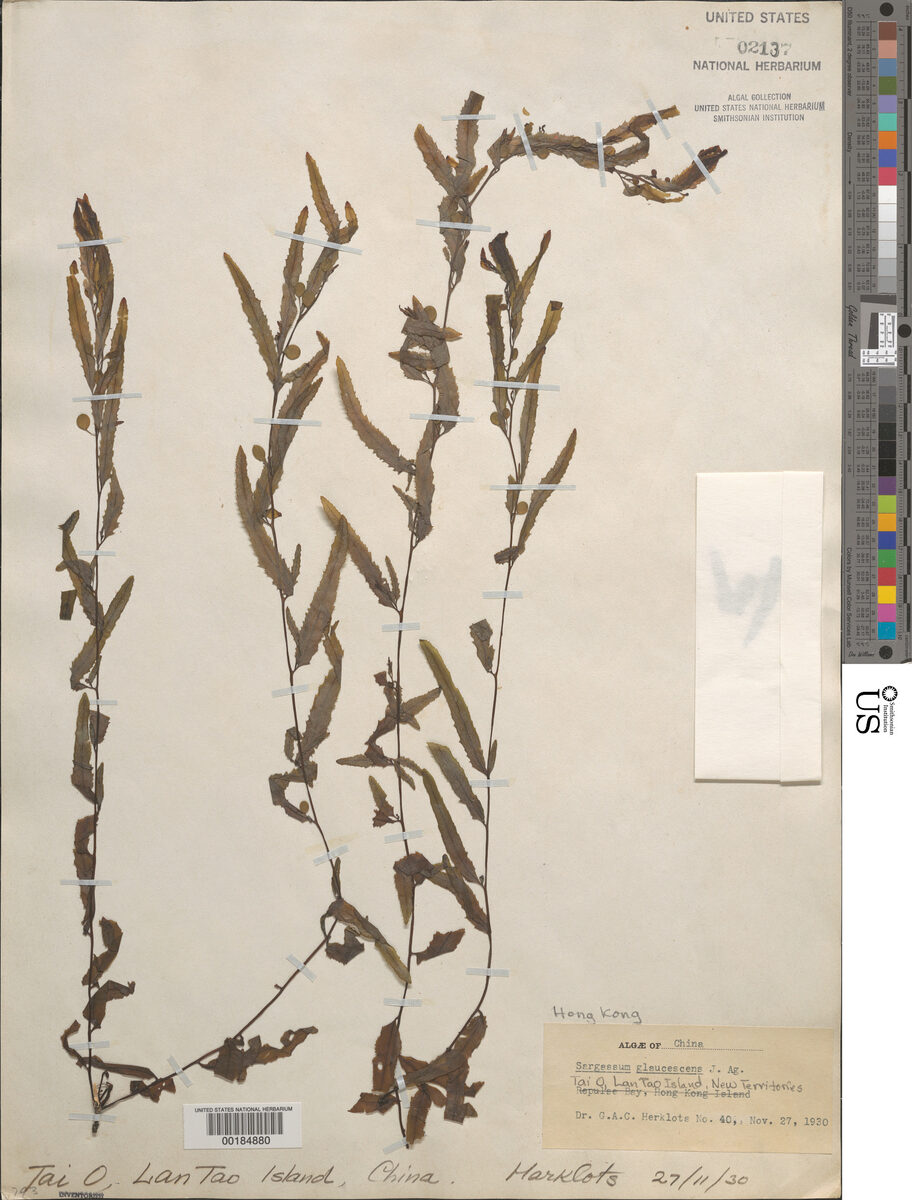
Sargassum fluitans
(Borgesen) Borgesen
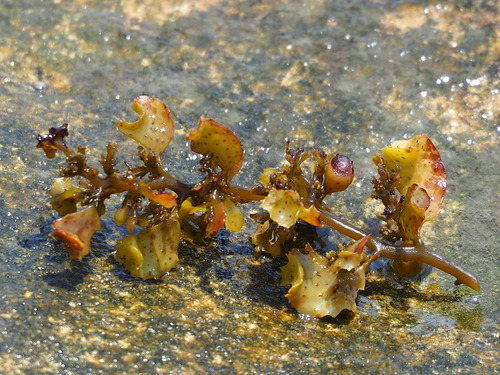
iNaturalist· cc-by
(c) Tyler Bishop, some rights reserved (CC BY), uploaded by Tyler Bishop
iNaturalist· cc-by-nc
(c) Andrea Boullosa, some rights reserved (CC BY-NC)
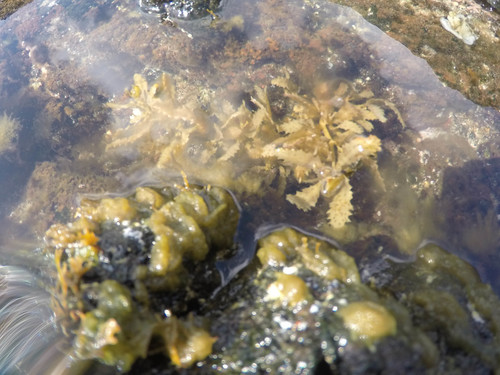
iNaturalist· cc-by-nc
(c) Nick Moore, some rights reserved (CC BY-NC)
Description
A tropical seaweed in the Sargassaceae family.
This description is brief — help expand it
Edible Uses
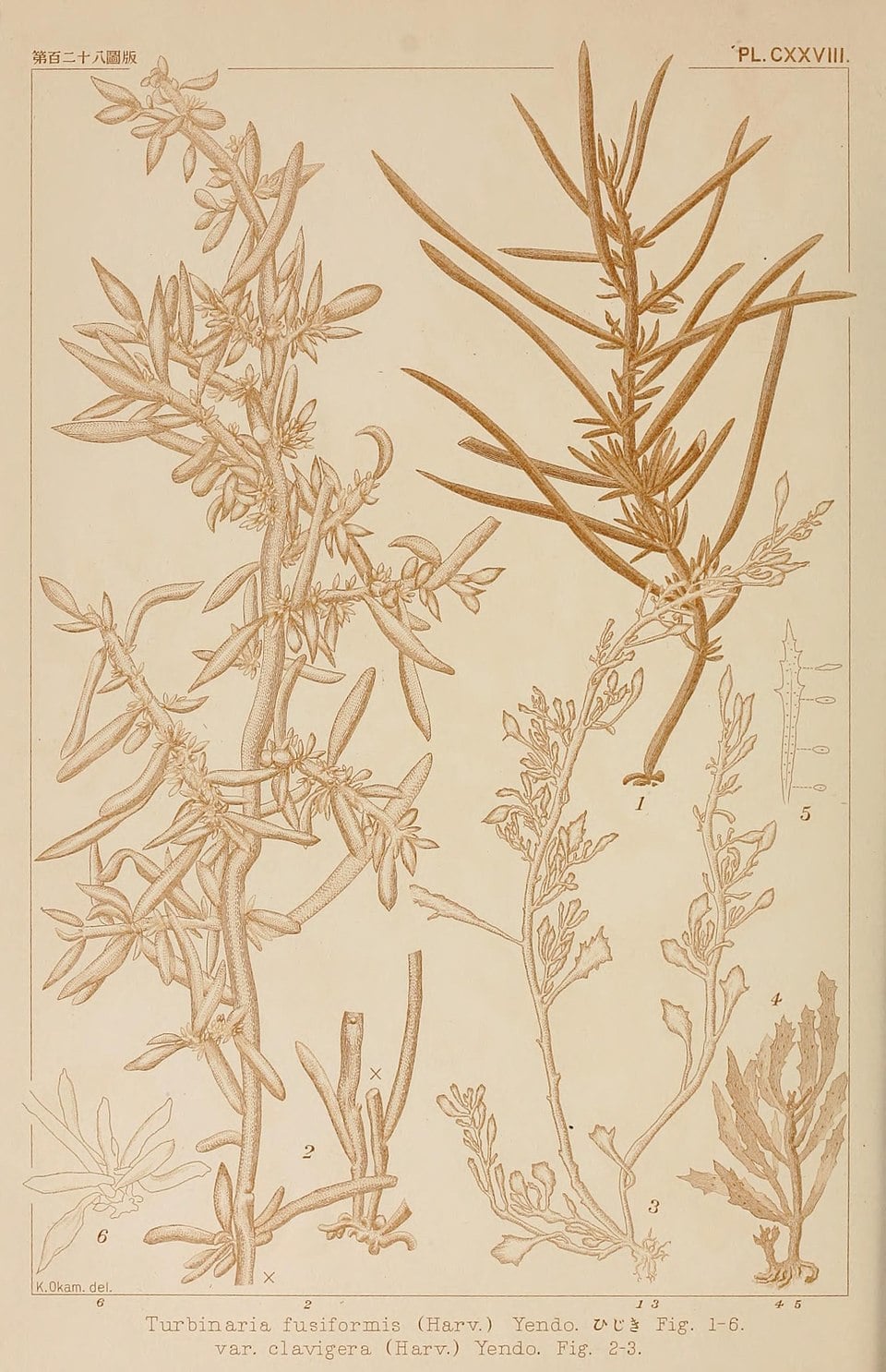
Japanese cuisine as well as Chile have traditionally consumed Sargassum, known as hijiki, although it contains high amounts of arsenic, part of the arsenic cycle from groundwater, waterways, into oceans and back to land. There are methods to process and greatly reduce arsenic from this genus of seaweed, potentially making it a nearly inexhaustible food supply for animals or people. Sargassum species are cultivated and cleaned for use as an herbal remedy. Many Chinese herbalists prescribe powdered Sargassum—either the species S. pallidum, or more rarely, hijiki, S. fusiforme—in doses of 0.5 grams dissolved in warm water and drunk as a tea. It is called 海藻; hǎizǎo in traditional Chinese medicine, where it is used to resolve "heat phlegm". Sargassum (F. Sargassaceae) is an important seaweed excessively distributed in tropical and subtropical regions. Different species of Sargassum have folk applications in human nutrition and are considered a rich source of vitamins, carotenoids, proteins, and minerals. Many bioactive chemical compounds that are classified as terpenoids, sterols, sulfated polysaccharides, polyphenols, sargaquinoic acids, sargachromanol, and pheophytin were isolated from different Sargassum species. These isolated compounds and/or extracts exhibit diverse biological activities, including analgesic, anti-inflammatory, antioxidant, neuroprotective, anti-microbial, anti-tumor, fibrinolytic, immune-modulatory, anticoagulant, hepatoprotective, and anti-viral activities.
Traditional Uses
It is boiled for a few minutes then eaten or added to other foods.
This uses section is brief — help expand it
Distribution
It is a tropical plant.
Where It Grows
Atlantic, North America, USA, West Indies,