Volvopluteus earlei
(Murrill) Vizzini, Contu & Justo
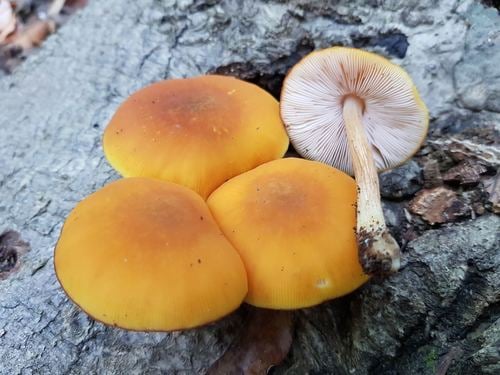
iNaturalist· cc-by
(c) Davide Puddu, some rights reserved (CC BY), uploaded by Davide Puddu
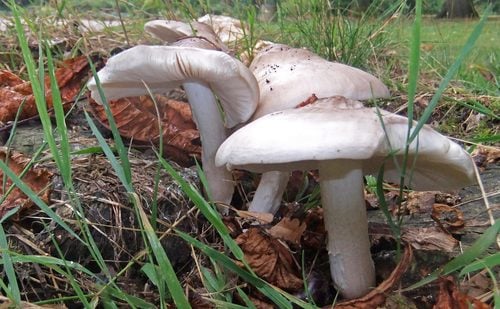
iNaturalist· cc-by
(c) Teodoro Chivatá Bedoya, some rights reserved (CC BY)
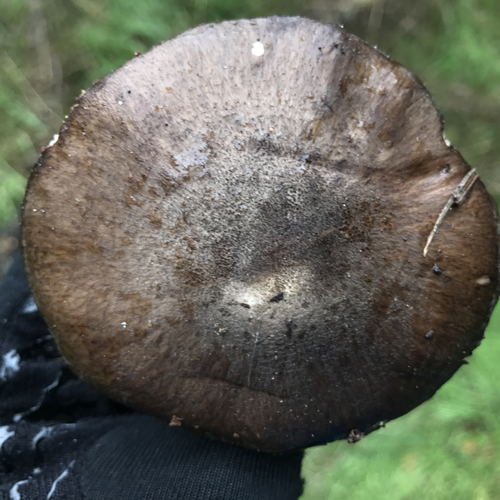
iNaturalist· cc-by
(c) Teodoro Chivatá Bedoya, some rights reserved (CC BY)
Summary
Source: WikipediaVolvopluteus earlei is a species of mushroom in the family Pluteaceae. It was originally described in 1911 by American mycologist William Alphonso Murrill as Volvariopsis earlei, based on collections made in a Cuban banana field. The fungus was later shuffled to the genera Volvaria and Volvariella before molecular studies placed it in Volvopluteus, a genus newly described in 2011. The cap of Volvopluteus earlei is typically between 2.5–5 cm (1–2 in) in diameter, white, and is markedly viscid when fresh. The gills start out as white but they soon turn pink. The stipe is white and measures 5 cm (2 in) long and 1 cm (0.4 in) wide. It has a smooth, white, sac-like volva at its base. The cap produces a pinkish-brown spore print made of individual elliptical spores measuring up to 11 micrometers long. A saprotrophic fungus that grows on grassy fields, V. earlei has been reported from Africa, Europe, and North America. Microscopic features and DNA sequence data are of great importance for separating this taxon from related species. V. earlei can be distinguished from the three other Volvariella by differences in the size of the fruit bodies, cap color, spore size, and the presence or absence and form of cystidia.
Description
Volvopluteus earlei is a tropical mushroom in the family Pluteaceae.
This description is brief — help expand it
Edible Uses
The mushroom fruiting body is edible.
Distribution
It is a tropical plant.
Where It Grows
Africa, Benin, Central Africa, Congo DR, Mali, West Africa,
Synonyms
References (1)
- efta-online.org, Edible Fungi of Tropical Africa, Jardin botanique Meise