Eupatorium capillifolium
(Lam.) Small ex Porter & Britton
iNaturalist· cc-by-nc-sa
(c) Tony Rodd, some rights reserved (CC BY-NC-SA)
iNaturalist· cc-by-nc
(c) Suzanne Cadwell, some rights reserved (CC BY-NC)
iNaturalist· cc-by-sa
(c) Leonora (Ellie) Enking, some rights reserved (CC BY-SA)
Summary
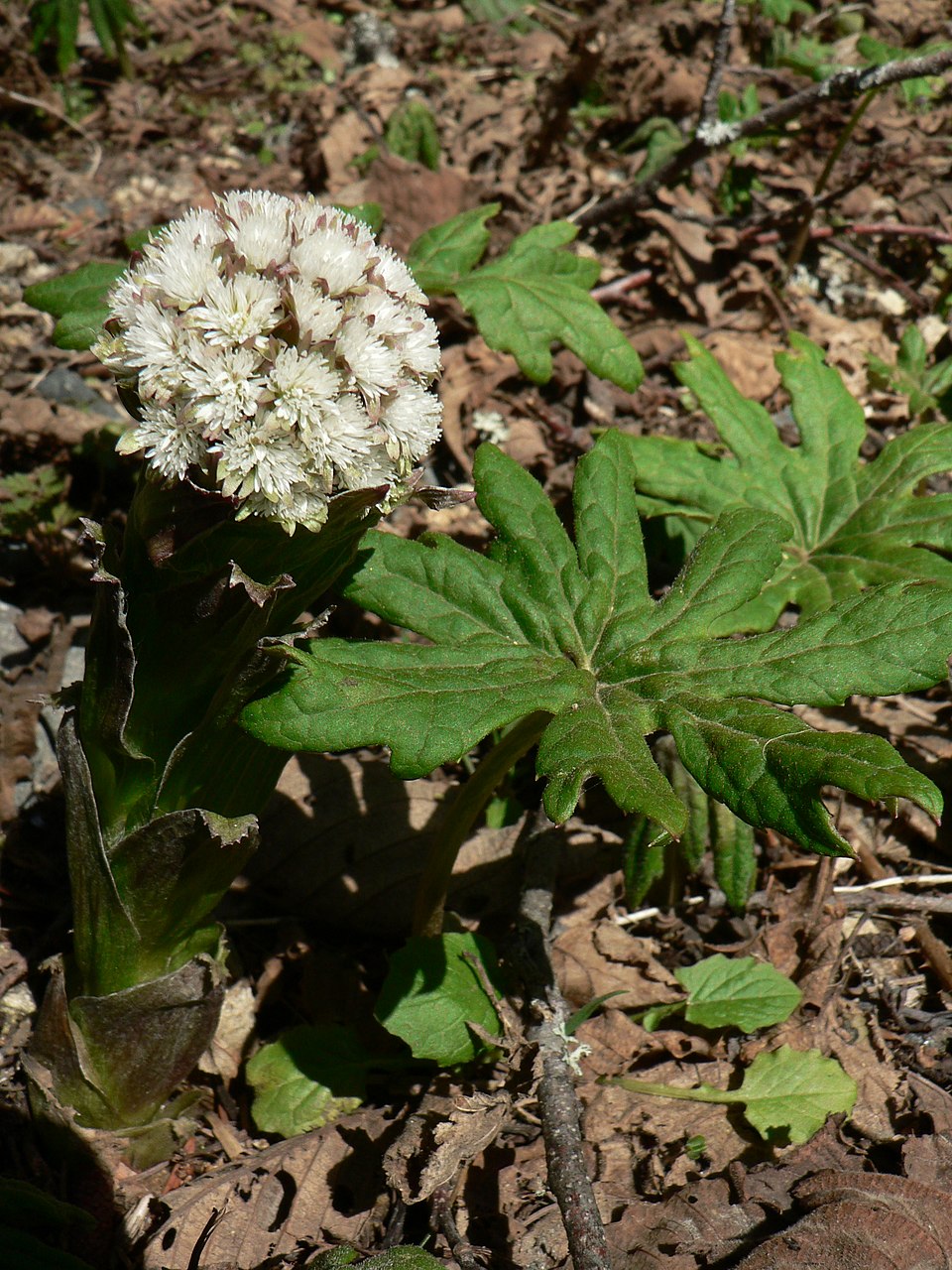
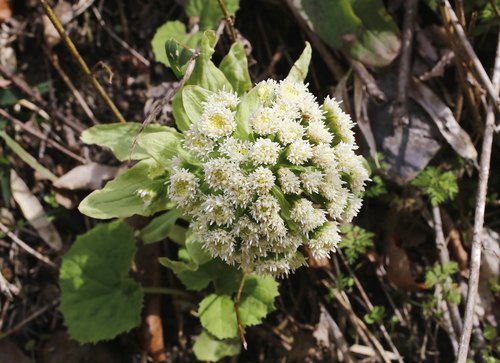
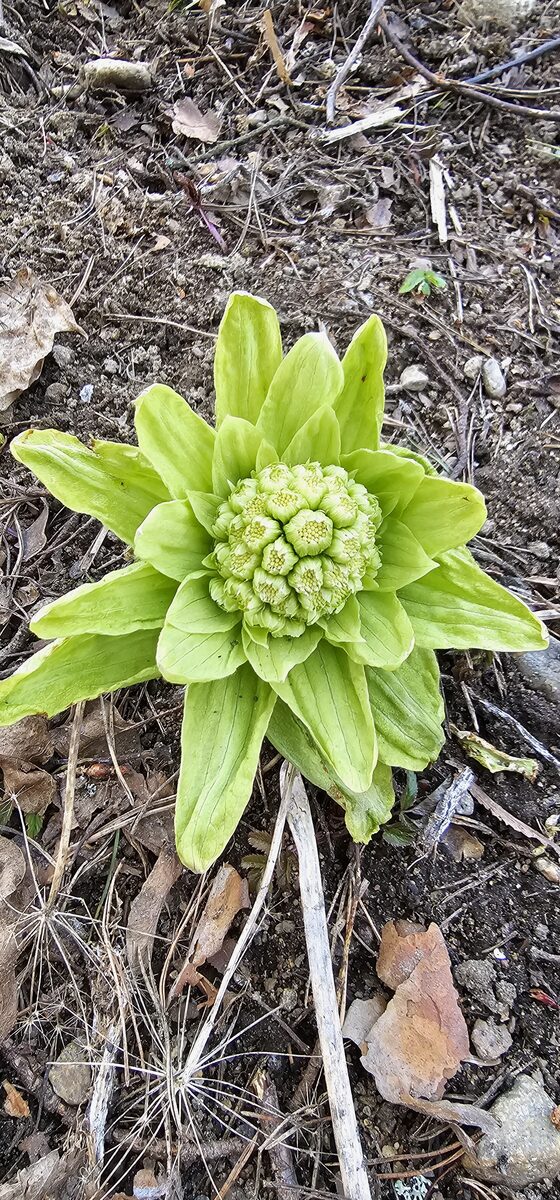
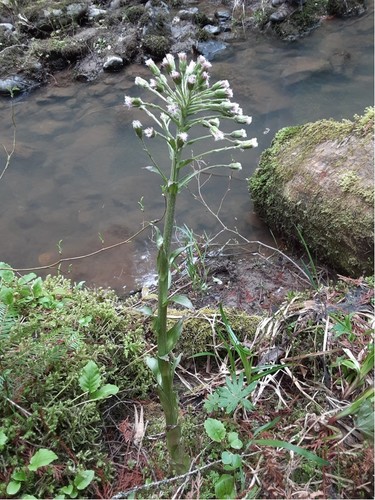
Source: WikipediaEupatorium capillifolium, or dog fennel (also written "dogfennel"), is a North American perennial herbaceous plant in the family Asteraceae, native to the eastern and south-central United States. It is generally between 50 cm and 2 meters tall with several stems that fork from a substantial base. The stems and base are covered in leaves so dissected that they resemble branching green threads coming out of the stem in fractal patterns. When crushed, the leaves have a sour odor similar to dill pickles. The flowers have a subtle floral odor.
Description
A perennial herb reaching 3 meters tall with fine, thread-like foliage. Hermaphrodite flowers attract insects for pollination and the plant is self-fertile. Grows in light sandy, medium loamy, or heavy clay soils with good drainage. Tolerates mildly acidic to mildly alkaline soil pH. Prefers moist conditions and can thrive in semi-shaded woodland settings or full sun.
Edible Uses
None known
Medicinal Uses
The entire plant is applied externally as a remedy for the bites of reptiles and insects.
Known Hazards
Dog fennel contains pyrrolizidine alkaloids which can cause liver failure.
Distribution
It is a tropical plant.
Where It Grows
Asia, Indochina, Laos, SE Asia,
Propagation
Sow seed in spring in a cold frame, barely covering it. Prick seedlings out into individual pots when large enough to handle and plant out into permanent positions during summer. Division in spring or autumn is very easy — clumps can be replanted directly into permanent positions.
Other Uses
The plant is used as a strewing herb and to discourage insects.
Synonyms
Also Known As
Suv ntsim
References (1)
- Whitney, C. W., et al, 2014, Conservation and Ethnobotanical Knowledge of a Hmong Community in Long Lan, Luang Prabang, Lao People’s Democratic Republic. Ethnobotany Research and Applications 12:643-658