Maesa lanceolata var. rufescens
(A. DC.) Taton
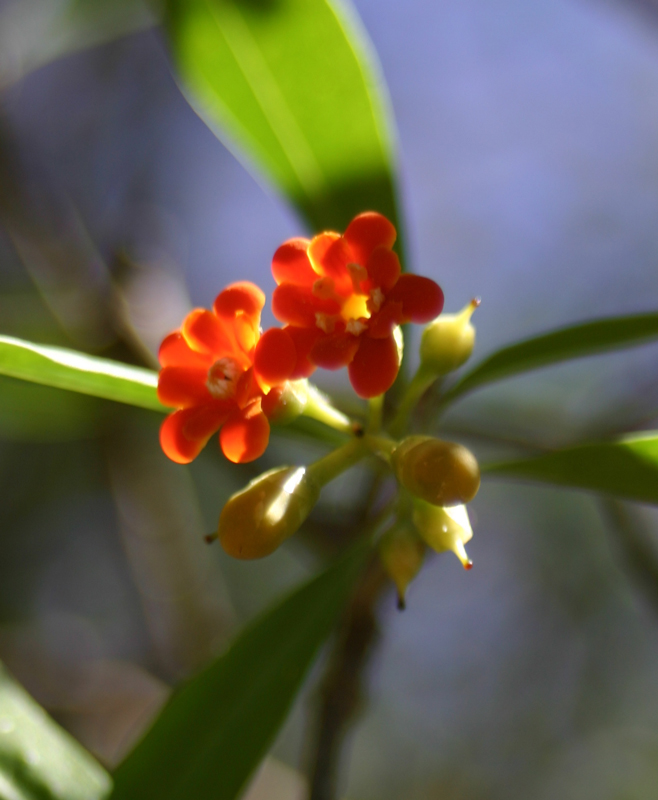
iNaturalist· cc-by-nc
(c) kenbehrens, some rights reserved (CC BY-NC)
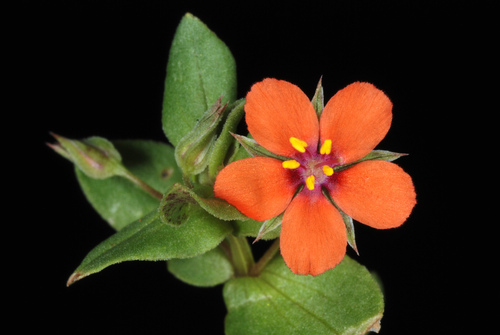
iNaturalist· cc-by-nc
(c) Kate Braun, some rights reserved (CC BY-NC), uploaded by Kate Braun
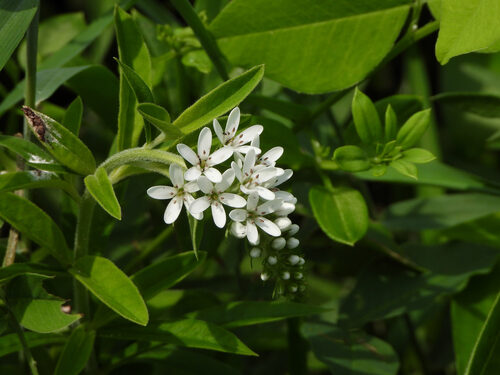
iNaturalist· cc-by-nc
(c) Kate Braun, some rights reserved (CC BY-NC), uploaded by Kate Braun
Summary
Source: WikipediaMaesa lanceolata, or the false assegai, is a tree species that is widespread in the Afrotropics, including Madagascar. It occurs from the southern Arabian Peninsula to the Eastern Cape of South Africa. It grows on stream verges, river banks and forest verges, where it is often a pioneer plant.
Description
A shrub or small tree. It grows 2-10 m tall. It can be climbing. The leaves are oval and 5-22 cm long by 2-12 cm wide. The leaves are softly hairy underneath. The flowers are small and creamy-white. They are in branched heads 10 cm long. The fruit is small, round, white and fleshy.
Edible Uses
Young leaves are cooked and eaten as a vegetable. The fruit is also edible.
Traditional Uses
Young leaves are cooked and eaten as a vegetable.
This uses section is brief — help expand it
Known Hazards
Though considered toxic to human the extracts of Maesa lanceolata have been used in different communities to treat various ailments. In East Africa root and fruit extracts are used by native healers in decoctions to treat cholera disease, tapeworm and sore throat.
Distribution
It is a tropical plant. It grows in forests near rivers.
Where It Grows
Africa, Central Africa, Congo DR, Madagascar, South Africa, Southern Africa,
Cultivation
Plants are grown from seeds. The fruit are dried and crushed to release the seeds and then sown. They are best put in a nursery and later transplanted.
Production
It grows quickly.
Notes
They are also put in the family Myrsinaceae.
Synonyms
References (1)
- Latham, P & Mbuta, A., 2017, Useful Plants of Central Province, Democratic Republic of Congo. Volume 2. Salvation Army p 6